
NEW YORK, Jan 3, 2026, 07:06 ET — Market closed
U.S. forces struck Venezuela overnight and captured President Nicolas Maduro, President Donald Trump said on Saturday, setting up a volatile open for U.S. energy stocks when Wall Street returns on Monday. MST Marquee analyst Saul Kavonic said oil prices were “likely to jump on the near-term risk to supply.” Reuters
Energy shares tend to move with crude because oil and gas prices drive producer cash flow and, in turn, dividends and buybacks. Geopolitical shocks often add a “risk premium” — extra dollars per barrel traders pay to hedge the chance of disrupted supply.
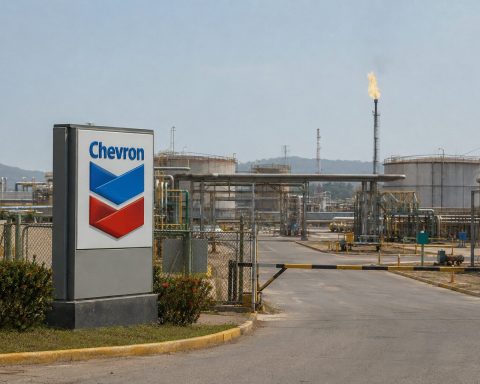
The strike hits a market where Venezuela’s barrels were already constrained: U.S. sanctions and tanker seizures have halved the country’s normal oil export rate, Reuters reported on Friday, while Chevron has continued exporting Venezuelan oil under a U.S. license.
For now, early signs point to limited immediate damage to oil infrastructure. Venezuela’s state-run PDVSA was running production and refining normally on Saturday and its most important facilities showed no damage in an initial assessment, two sources familiar with operations said.
Before the strike headlines, oil ended the week little changed: Brent settled down 10 cents at $60.75 a barrel on Friday, while U.S. West Texas Intermediate (WTI) — the main U.S. crude benchmark — eased 10 cents to $57.32. OPEC+, the producer group that includes OPEC and allies, is due to meet on Sunday and traders widely expect it to keep pausing output increases in the first quarter, Reuters reported.
U.S. energy names closed higher on Friday: Exxon Mobil rose 1.9% to $122.65, Chevron gained 2.3% to $155.90, ConocoPhillips added 3.3% to $96.70 and oilfield services firm SLB climbed 4.8% to $40.20.
The week ahead hinges on which narrative wins: immediate supply risk, or a political shift that ultimately adds barrels back to the market. Producers typically benefit first from higher crude, while refiners and fuel-sensitive industries can lag if oil spikes.
A key swing factor is policy, not just damage assessments. Venezuela’s government condemned what it described as U.S. military aggression and announced a national emergency, raising the risk of further actions that could affect logistics, shipping and investor sentiment.
Before the next session, traders will gauge how much risk premium shows up in crude when oil markets reopen, and whether the move holds into the first full trading week of 2026.
The next data point comes Wednesday, when the U.S. Energy Information Administration is scheduled to publish its Weekly Petroleum Status Report at 10:30 a.m. ET — a release that can move oil by resetting expectations for U.S. supply and demand. The agency says it will roll out a new information release system for the report on Jan. 7.
Macro news also matters for oil demand expectations. The U.S. jobs report is due Jan. 9 and the consumer price index is due Jan. 13, Reuters reported, events that can shift rate-cut bets and the dollar — and, indirectly, commodity prices.
On the company calendar, investors will soon pivot back to earnings and 2026 spending plans. SLB lists a fourth-quarter earnings call for Jan. 23, while ConocoPhillips schedules its fourth-quarter earnings conference call for Feb. 5, dates that often reset guidance and capital-return expectations across the sector.
For U.S. energy stocks, next week’s trade is likely to come down to whether Venezuela’s oil flows stay steady and whether Washington’s next steps expand from military action into measures that directly tighten or loosen crude supply.
Related articles: NYSE:CVX