
WASHINGTON, August 24, 2026, 17:39 EDT —
- Four significant foodborne outbreaks in the U.S. have resulted in 11,428 reported cases of illness, 519 hospitalizations, and two deaths.
- Iceberg lettuce accounts for 95.6% of these instances, indicating that the magnitude of outbreaks outweighs the number of recalls.
- On Monday, shares of four publicly traded retailers and restaurant chains with exposure rose by an average of 2.8%, contrasting with a 0.28% decline in the S&P 500.
Interest in food recalls is rising as four significant U.S. outbreaks have now led to 11,428 reported illnesses. Despite this, stocks for affected retail and restaurant companies climbed on Monday, indicating investors currently view the financial threat as limited.
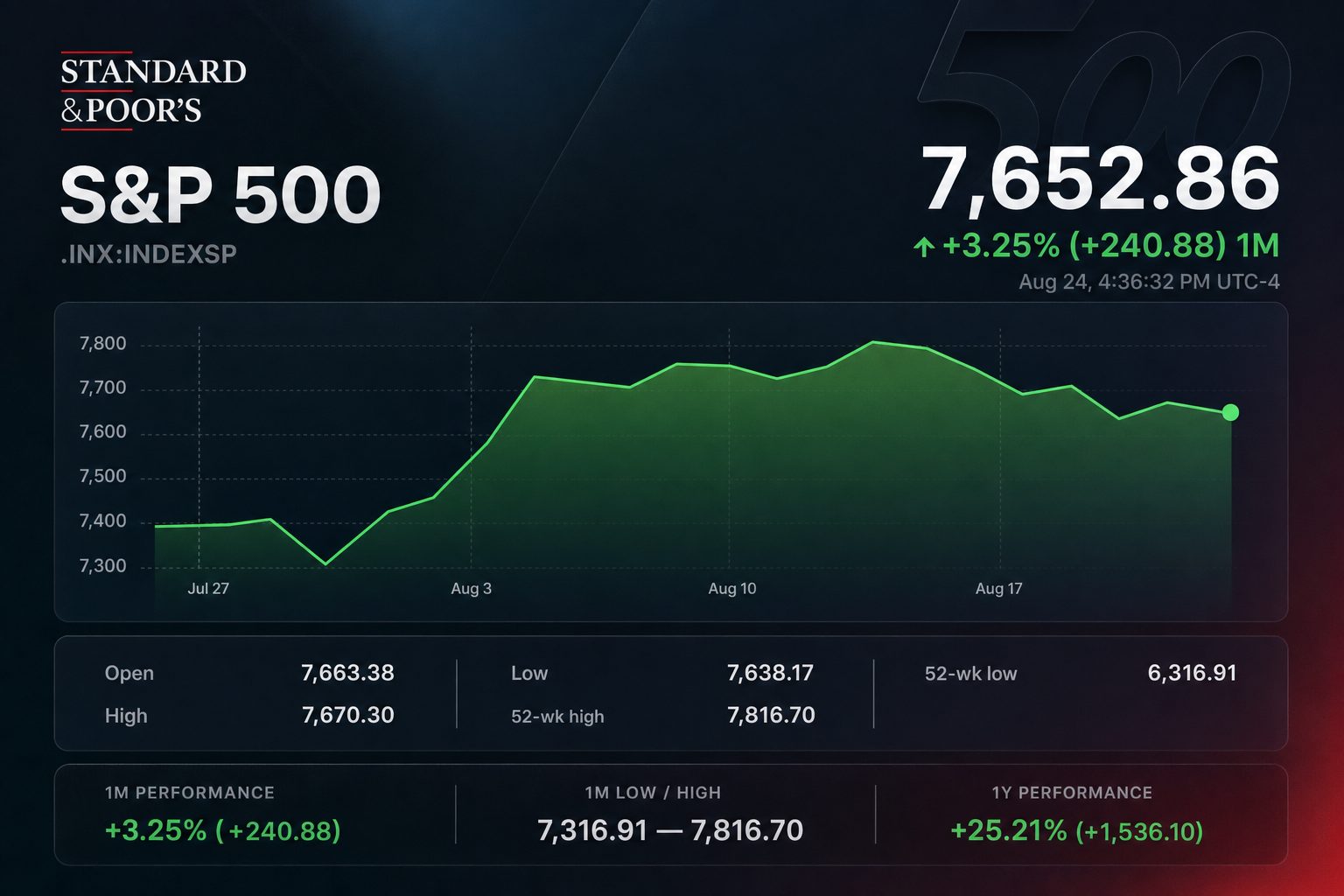
On Monday, equally weighted stocks of Walmart Inc. NASDAQ:WMT, Target Corporation NYSE:TGT, Chipotle Mexican Grill, Inc. NYSE:CMG and Yum! Brands, Inc. NYSE:YUM closed up 2.8%. In contrast, the S&P 500 dropped 0.28%, a difference of 3.1 percentage points.
The comparison does not indicate that recalls led to the gains. Instead, it shows the market did not add an extra penalty on Monday. Walmart ended at $106.49, Target at $169.89, Chipotle at $38.02 and Yum at $157.35.
The majority of reported cases stem from a single source. An outbreak of Cyclospora linked to iceberg lettuce has resulted in 10,930 people falling ill, 454 hospital admissions and two fatalities. According to the FDA, the recalled lettuce should not be on the market, though the probe is still ongoing.
| Outbreak | Reported illnesses | Hospitalizations | Deaths | Latest official update |
|---|---|---|---|---|
| Iceberg lettuce / Cyclospora | 10,930 | 454 | 2 | Aug. 20 |
| Jalapeños / Salmonella | 431 | 57 | 0 | Aug. 21 |
| Alfalfa sprouts / E. coli and Salmonella | 55 | 4 | 0 | Aug. 21 |
| Frozen blueberries / E. coli | 12 | 4 | 0 | July 29 recall expansion |
| Total | 11,428 | 519 | 2 | — |
The composition is significant for investors. Lettuce accounts for 95.6% of cases across the four outbreaks. As a result, near-term earnings risk hinges more on whether consumers steer clear of salads or restaurants in general, rather than the total recall notices issued.
The FDA traced the lettuce outbreak to Taylor Farms de Mexico. Recalled Marketside lettuce was distributed to certain Walmart locations, and some ill consumers also said they dined at Taco Bell, operated by Yum. Both retailers have since halted sale or use of the affected lettuce.
The jalapeño contamination incident involves a more extensive distribution network. The FDA reported 431 cases of illness in 32 states, with 57 people hospitalized. Implicated peppers were supplied to Chipotle and QDOBA, and related products ended up at Walmart, Target, Kroger and Whole Foods. The FDA stated that Chipotle changed suppliers at the impacted locations and no longer posed a continuing risk to consumers.
Recent jalapeño recalls impacted no fewer than 50 grocery products in Texas. Dolores Woods, nutrition supervisor at UTHealth Houston, stated that recall numbers were consistent with last year. “The difference is the scale,” she said. Texas Standard interview
Costs can shift rapidly with scale. A single ingredient may be used across prepared foods, private label products, restaurants and distribution hubs. Returns and disposed stock are often contained. However, replacing suppliers, carrying out cleaning procedures, conducting tests and losing customer visits may have prolonged effects.
Monday’s rally offers a new reference point. Walmart gained 2.69%, Target advanced 2.69%, Chipotle climbed 3.04% and Yum increased 2.85%. If subsequent declines are linked to traffic figures, wider recalls, or legal action, it would indicate a shift from the market’s prevailing perception of contained risk.
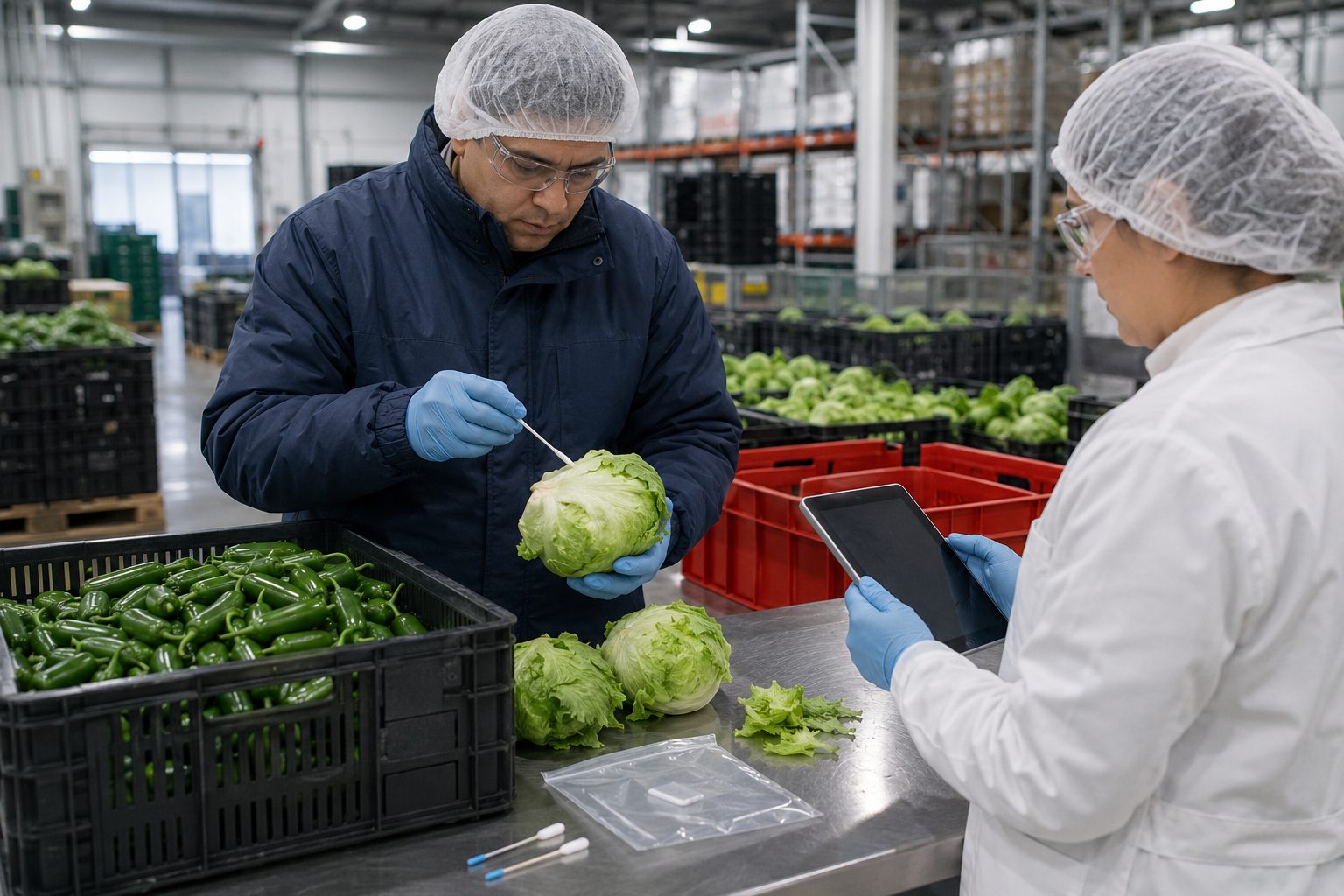
Latest federal developments continue to drive momentum. FDA launched inspections and sampling at Everything Sprouts on August 19. The jalapeño probe is ongoing, and the agency anticipates that downstream operators will determine additional recalls.
Risks: Cases of illness may increase weeks after items are removed from stores, and a shared supplier has the potential to increase the scale of impact. A prolonged drop in restaurant visits or sales of grocery private-label goods would put Monday’s favorable pricing to the test. Downside risks would be lessened by clear inspection outcomes and steady comparable sales.
Investors are advised to monitor upcoming FDA case-count updates, along with lists of suppliers and impacted stores. These details will indicate if the financial impact remains limited or extends beyond specific inventory losses.
Related articles: NYSE:TGT