
NEW YORK, May 2, 2026, 03:45 (EDT)
Data-storage hardware stocks made notable moves as the week wrapped. Seagate rallied 7.9% in U.S. trading, Sandisk notched up 8.3%, but Western Digital edged down 0.6%, paring gains after a strong advance. The action pushed a usually overlooked tech segment—companies handling AI’s data—back into focus.
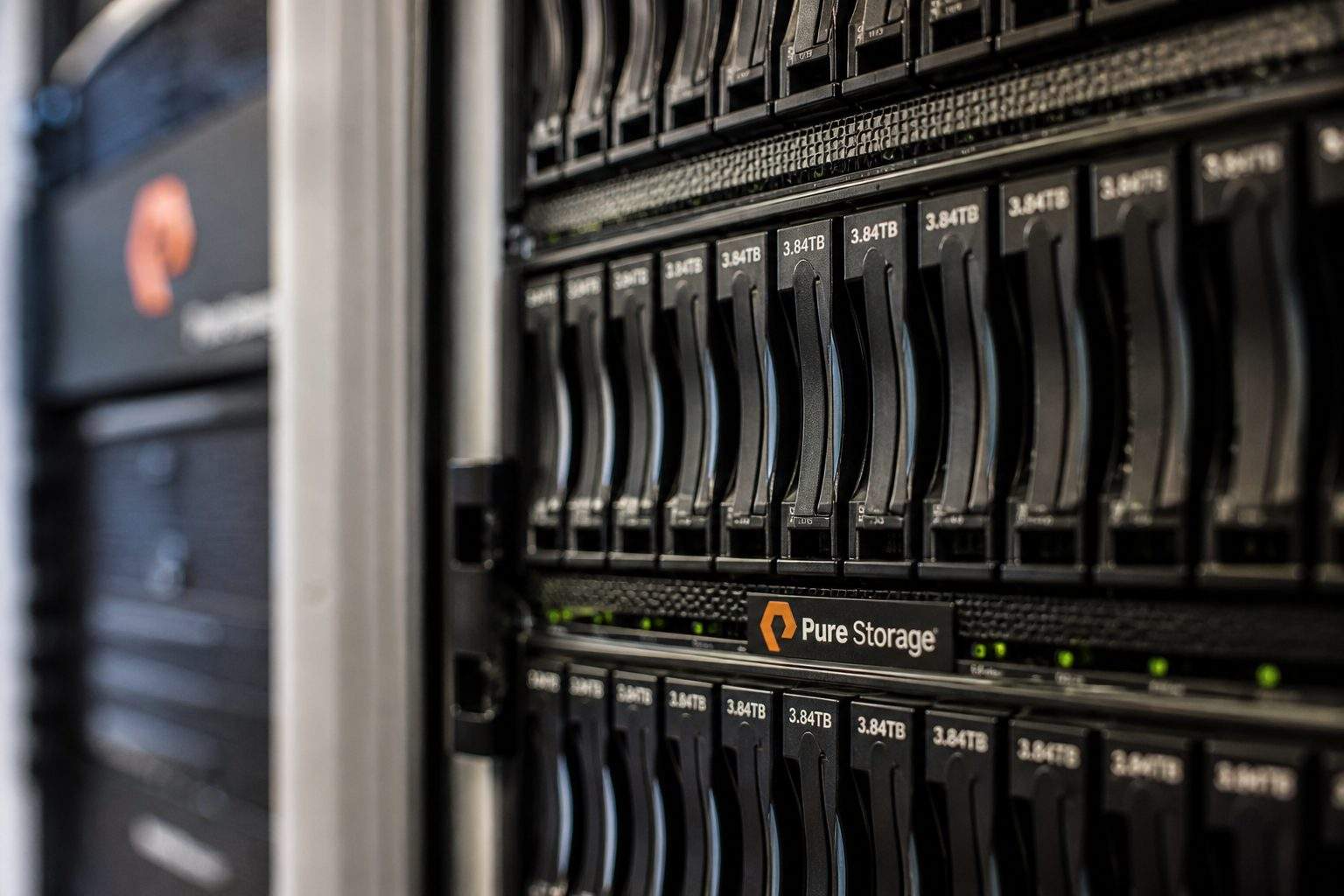
The focus isn’t just on chips and cloud spend anymore. Storage companies are tossing out numbers that suggest AI’s appetite now extends deeper, right into hard drives and flash. That means the hardware actually holding data—files, code, video, customer info for AI models—is getting swept up, too.
That shifts storage into focus: a gauge for whether AI buzz is turning into real demand beyond just Nvidia’s processors. Inference—essentially running an AI model to churn out outputs, answers, or code—generates huge piles of data that have to be stored and retrieved. Suddenly, drive makers find themselves woven into the AI supply chain, a role that wasn’t clear from the outset.
Sandisk surged to fiscal third-quarter revenue of $5.95 billion, up a staggering 251% from a year ago. The Datacenter business exploded, climbing 645% year-over-year. Looking ahead, the company’s fourth-quarter outlook calls for revenue between $7.75 billion and $8.25 billion, and non-GAAP diluted net income per share is projected at $30 to $33. CEO David Goeckeler called the period “a fundamental inflection point.” Sandisk Corporation
The company’s goal: take some volatility out of the cycle. Sandisk has already secured five long-term supply contracts, Goeckeler told Reuters. Three of those alone total $42 billion. “We want consistent, predictable economics,” he said. The memory chip market, notorious for erratic pricing when supply catches up with demand, has long struggled with sharp swings. Reuters
Western Digital—following the Sandisk spinoff and a firm pivot to hard disk drives—reported $3.34 billion in revenue, up 45% from a year ago. For its fiscal Q4, the company expects revenue to come in at roughly $3.65 billion, midpoint. CEO Irving Tan summed it up: “Virtually every AI workload” creates data that ultimately gets stored on HDDs. Western Digital
Western Digital projected revenue ahead of the $3.46 billion analyst consensus from LSEG, Reuters reported. Shares had more than doubled this year by Thursday’s close, so the market’s mood was clearly bullish even before the new guidance.
Seagate kicked off the week, reporting $3.11 billion for its fiscal third quarter and looking ahead to about $3.45 billion in revenue next quarter, plus or minus $100 million. CEO Dave Mosley described this as “a new era of structural growth,” crediting AI-fueled data creation as the main engine. investors.seagate.com
Big Tech once again powered ahead, keeping its grip on the broader market. Both the S&P 500 and Nasdaq closed out Friday with new all-time highs, driven by upbeat tech momentum and a stream of corporate earnings. This week, results rolled in from five of the Magnificent Seven names tied to AI. Elsewhere, storage stocks are getting more attention, homing in on the real-world bottlenecks facing AI infrastructure.
But here’s the wrinkle: just posting strong results doesn’t seem to be enough anymore. Michael Ashley Schulman at Cerity Partners said the outlooks from Western Digital and Sandisk didn’t deliver the kind of “wow factor” investors wanted—and that took a toll. Both names slid after hours, upbeat guidance or not. Investing.com
Storage has caught a piece of the AI rally, no question. The story now: AI-driven demand is digging down into the stack’s guts. Once viewed as slow-moving and chained to cyclicality, these firms are suddenly under the microscope for capacity, pricing muscle, and just how long the data flood lasts.
Related articles: NASDAQ:WDC