
New York, Jan 7, 2026, 11:12 EST — Regular session
- Frontline shares rise with a broad rally in tanker stocks in U.S. trading
- Investors focus on freight-rate upside as sanctions and enforcement snarl oil flows
- Next major catalyst: Frontline’s Feb. 27 quarterly report and call
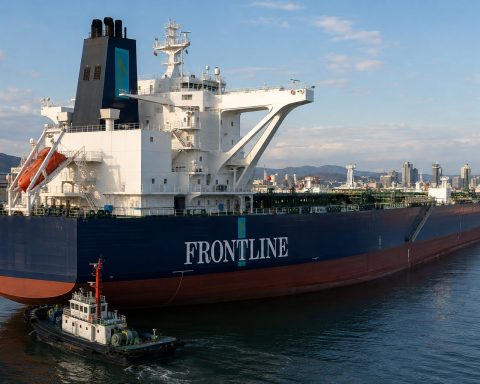
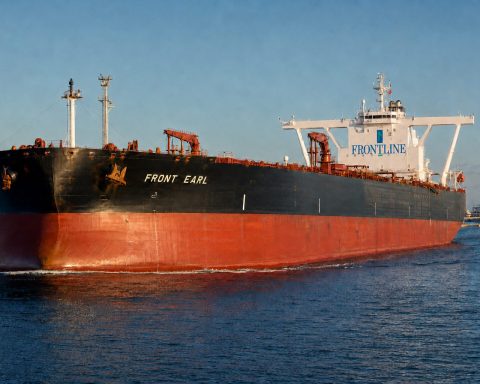
Frontline plc (FRO.N) shares rose about 7.7% to $23.27 by 11:12 a.m. EST on Wednesday, after swinging between $21.69 and $23.48 in early trading.
The move came as traders leaned into crude-tanker names after the United States said it had seized a Venezuela-linked tanker that had been reflagged under Russia, part of a wider effort to choke off sanctioned oil movements. Crackdowns like that can squeeze the pool of “clean” ships available for mainstream cargoes, a setup that can lift spot freight rates quickly. Reuters
Venezuela was loading crude only for Chevron on Tuesday while PDVSA’s loadings for China-linked buyers stayed largely on hold, shipping data and internal documents showed. Some vessels that had loaded Venezuelan crude left in “dark mode” — with transponders switched off — underscoring the disruption to flows that can lengthen voyages and tighten tonnage. Reuters
Peers moved in step. DHT Holdings rose about 7.0%, International Seaways gained roughly 7.5%, Teekay Tankers added about 8.6% and Scorpio Tankers rose about 5.9%.
Freight has been the market’s pressure point for weeks. In December, Reuters reported daily VLCC rates around $130,000 a day, helped by high demand and fewer available vessels as sanctions widened; “It’s a very strong market now,” said Jan Rindbo, chief executive of Danish shipping group Norden. Jefferies analyst Omar Nokta also projected VLCC fleet utilisation rising in 2026, while Frontline CEO Lars Barstad said nearly 44% of the global VLCC fleet was older than 15 years — an age where many oil majors limit use. Reuters
Oil itself fell on Wednesday after President Donald Trump said Venezuela would send 30 million to 50 million barrels of crude to the United States, stoking oversupply worries. Brent slipped to about $60 a barrel and U.S. WTI to roughly $56, with traders also watching official U.S. inventory data due later in the day.
Some analysts also cautioned that a shift in Venezuelan barrels toward the U.S. Gulf Coast could reshuffle tonne-miles — the distance oil travels — which matters as much as volume for tanker demand. A Braemar note published on Wednesday argued the next phase of Venezuelan crude trade could favour Aframax tankers and compliant vessels over “shadow” ships. Breakwave Advisors
But the bet cuts both ways. If enforcement eases, if routes shorten, or if a wave of new deliveries later this year loosens supply, freight rates can cool fast — and tanker earnings tend to follow.