
London, April 24, 2026, 08:22 BST
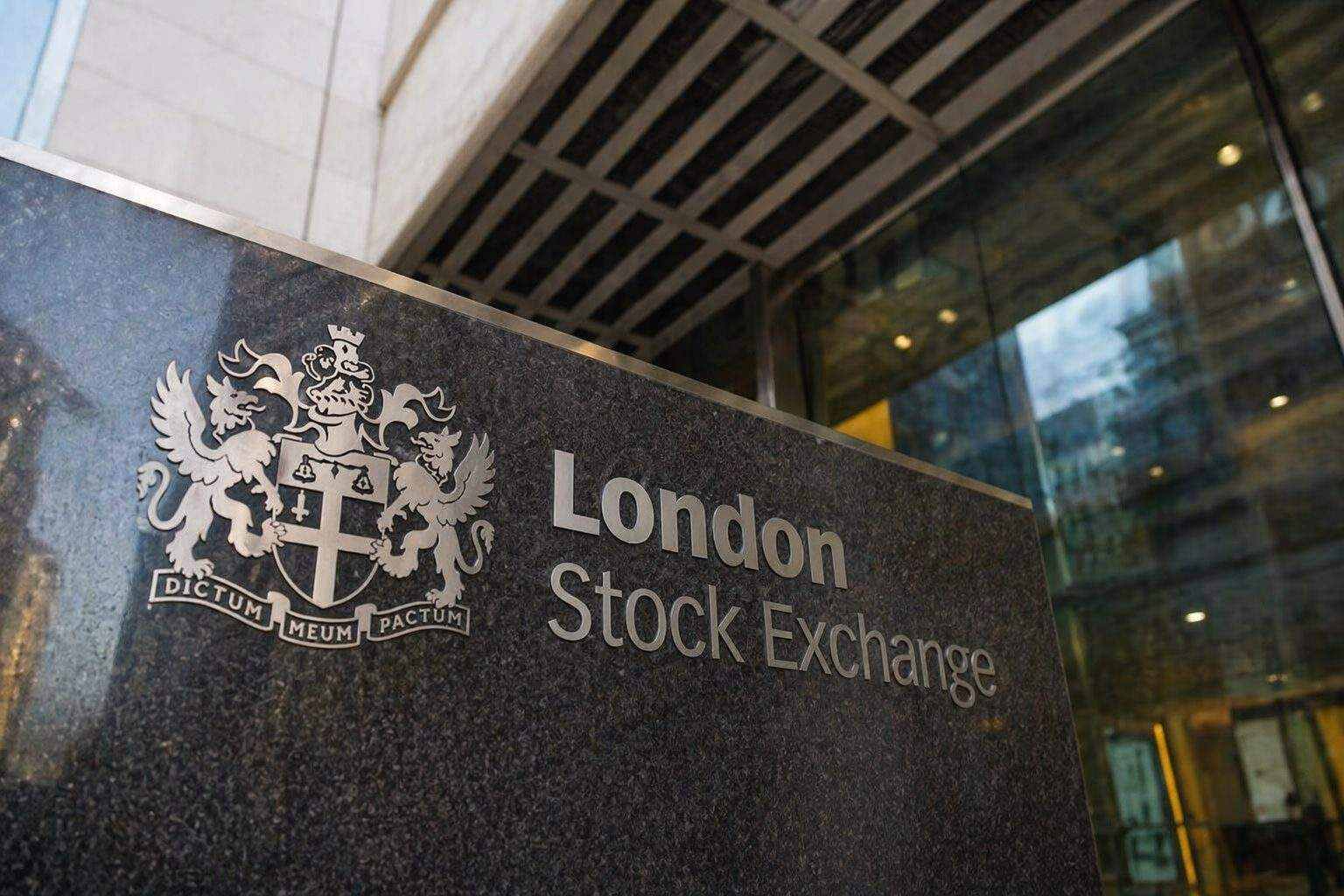
- FTSE 100 edged down 0.35% at the start of London trading, with delayed data putting the index at 10,419.95.
- Brent crude held above $105 a barrel as tensions between the U.S. and Iran persisted, keeping pressure on global markets.
- UK retail sales posted a modest gain in March, driven largely by more fuel buying, not a broader rise in consumer demand.
London’s FTSE 100 dropped 37.06 points, or 0.35%, ending the day at 10,419.95, pressured by rising oil prices and a new U.S. tariff threat. Ongoing inflation worries in the UK didn’t help matters, either, according to Hargreaves Lansdown data.
The timing is notable. The blue-chip index had already logged four straight days in the red. On Thursday, the FTSE 100 slipped 0.2%, according to Reuters, while the FTSE 250 fell 0.9%. Both indexes moved lower as traders scaled back bets on renewed U.S.-Iran peace talks.
Oil isn’t the only thing feeling pressure right now. Donald Trump has threatened Britain with a “big tariff” if the country keeps enforcing its 2% digital services tax on leading U.S. tech companies, Reuters reports. The warning comes with energy markets already unsettled. Reuters
European stock futures signaled a weaker start before London trading got underway. FTSE futures dropped 0.76%, while EURO STOXX 50 futures lost 0.7%. DAX futures nudged down 0.25%, Reuters reported, as global shares swung back and forth.
Oil prices struggled, even as Brent crude moved up 0.55% to $105.65 a barrel, and U.S. crude ticked 0.25% higher to $96.09. Ongoing uncertainty at the Strait of Hormuz—a key artery for global oil—left traders wary of sudden supply disruptions and pushed inflation worries higher.
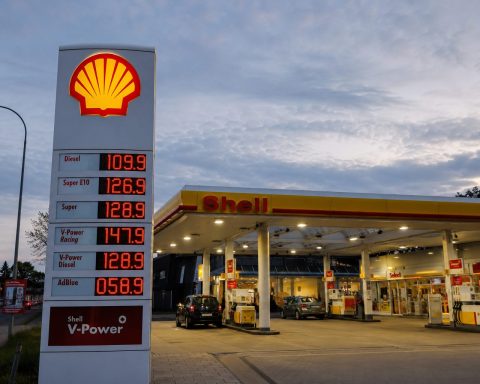
BP climbed 1.42% and Shell picked up 1.05% during early delayed action, giving energy shares a lift. Mondi tumbled 5.44%. Rolls-Royce slipped 1.86%, Fresnillo off 2.51%.
Mondi landed at the bottom of the pack. The packaging group’s underlying EBITDA slid 27%, down to 212 million euros for the first quarter. Chief Executive Andrew King cited “cost pressures linked to escalating geopolitical tensions” as the culprit behind the dip in profits. London South East
Banks were under pressure too. Barclays shed 1.04%, Lloyds matched that decline, HSBC slipped 0.61%, and NatWest lost 0.79%, according to Hargreaves Lansdown data. On Thursday, Barclays and HSBC ranked among the biggest drags on the FTSE 100, Reuters said.
UK retail data landed without much to cheer about. The Office for National Statistics logged a 0.7% uptick in sales volumes for March, after February’s figure was revised to show a 0.6% slide. That gain, though, was mostly thanks to a fuel sales spike as motorists reacted to climbing prices. Exclude automotive fuel, and sales growth shrinks to just 0.2%.
Thomas Pugh, chief UK economist at RSM, pointed to weaker consumer confidence in April and cautioned that retailers might face a “much tougher outlook” if the crisis drags on. Sainsbury’s and Tesco shares saw some early gains, but both grocery chains have already sounded the alarm over shopper uncertainty as the Iran conflict keeps weighing on sentiment across the sector. Reuters
The rate question is back on traders’ minds. According to Reuters, markets are now pricing in a 70% probability that the Bank of England raises rates in June—up sharply from 40% just a week ago. The shift tracks recent gains in energy prices and a fresh bout of inflation nerves. Higher rates tend to weigh on equities by making borrowing more expensive and luring capital into bonds and cash.
Vishnu Varathan, Mizuho’s APAC macro strategy head, didn’t mince words: oil and volatility aren’t set for a gentle, linear retreat. Jane Foley at Rabobank backed that up, pointing out that higher energy prices spell “demand destruction”—expect both households and firms to pull back spending as fuel and power bills jump. Reuters
This is a two-edged sword. Goldman Sachs notes Gulf oil output could bounce back within months if the Strait of Hormuz reopens. But for now, about 14.5 million barrels a day of Gulf crude were sidelined in April, the bank estimates. Progress at the negotiating table could drag oil prices down, undercutting the FTSE’s energy boost. On the flipside, persistent supply disruptions risk pushing inflation and rates higher—more strain for London shares.