
EVIAN-LES-BAINS, France, June 17, 2026, 14:45 CEST
- Anthropic’s move to block its top AI models for users outside the U.S. has put the issue of advanced AI model access on the table at the G7.
- Investors are putting money into AI, but they have tougher questions this time on cash burn, security, and infrastructure.
- China is trying to push more capital toward local AI companies and other “future industry” groups while U.S.-China tech controls stay up in the air.
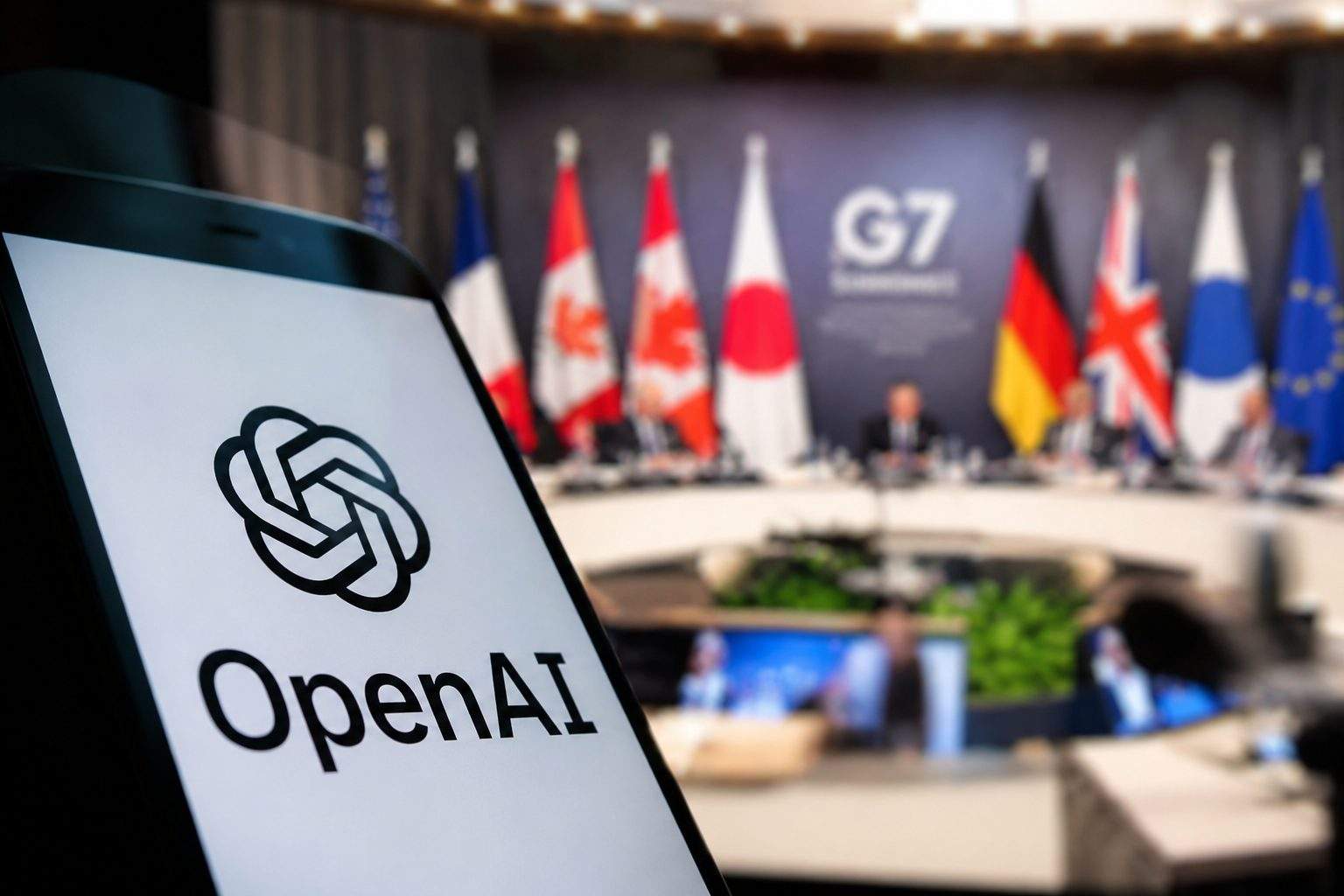
G7 leaders have talked about a proposal to let certain “trusted partners” access top U.S. artificial intelligence models, three diplomatic sources told Reuters. This comes after the U.S. directed Anthropic to restrict foreign nationals from its strongest AI systems. The issue has now landed at the center of allied security and industrial policy talks. AI models are software systems that generate text, code, or other output. Reuters
AI access is getting treated more as critical infrastructure than just another cloud contract, as governments and companies shift their approach. Europe’s heavy reliance on U.S. cloud, chips and leading AI labs was the main topic at VivaTech in Paris and the G7 in Evian. “Tech sovereignty will be top of mind this week at VivaTech,” Ana Paula Assis, senior vice president at IBM, told Reuters. Reuters
Worries got stronger after Anthropic pulled its Fable 5 and Mythos 5 models to follow a Trump administration order. AP said OpenAI CEO Sam Altman, Google DeepMind CEO Demis Hassabis, and Anthropic CEO Dario Amodei were all expected at a G7 lunch meeting, with Cohere, Mistral, Black Forest Labs, Domyn, Sakana AI, and Synthesia leaders also set to attend.
OpenAI lost $3.7 billion in the first quarter while bringing in $5.7 billion in revenue, The Information reported Monday, citing shareholder docs. Reuters said it couldn’t verify the numbers. This month, OpenAI said it made a confidential U.S. IPO filing. One source told Reuters the IPO could happen as soon as September, valuing OpenAI as high as $1 trillion.
Deals kept coming. SpaceX is set to buy Anysphere, the company behind the AI coding tool Cursor, for $60 billion in stock, according to Reuters. Agents are AI systems that need little human help to operate. “Cursor does not have the scale of OpenAI or Anthropic, but it has built some very impressive coding models relative to cost,” Matt Britzman, senior equity analyst at Hargreaves Lansdown, told Reuters. Reuters
Alibaba went another way, launching its first set of AI models for robots as Chinese tech firms shift focus from chatbots to agents that handle tasks and boost machines’ usefulness in factories, warehouses and homes. The move keeps pressure on Chinese rivals building AI businesses with less dependence on U.S. tech.
UK companies are now pushing AI out of trial and into production, Google Cloud’s Maureen Costello said. Costello said it’s a “tipping point” for AI adoption, telling Reuters that retailers and government are among those making the move. She also said people and leadership are just as important as the technology: “Technology is only half of the answer — people are the other half.” Reuters
Cybersecurity saw more deals. Databricks said it will buy Panther Labs, bringing the number of cybersecurity firms it’s picked up to three as it looks to challenge names like CrowdStrike and Splunk from Cisco. CEO Ali Ghodsi told Reuters that AI is speeding up how fast attackers can use software bugs. “If they’re going to attack you with agents, you have to defend with agents,” he said. Reuters
SoftBank moved in that direction too, rolling out a cybersecurity product in Japan that uses OpenAI models, part of a joint venture between SoftBank Corp and OpenAI. Founder Masayoshi Son told enterprise customers in Tokyo the company wants to protect key Japanese infrastructure and “leverage the new weapon of OpenAI to defend.” Reuters
Washington put $500 million behind Nvidia-backed SandboxAQ, sending the funds to boost domestic chip supply chains. The government is looking for new materials for making semiconductors, including replacements for PFAS and rare earths used in chip tools. SandboxAQ CEO Jack Hidary told Reuters that the company’s work could let manufacturers pick alternative chemicals and destroy PFAS at their own plants.
China made moves in capital markets today. The Shanghai Stock Exchange laid out rules letting large-model AI firms go public on the STAR Market. Regulators said they also back IPOs from “future industry” startups, including in quantum tech, nuclear fusion and brain-computer links. CSRC Chairman Wu Qing said AI is moving into production and daily life “at an unprecedented pace.” Reuters
Trade controls remained unsettled. Reuters said the U.S. decided not to add DeepSeek, memory-chip maker CXMT, or over 100 other firms to the Commerce Department’s Entity List, which blocks exports of U.S. goods and tech. Kevin Kurland, a former official in the department, said the pause meant trade policy was “overshadowing the use of a critical national security tool.” Reuters
But downside risks were clear this week too. Export orders can disappear fast, and AI agents can boost cyberattacks as quickly as they help with defense. Public market optimism sits alongside high spending. On climate, a carbon-removal group with Big Tech backing said it’s adding $915 million in funding and including Anthropic and Salesforce, while admitting direct air capture and enhanced rock weathering tech still face cost and tech issues.
Jeff Bezos told VivaTech he thinks AI will cause labour shortages, not job cuts. That runs counter to a Reuters/Ipsos poll, also reported by Reuters this month, where half of Americans said they worry AI could cost them or their household a job. Companies are still hiring, still spending, still lobbying. The politics are only now starting to move.
Related articles: NYSE:IBM