NEW YORK, January 1, 2026, 14:46 ET
- Analysts say gold still has room to run in 2026 if U.S. rates keep drifting lower and central banks stay active buyers.
- Major banks’ outlooks keep prices elevated, but some warn gains may slow as official-sector and ETF demand cools.
- Year-end margin hikes on metal futures underscore how quickly leverage can amplify swings in precious metals.
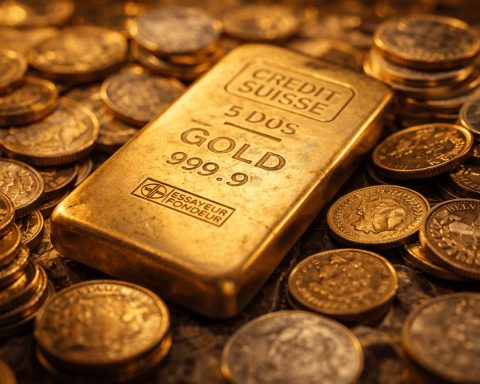
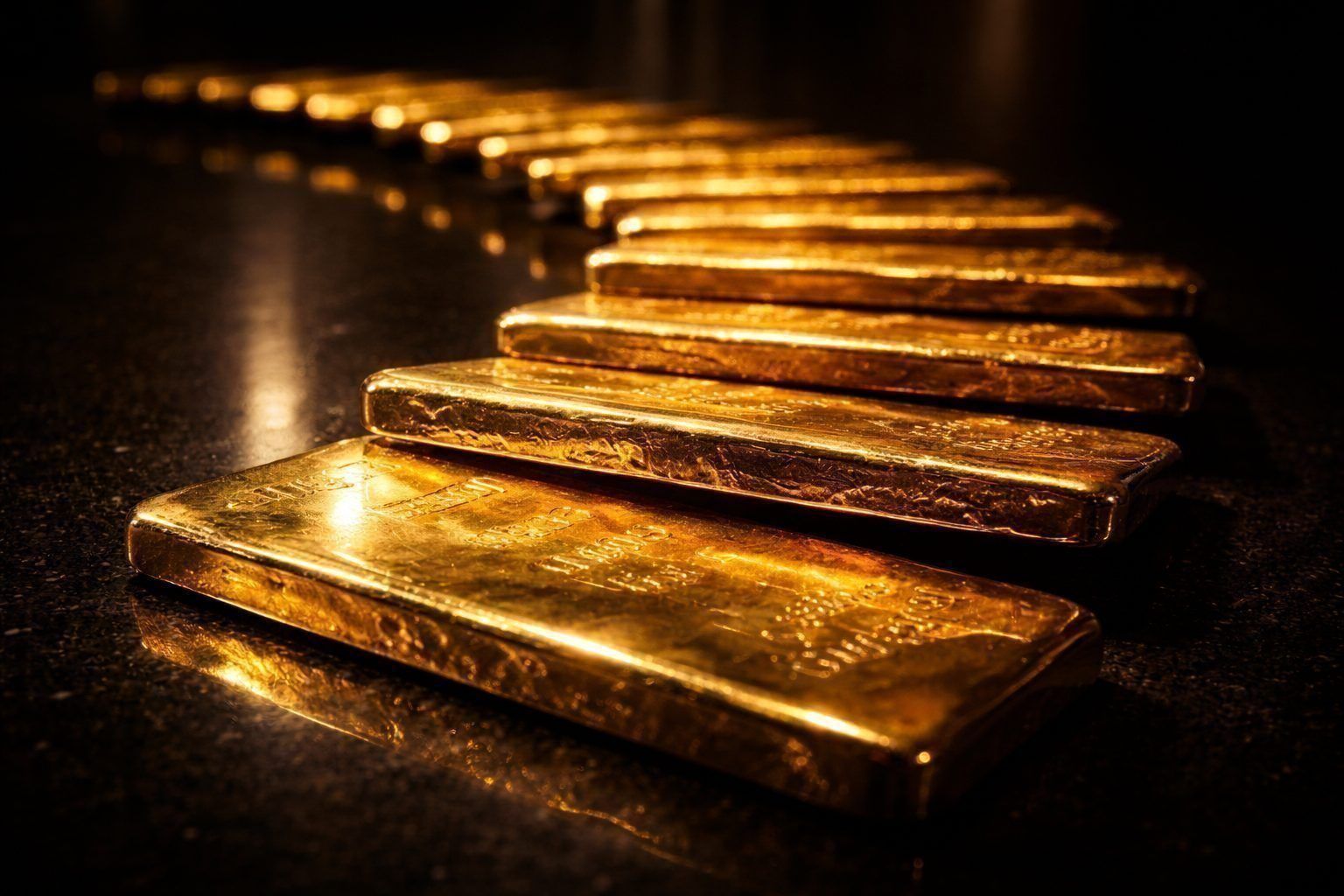
Gold and other precious metals may have room for further gains in 2026 as interest rates are expected to fall, analysts said, after gold climbed 66% in 2025. The rally pushed bullion to record highs on economic and geopolitical risks. Tim Waterer, chief market analyst at broker KCM Trade, said: “The key fundamental drivers of central bank demand and investor positioning ahead of expected lower U.S. rates in 2026 remain intact.” Reuters
That matters now because investors start the year resetting hedge ratios and rebalancing portfolios after one of the most volatile year-end stretches in memory. Gold is often treated as a safe haven, meaning a place investors park money when markets get nervous.
Volatility has also been fed by tighter rules on leveraged trading. CME Group said it would raise performance bond requirements for metal futures effective after the close on Dec. 31, lifting the cash traders must post to keep positions open. CME Group
Spot gold fell 0.78% to $4,312.39 an ounce on Dec. 31, while spot silver dropped 7.1% to $71.04, Reuters data showed. Reuters
A Reuters poll of 39 analysts and traders in October put the median forecast for gold’s 2026 annual average at $4,275 an ounce, the first time the survey topped $4,000. The poll’s median 2025 forecast was $3,400. Reuters
Bank of America lifted its 2026 gold forecast to $5,000 an ounce, with an average of $4,400, and said it still expected further upside even while flagging risks of a near-term correction. The bank also raised its 2026 view for silver to $65 an ounce. Reuters
Goldman Sachs projected gold would climb 14% to $4,900 an ounce by December 2026 in its base case, saying structurally high central bank demand and support from Federal Reserve rate cuts should help keep prices firm. Reuters
Morgan Stanley forecast gold at $4,800 an ounce by the fourth quarter of 2026, but said gains may slow if central banks and exchange-traded funds reduce purchases. ETFs are funds that trade like shares and can hold bullion for investors. Reuters
JPMorgan said gold could average $5,055 an ounce by the fourth quarter of 2026, basing its forecast on assumptions about investor demand and central-bank buying averaging about 566 tons a quarter in 2026. It reiterated a longer-term target of $6,000 an ounce by 2028. Reuters
Gold ended 2025 around $4,326.55 an ounce and was up about 65% on the year, Reuters reported, as investors leaned on central-bank buying, exchange-traded fund inflows and safe-haven demand. Silver finished around $72.02 after touching a record $83.62, while platinum ended near $2,020.11 after peaking at $2,478.50. Analysts said strategic stockpiling and competition for key metals could keep prices supported into 2026. Reuters
Forecasts hinge on how far and how fast U.S. rates fall. Gold pays no interest, so it tends to look better when real yields — inflation-adjusted bond returns — slide and the dollar weakens.
For now, the range of big-bank calls highlights both strong underlying demand and the risk of sudden air pockets when leverage is pulled back. Traders will be watching early-2026 signals on central-bank activity, ETF flows and whether the market can sustain prices above $4,000 without fresh shocks.