
New York, Feb 6, 2026, 10:08 EST — Regular session
- Spot gold rises about 3.7% as buyers return after a sharp liquidation wave
- CME tightens margins again as wild swings ripple through precious metals
- Traders track U.S.-Iran talks and a delayed U.S. jobs report for the next move
Spot gold (for immediate delivery) climbed back toward $5,000 on Friday after a steep selloff, with prices whipping through a near-$310 intraday range. Gold was up 3.7% at $4,957.61 an ounce around 10:08 a.m. ET, after trading as low as $4,654.86 earlier in the session, Investing.com data showed.
The bounce matters because the market is still digesting forced selling tied to losses outside metals, not just a shift in fundamentals. Gold fell 1.8% on Thursday and silver slid nearly 14% as a stronger dollar and a broader equity drop pushed investors to liquidate, Reuters reported; “Some people are facing margin issues,” RJO Futures strategist Bob Haberkorn said. Reuters
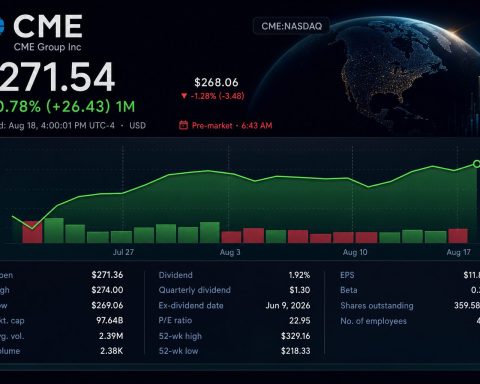
CME Group is also moving to cool the tape. The exchange operator raised margin requirements — the deposit traders must post to hold futures positions — lifting initial and maintenance margins for COMEX 100-ounce gold futures to 9% from 8% for certain accounts, in the latest of three increases since it shifted to a percentage-based method in mid-January, a Reuters report said.
Friday’s recovery in bullion came as risk appetite stayed shaky and headlines stayed hot. Gold gained as equities fell and investors watched U.S.-Iran nuclear talks that began in Oman, while the U.S. nonfarm payrolls report was pushed back to Feb. 11 after a shutdown disrupted releases, Reuters reported; “I do see a bit of a safe-haven investment coming in,” said Kelvin Wong, a senior market analyst at OANDA. Reuters
The dollar remains the other pressure point. The U.S. currency hit a two-week high on Thursday as stock volatility spiked and the pound slid after the Bank of England held rates, Reuters reported, and strategist Marc Chandler at Bannockburn Global Forex said the key question was whether there was “a deeper dollar bounce” ahead. Reuters
In futures, U.S. gold contracts were trading near the same neighborhood as spot. Gold futures were at about $4,961.40, with a session range between $4,671.74 and $4,970.59, Investing.com data showed.
The mechanics matter right now. Higher margins can force smaller traders to cut positions fast — selling into weakness — and that can turn a normal pullback into a stampede. When the tape is thin, the bounce can be just as sharp.
But the rebound is fragile. If stock markets steady, Iran talks cool tensions, or the dollar firms again, the safe-haven bid can fade quickly — and tighter margin rules can still trigger fresh position cuts into the close.
Investors’ next read is scheduled, not chart-based: the delayed U.S. payrolls report is due Wednesday and is expected to show job growth of 70,000 in a Reuters poll, with U.S. inflation data due on Friday in a busy week that could reset rate-cut expectations again.
Related articles: NASDAQ:CME