New York, Feb 2, 2026, 17:24 EST — After-hours
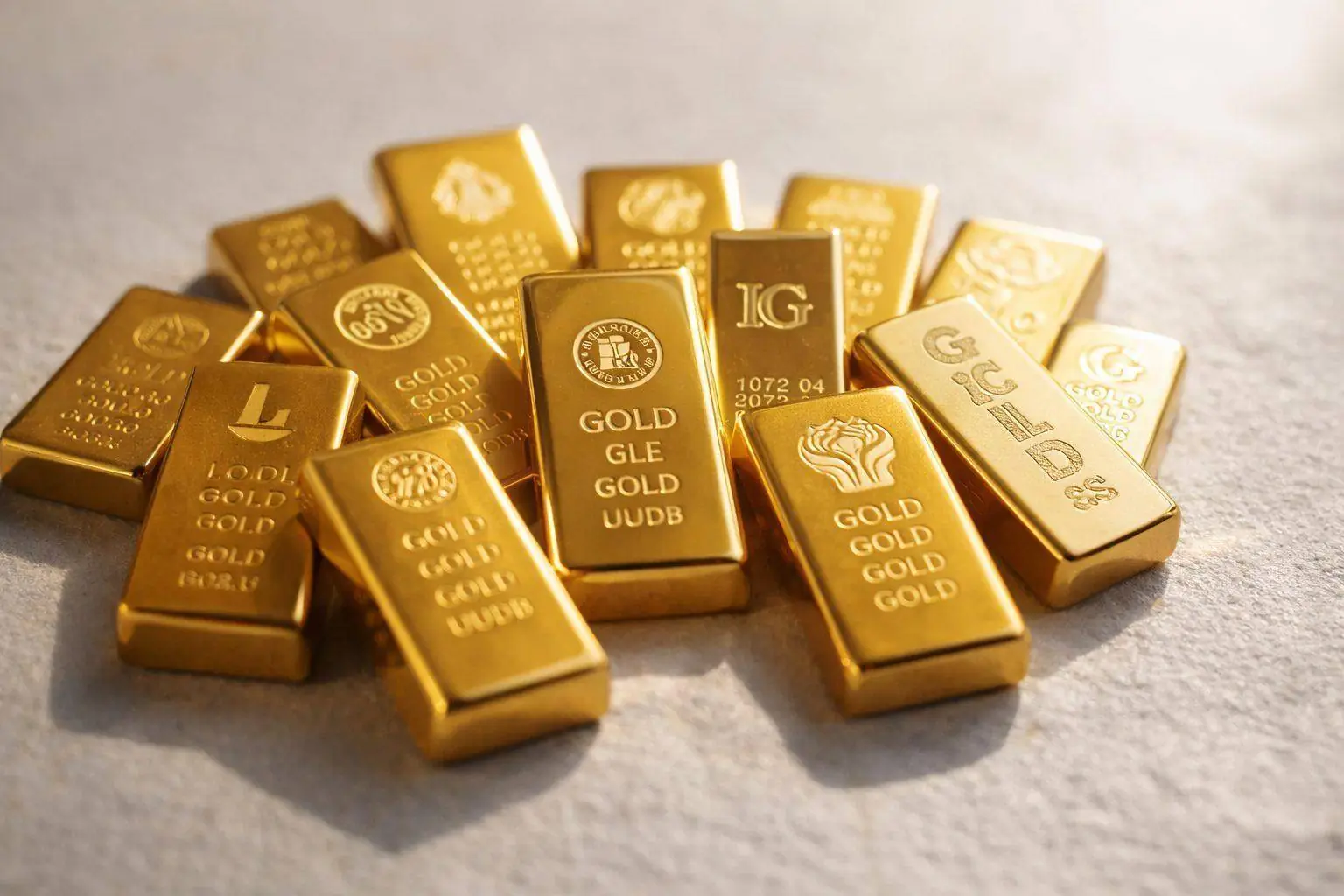
- Gold dropped sharply, tumbling as much as 7.5% to $4,499.34 during early Asian trading, though it clawed back some losses by day’s end.
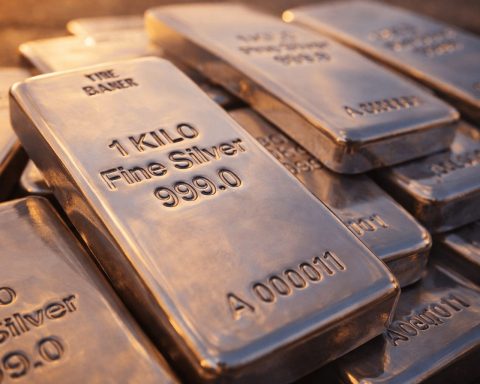
- Silver plunged up to 14.2%, hitting $72.63, as analysts cited de-leveraging and margin-driven sell-offs.
- The drop in metals dragged down risk assets more widely as investors dumped crowded trades. Reuters
Gold prices plunged further on Monday, with spot gold dropping 4.8% to $4,630.59 an ounce in U.S. afternoon trading. April futures closed down 1.9% at $4,652.60. Silver tumbled 9.2% to $76.81, while platinum slipped 3.3% and palladium fell 1.4%. Reuters
Speed is the name of the game. Gold’s rally in late January pulled in heavy leverage, and the unwind has come quicker than most traders anticipated, dragging down metals, ETFs, and sections of the commodity complex all at once.
Investors have had to rethink the U.S. rates outlook after President Donald Trump picked Kevin Warsh to head the Federal Reserve. Vivek Dhar, a commodities strategist at Commonwealth Bank of Australia, noted that markets selling off precious metals along with U.S. equities signals investors see Warsh as more hawkish. IG analyst Tony Sycamore described the gold sell-off as a “washout,” adding the scale of today’s unwind is unlike anything he’s seen since the grim days of the 2008 global financial crisis. Reuters
The margin reset is heating things up. CME’s clearing notice reveals initial and maintenance margins for COMEX 100-ounce gold futures will climb to 8% from 6%, while COMEX 5,000-ounce silver futures jump to 15% from 11%, starting after Monday’s close. Margin, the cash traders must lock up to hold futures, forces leveraged players to either trim their positions or dump more cash on short notice. CME Group
SPDR Gold Shares dropped roughly 4.0% to $427.13, tracking gold’s retreat after last week’s highs. This slump has weighed heavily on gold-related assets. Yahoo Finance
Some banks are pushing past the day-to-day noise. JPMorgan maintains its call that strong central-bank and investor demand will drive gold to $6,300 an ounce by year-end. It also projects central banks will buy 800 tons in 2026. Reuters
The immediate risk points the other way. With margins already elevated, traders brace for potential forced selling if funds scramble for cash—especially if the dollar holds strong and rate hikes look more likely.
Macro data is offering less clarity than usual—at least for the moment. The U.S. Bureau of Labor Statistics announced that a partial government shutdown will push back the January employment report and other key releases. That leaves investors relying more on market moves and central bank hints. Reuters
In Europe, all eyes are on the Bank of England this Thursday as policymakers are widely expected to keep rates steady. Investors will be dissecting any tweaks in forward guidance amid persistent inflation pressures. Fluctuations in the pound and gilt yields often ripple back to the dollar and real interest rates — key factors that gold traders watch closely. Reuters
Traders now face the question: will volatility calm down after the margin adjustments settle, or will it trigger further liquidations in Tuesday’s session? Attention will also focus on ETF flows and if silver can find a footing following its wild swings.
Lawmakers in Washington face a crucial vote Tuesday on legislation to end the shutdown, potentially reopening the stalled U.S. data calendar for markets. Reuters