
LONDON, June 24, 2026, 16:28 BST
- Spot gold slid under $4,000, touching lows not seen since November 2025. Silver also broke below $60.
- Gold slipped as the dollar picked up and traders priced in higher chances of more U.S. rate hikes. The Fed held rates steady at 3.5%-3.75% and said inflation remains above target.
- ETF demand is still soft, but analysts said central bank buying might help prevent a steeper drop.
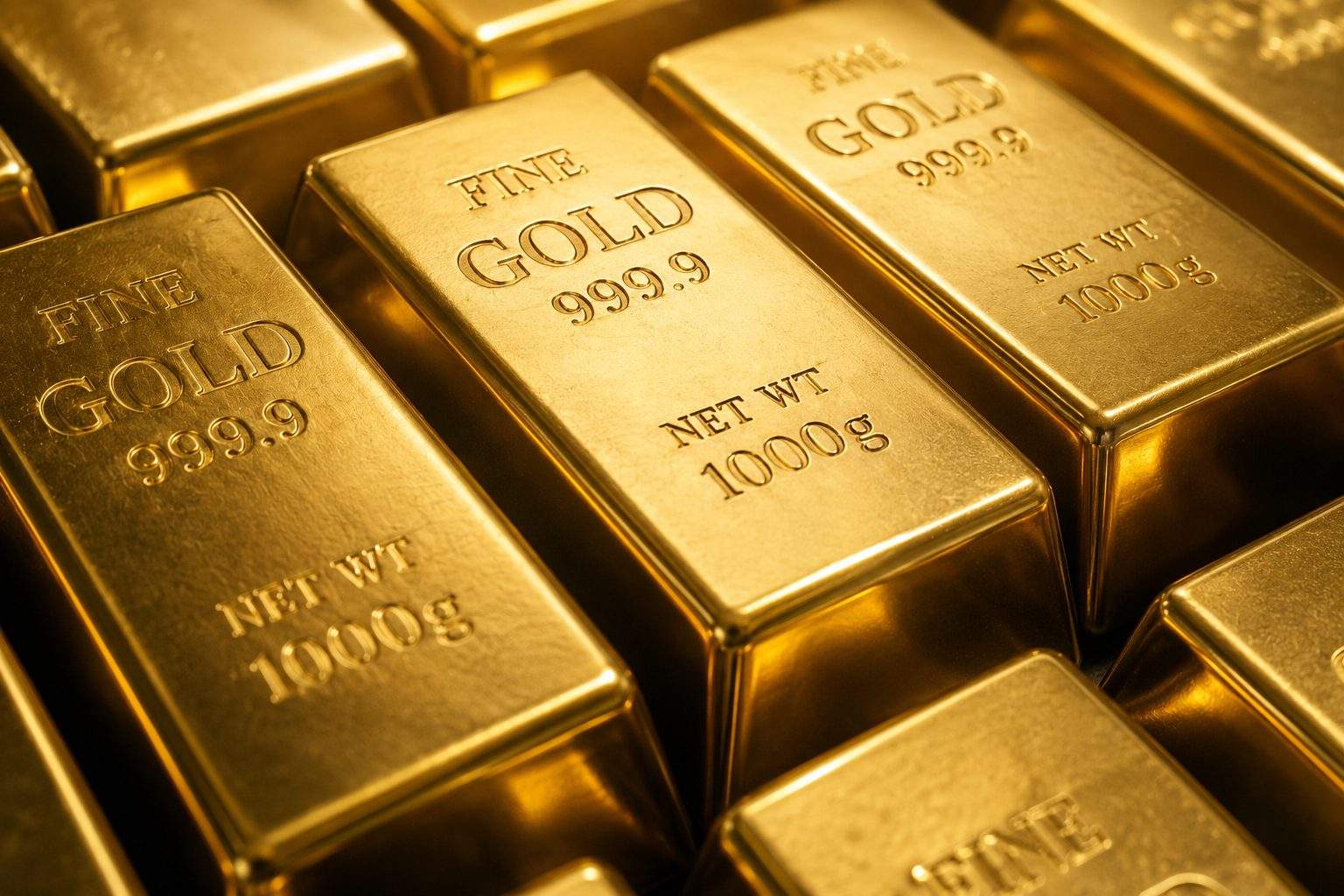
Gold dropped to its lowest in over seven months on Wednesday, slipping under $4,000 an ounce for a short stretch as the dollar gained and traders bet the Fed might raise rates again this year. Spot gold dropped 2.1% to $4,021.99 an ounce by 1405 GMT. U.S. gold futures were down 2.6% at $4,039.30.
Gold slipped after the Fed kept rates steady last week and said inflation is still above its 2% target, blaming higher energy prices. Traders say a hawkish Fed—meaning it’s more likely to keep rates elevated or hike them—tends to weigh on gold, since bullion doesn’t pay interest.
Independent metals trader Tai Wong said precious metals are under “heavy pressure” from a hawkish Fed and a firmer dollar. For gold, he pointed to central banks buying, saying “a collapse is unlikely.” But he warned gold could see a long spell of range trading. Reuters
Silver dropped 4.8% to $59.08 an ounce, its lowest price since December 2025. Platinum was down 4.1% and palladium slid 4.8%. The selloff cut across the precious metals space.
$4,000 was the level traders eyed. InvestingLive pointed to gold’s 38.2% retracement getting tested again at $4,079.35—a spot that tracks how much of the last rally was lost. The swing area ranged from $4,006.99 to $4,098.74. InvestingLive said dropping under $4,000 would hurt the chart setup.
Gold is testing $4,100 and a move down might mean $3,800 is next, according to a Kitco piece on CPM Group’s Jeffrey Christian. The note said silver is holding support around the low $60s. Any fast drop in gold or silver may not last, Kitco wrote.
Gold and silver haven’t hit a firm bottom yet, SchiffGold said. The firm noted open interest for both metals has dropped to multi-year lows, which it said shows speculative traders are mostly out. SchiffGold still sees risk of gold dropping near $3,700 and silver slipping toward $50 if $4,000 and $60 don’t hold.
Bullion-backed ETFs are important. These market-listed funds either hold bullion or follow its price. Data from the World Gold Council, cited by Reuters, showed gold ETFs lost 16 metric tons in May and kept losing metal through the first half of June. Still, last week funds saw the biggest weekly inflows since mid-April.
Carsten Menke at Julius Baer said that ETF flows track U.S. monetary policy. Adrian Ash, who heads research at BullionVault, said investors are looking elsewhere right now. Suki Cooper at Standard Chartered said demand from the official sector “can make up for shortfalls” when ETF demand slips. Reuters
Morgan Stanley’s Amy Gower and Martijn Rats say gold needs much stronger ETF inflows to get to $5,200 in the second half of 2026. “The missing piece is ETF demand,” they wrote, according to Kitco. Kitco
Bank of America’s metals analysts, headed by Michael Widmer, are no longer bullish in the near term. “Hitting our $6,000/oz target looks unlikely for now,” the team said. The bank is still pointing to U.S. deficits and dropping dollar holdings in reserves as its long-term argument. Kitco
But a lot of the bearish scenario hinges on U.S. inflation and interest rates. If the Personal Consumption Expenditures index comes in softer, that could cool bets on more rate hikes by the Fed and help gold prices. A stronger number might support the dollar and send gold down toward recent lows. The next core PCE print lands June 25; last seen, April core PCE was up 3.3% year over year.
Related articles: NYSE:MS









![Asia Stock Market Today 27/08/2026 [UPDATE: 00:10 SGT] [Chip Losses Narrow as KASE Global Enters Final Hour]](https://ts2.tech/wp-content/uploads/2026/08/Asia-market-dashboard-2026-08-27-0010-480x384.jpg "Asia Stock Market Today 27/08/2026 [UPDATE: 00:10 SGT] [Chip Losses Narrow as KASE Global Enters Final Hour]")