NEW YORK, March 31, 2026, 07:02 EDT
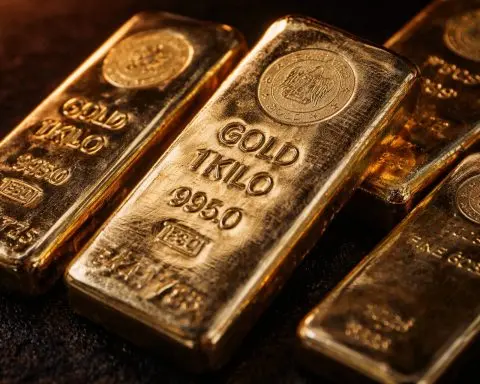
Gold was flat on Tuesday, with spot prices ticking up 1.1% to $4,559.46 an ounce at 1005 GMT, but the metal’s on track for its worst monthly slide since 2008—down over 13% in March. Still, Goldman Sachs is sticking by its $5,400-an-ounce forecast for the end of 2026. Reuters
The break is notable—gold tends to draw buyers as war or inflation threats mount. Still, with the Middle East situation escalating and energy prices climbing, bullion struggled, boxed in by dimming expectations for Federal Reserve rate cuts. HSBC, for its part, argued gold’s trading pattern this year looks more like a risk asset. Reuters
Goldman isn’t backing down from its bullish outlook. The bank is holding to its $5,400 gold target for the end of 2026, citing anticipated Fed rate cuts, persistent buying from central banks, and a shift in speculative positions—a shakeout of short-term leveraged plays in the futures and options space. Lina Thomas, senior commodities analyst at Goldman Sachs, reiterated that the firm remains “still bullish gold,” though she added they’re “not expecting a super cycle” across commodities. Investing.com
Goldman stands out as more optimistic on gold’s medium-term outlook compared to HSBC and Commerzbank. HSBC told Kitco that in 2026, gold has started to act more like a risk asset, though ongoing moves to diversify reserves away from the dollar still underpin its long-term appeal. Over at Commerzbank, analysts see potential rate cuts in the second half pushing gold up to $5,000 an ounce. Kitco
This reserve-diversification move basically signals de-dollarization—central banks and investors cutting back their exposure to dollar assets. HSBC notes that this theme continues to support gold, despite the shakeout in March. Kitco
Back in January, Goldman bumped its 2026 forecast up from $4,900, citing a move by private investors and emerging-market central banks toward bullion. At that time, Reuters noted the bank was calling for Western gold-backed ETF holdings to climb as the Fed eased rates, while central-bank purchases were expected to run at 60 tonnes per month in 2026. Reuters
But not everyone’s buying in. The World Gold Council reported that central banks picked up just 5 tonnes of gold in January, a sharp drop from their 12-month average of 27 tonnes. Some central banks may be hesitating as gold prices swing. Still, the Council says geopolitical pressure could keep those purchases coming through 2026. World Gold Council
Not everyone’s convinced the bottom is in. Ross Norman, an independent analyst, described Tuesday’s uptick as “something of a dead cat bounce.” He also pointed out that a straightforward resolution to the Middle East conflict might drag oil and the dollar lower, giving gold a lift down the line. Reuters
Right now, Goldman’s forecast faces a clear threat: the factors that drove gold’s drop in March might stick around. Oil prices haven’t budged, the dollar’s still strong, and traders aren’t buying into Fed rate cut bets—none of which lets up the pressure on gold. Back in January, Goldman flagged another risk: if global policy threats fade sharply, macro hedges—those bets against big policy or growth shocks—could unwind and push prices down. Reuters
Even so, gold’s broader trajectory remains intact. Prices have climbed more than 5% this quarter, following a record peak at $5,594.82 on Jan. 29. The market now sits wedged between a sharp near-term reversal and a longer-term demand narrative, which several banks continue to support. Reuters