NEW YORK, January 4, 2026, 04:06 ET
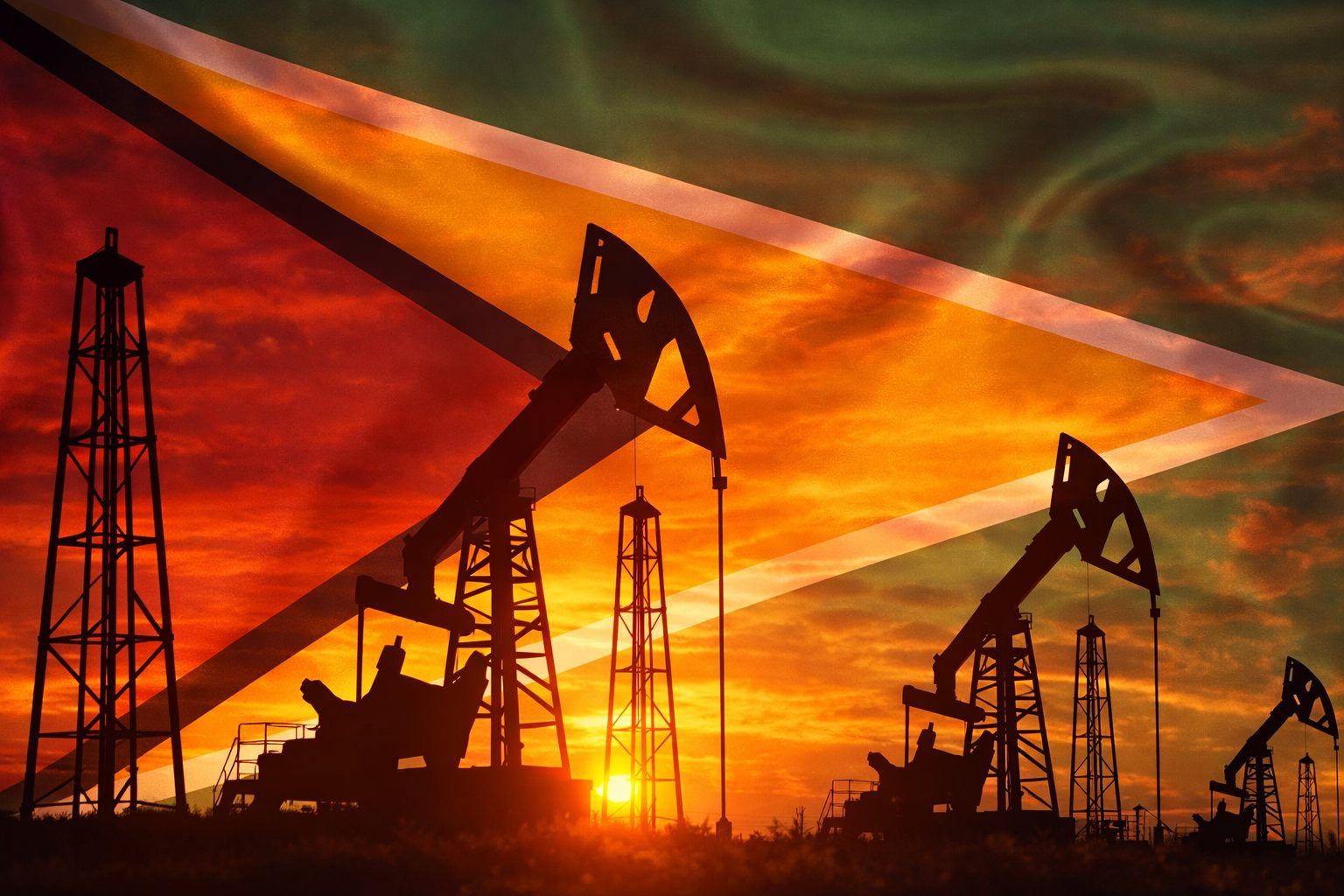
- Guyana is channeling oil revenue into tourism infrastructure and new hotels as it seeks growth beyond crude exports.
- Bloomberg’s Pursuits newsletter spotlighted Georgetown’s rapid construction surge and a growing tourism pitch.
- The University of Guyana has elected veteran diplomat Sir Ronald Sanders as chancellor, a government statement said.
Guyana is pouring cash from its offshore oil boom into hotels, roads and “ecotourism” — low-impact travel centered on nature and local communities — as it tries to draw more visitors beyond its small Caribbean-facing capital, Travel and Tour World reported on Saturday.
The push matters now because Guyana’s new oil income is rapidly changing what the country can build and how fast. Tourism operators and policymakers face a narrow window to expand capacity without damaging the rainforests and wildlife that make the pitch credible.
It also comes as the government highlights investment in education and skills alongside construction projects. A new chancellor at the national university is one of the most visible moves aimed at raising Guyana’s international profile as oil money arrives.
Travel and Tour World said Georgetown has seen rapid growth, with international hotel brands including Hilton, Hyatt and Marriott moving in. The outlet said improved roads and airport facilities are meant to make the capital a more practical gateway for overseas travelers.
Bloomberg’s Pursuits Weekly newsletter described what it called an oil-funded “glow-up” in Georgetown and noted locals have begun using the phrase “next Dubai” to describe the pace of building. Carla Vantull, general manager of tour operator Wilderness Explorers, said “Tourism builds pride in a country,” in the newsletter.
Much of the tourism bet lies far from the coast. Travel and Tour World said the country is upgrading access to the interior, including plans to pave a 276-mile (444-km) route from Georgetown toward remote regions.
Many visitors fly to Lethem in the Rupununi region near the Guiana Shield, an ancient geological formation that spans northern South America, the report said. It cited wildlife viewing that can include jaguars, giant anteaters and river otters.
The outlet highlighted boat trips on the Burro-Burro River, where travelers look for wildlife in dense rainforest. It said oil revenue is helping fund eco-lodges and other amenities in remote areas.
Travel and Tour World also flagged the risk of overdevelopment, saying local leaders want new infrastructure to preserve the environment that draws tourists. It compared Guyana’s oil-backed tourism build-out to Saudi Arabia’s push to use energy wealth to expand airports and hotels, and said Guyana hopes to compete with established nature destinations such as Costa Rica and Panama.
In education, the University of Guyana’s council has elected Sir Ronald Sanders as chancellor, replacing Professor John Edward Green, who was appointed in November 2019, News Source Guyana reported.
Sanders is Antigua and Barbuda’s ambassador to the United States and the Organisation of American States, according to the government statement cited in the report. The statement said he previously served as a visiting fellow at the University of Oxford and held research posts in London and Toronto, and was an elected member of UNESCO’s executive board.