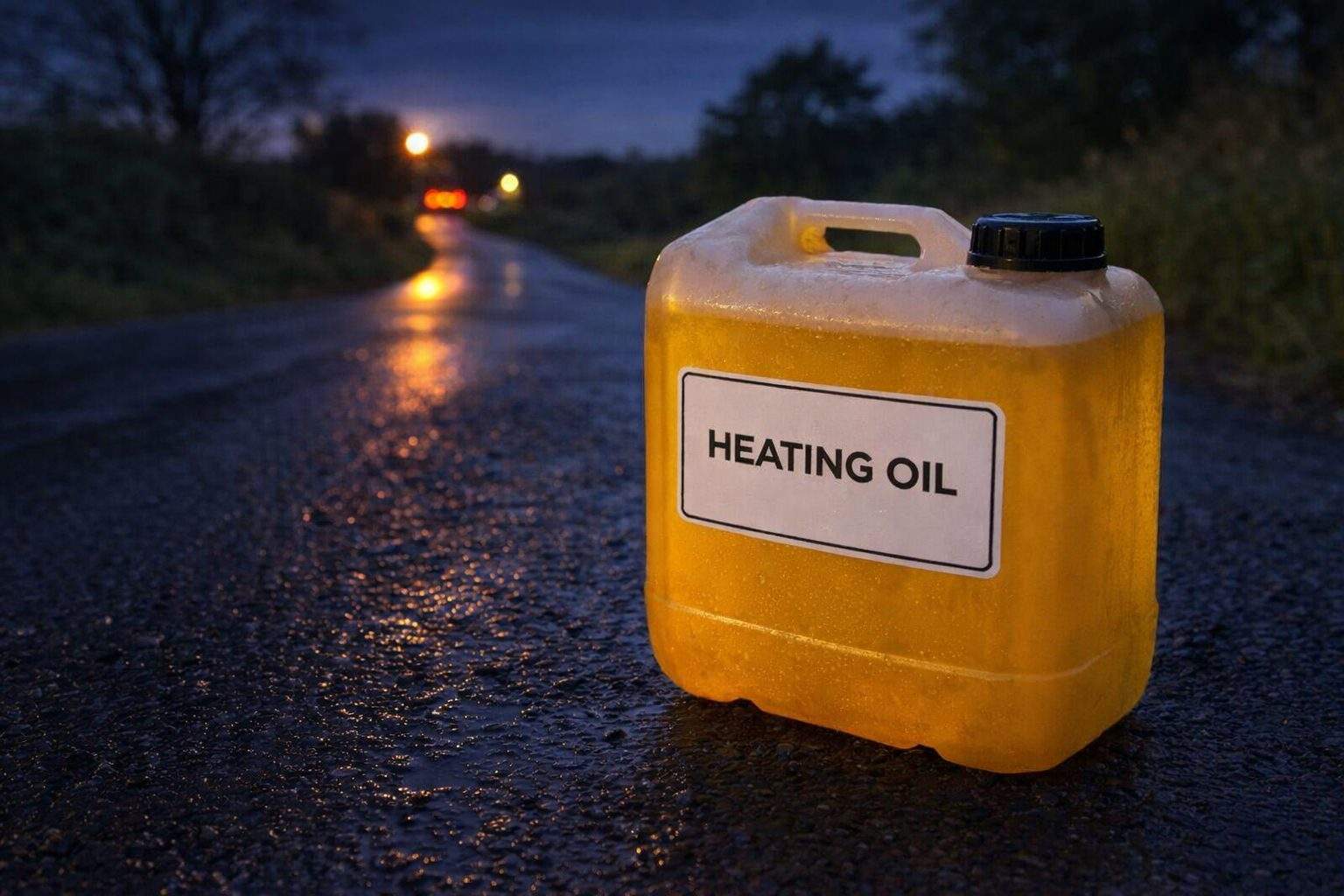
New York, Feb 24, 2026, 13:42 (EST) — Regular session
- NYMEX heating oil slipped, giving back some ground after notching gains on Monday.
- Oil traders kept their attention on U.S.-Iran nuclear negotiations, with new headlines from Washington grabbing notice.
- Next up, traders are watching for U.S. inventory numbers and fresh cues from weather-driven demand.
Heating oil futures in the U.S. slipped Tuesday, pulling back after Monday’s run-up. NYMEX New York Harbor ultra-low sulfur diesel (ULSD), the go-to distillate benchmark for both diesel and heating oil, dipped 0.16% to $2.5152 per gallon as of 1:41 p.m. in New York. The contract had bounced around between $2.5073 and $2.5548. Investing.com
This matters: distillates sit at the crossroads of winter demand and supply jitters. ULSD prices feed straight into diesel for haulers and end up on heating oil bills across the Northeast. Inventories get tight, weather shifts, and prices can spike in a hurry.
Crude gave traders few clear cues. Brent slipped 0.4% to $71.24 a barrel, while U.S. West Texas Intermediate eased 0.4% to $66.06 as of 10:41 a.m. EST. Market focus stayed on Thursday’s upcoming third round of U.S.-Iran nuclear negotiations in Geneva, with weekly inventory snapshots from the American Petroleum Institute due later Tuesday and the Energy Information Administration following on Wednesday. Reuters reports analysts expect crude stocks climbed by roughly 1.3 million barrels for the week ending Feb. 20. Reuters
Weather and shifting policy signals are both in play. A winter storm rolled through the U.S. Northeast, bumping up the diesel crack spread — the gap between crude and diesel, used as a rough stand-in for refinery profits — by about 5% on Monday, according to Reuters. Phil Flynn of Price Futures Group said Iran looked “more open to talking about their nuclear program.” Bob Yawger, who leads energy futures at Mizuho, wasn’t convinced: “Nobody really knows what’s going on,” he told Reuters. Reuters
On the other side of the Atlantic, demand indicators weakened. Consultancy Argus reported German heating oil volumes dropped close to 13%, with higher prices and abundant supply tamping down purchases—even as refineries head into maintenance season. Argus Media
Distillate markets are prone to sudden swings. A refinery hiccup, logistical delays, or even a late-season cold snap—these typically slam diesel and heating oil more than crude, mainly due to thinner buffers.
The risk is clear enough—if Iran negotiations start to ease geopolitical nerves, the extra premium in fuel prices could vanish fast. Bigger U.S. inventory builds would also pressure ULSD. Should the post-storm demand spike cool off, heating oil won’t hang on to its recent gains for long.
Focus shifts next to API numbers due later Tuesday, followed by the EIA release on Feb. 25. Headlines out of Geneva on Feb. 26 also loom large. The market will be watching to see if Tuesday’s drop is just a blip—or something bigger.