
Singapore, April 6, 2026, 19:25 (SGT)
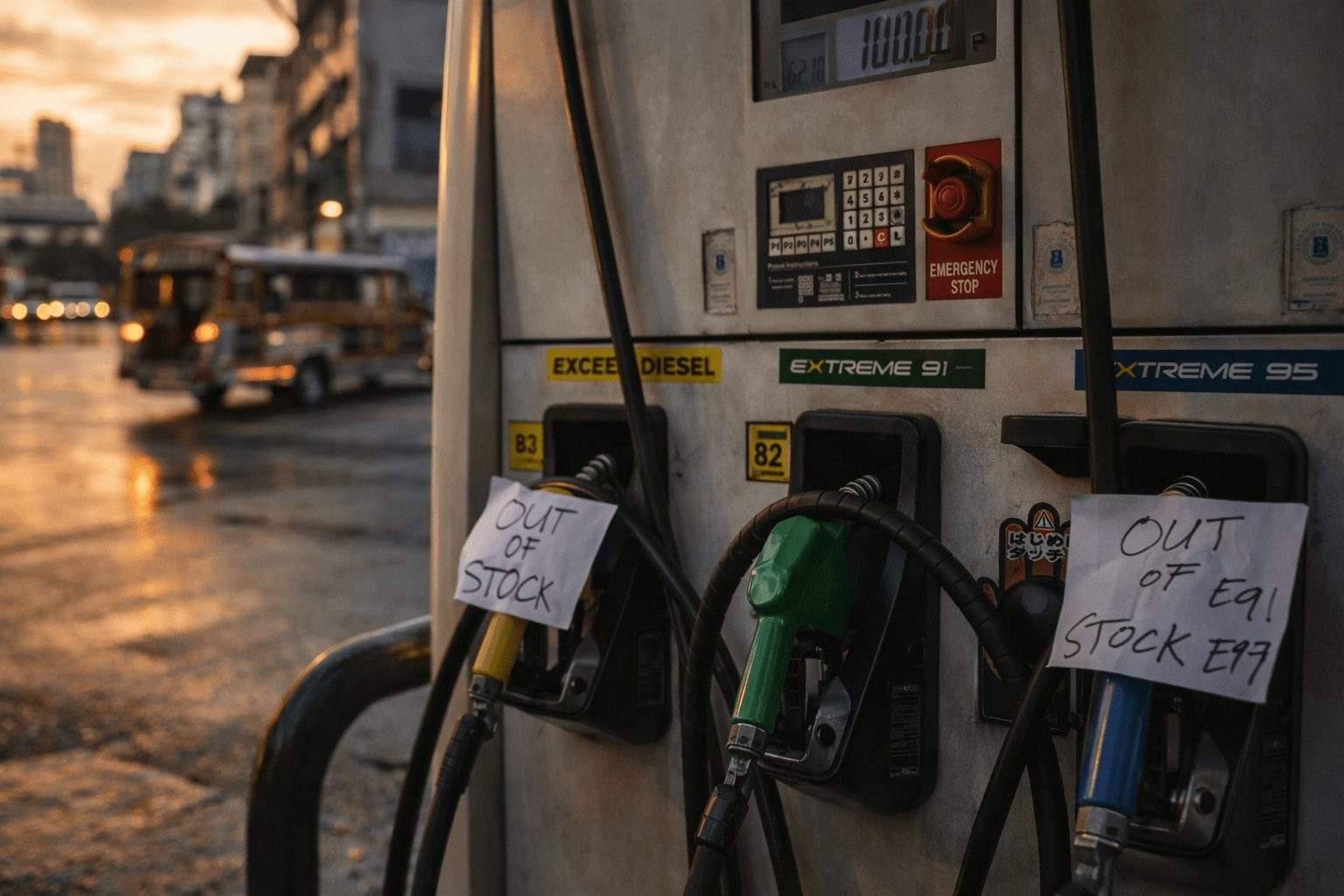
Monday saw Asian officials expand emergency measures, with fuel and shipping prices staying elevated amid the ongoing Strait of Hormuz disruption. A ceasefire proposal remained under discussion between Washington and Tehran, raising hopes for the vital route to reopen. South Korea, weighing its options, signaled a willingness to tolerate limited shipping risk as it scrambles to secure alternative crude supplies and speed up renewable energy efforts.
The stakes are high for Asia, which takes in roughly 80% of oil exports passing through Hormuz. Fresh manufacturing numbers are already flagging slower momentum in Indonesia, Vietnam, Taiwan, and the Philippines. The Bank of Japan, via Osaka branch manager Kazuhiro Masaki, cautioned the risks could spread if the conflict drags on, saying it’s “not just about the impact on prices but availability of goods.” Reuters
South Asian governments are tightening the screws: India slashed fuel taxes, redirected gas toward priority sectors, and ordered refiners to boost cooking-gas production. Pakistan, meanwhile, cut government fuel allowances in half and pushed many offices to a four-day workweek. Bangladesh trimmed office hours and mandated shops close earlier. Sri Lanka, for its part, named Wednesday a public holiday to eke out supplies.
Travel isn’t dodging the squeeze. Indonesia has cleared airlines to bump up fares between 9% and 13% after lifting the fuel surcharge—a ticket add-on linked to oil prices—and is tossing in some tax relief to cushion travelers. AirAsia X flagged jet fuel prices spiking to $300 a barrel in certain spots, prompting a roughly 20% hike in its fuel surcharge and fare increases ranging from 31% to 40%.
India has pushed back some refinery maintenance to ensure domestic fuel keeps reaching the market, a move closely watched across the region. Meanwhile, a pair of Indian-flagged vessels loaded with liquefied petroleum gas—LPG, used in cooking—have slipped out of the Gulf. With gas supplies squeezed by the conflict, New Delhi is now looking to secure 2.5 million metric tons of urea, aiming to shore up critical fertilizer production. The government is scrambling to mitigate the country’s worst gas shortage in decades, cutting industrial deliveries to prioritize households.
Replacement barrels aren’t hard to find, but prices are running up sharply. In March, U.S. fuel exports to Asia more than doubled. Spot premiums for U.S. West Texas Intermediate—WTI—crude sent to North Asia have soared, hitting $30 to $40 per barrel over benchmarks, as refiners in Asia and Europe chase non-Middle East supplies. “Asian refiners, shut out of Middle Eastern supply, are bidding aggressively for every available Atlantic Basin barrel,” Rystad Energy’s Paola Rodriguez-Masiu said. Reuters
China stands out as one of the few major buyers still able to maneuver. In the first quarter, Chinese companies re-exported a record 1.31 million metric tons of liquefied natural gas (LNG), shipping cargoes off to South Korea, Thailand, Japan, India, and the Philippines. The combination of lackluster domestic demand and steady pipeline flows meant traders could capitalize on tight markets elsewhere. “Spot prices are good so China can reload cargoes,” said ICIS analyst Wang Yuanda. Reuters
Governments are getting pushed into making longer-term plays as a result of the shock. Indonesia and the Philippines, for example, have ramped up spending on renewables—a move that hands China an edge, given its strength in solar panels, wind turbines, batteries, and EVs. Companies like CATL, BYD, and Jinko Solar stand to gain.
Brent crude slid over $2 on Monday, landing at $107.11 a barrel as markets tried to balance diplomatic efforts with ongoing supply disruptions. That said, any price break might not last long. A 45-day ceasefire proposal is circulating, but with Iran still on the fence and OPEC+—headed by Saudi Arabia and Russia—granting just a modest quota bump for May, traders doubt whether much extra oil will actually hit the market. “Not being able to open the Strait of Hormuz is becoming more a question of political victory,” said Mukesh Sahdev, founder of consultancy XAnalysts. Reuters
Gulf officials are insisting that guaranteed shipping access be written into any settlement upfront. UAE presidential adviser Anwar Gargash put it bluntly: securing navigation through Hormuz isn’t negotiable, and, as he put it, the strait “cannot be held hostage by any country.” Reuters