
Houston, May 13, 2026, 17:02 CDT
- HPE shares jumped roughly 6% on word that additional activist investors had built positions.
- HPE is absorbing Juniper into its broader networking division, ramping up its push for private-cloud solutions tailored to AI workloads—that’s where the pressure’s showing.
- HPE will host its next earnings call on June 1, with margins, integration costs, and pressure from activists all returning to the spotlight.
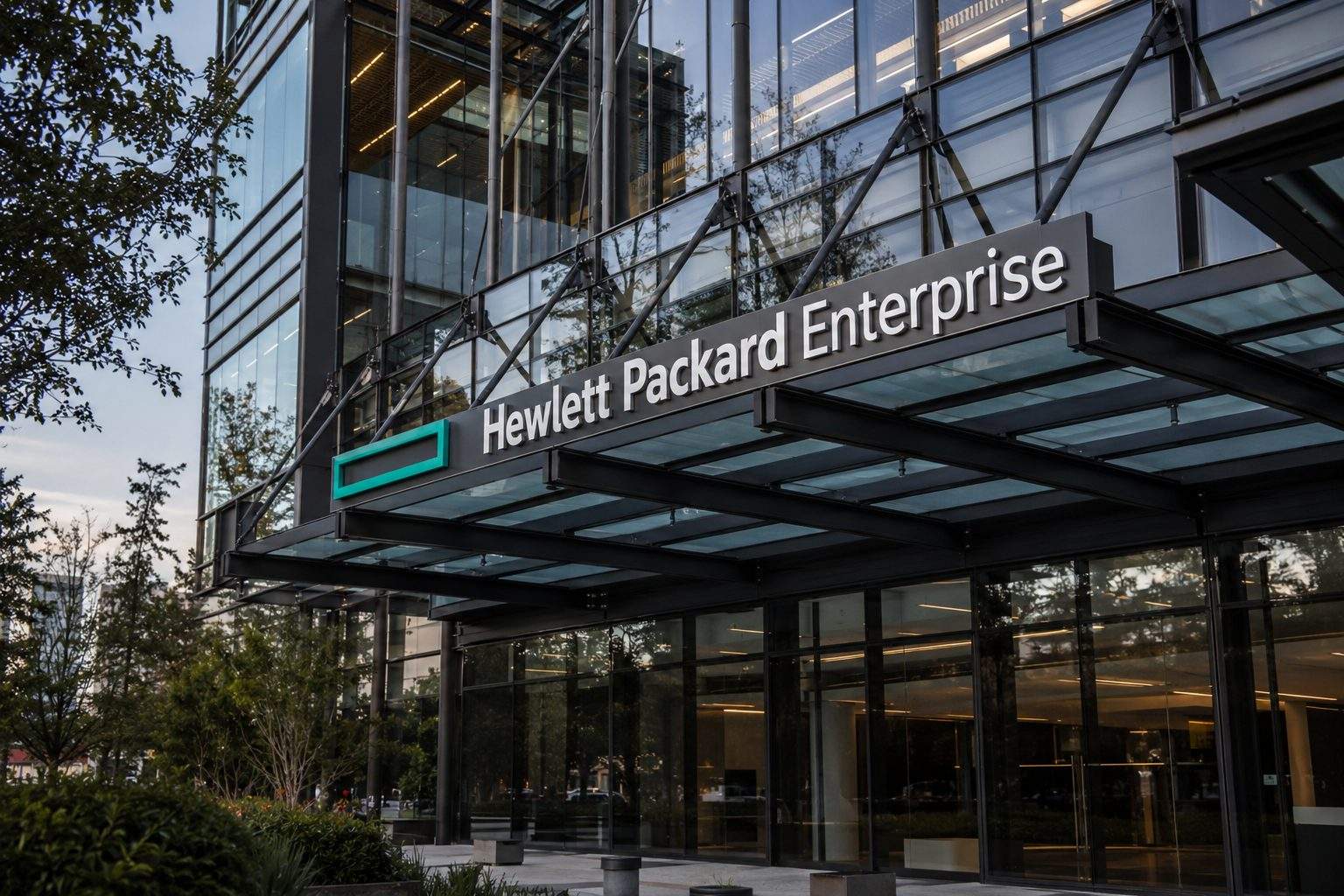
Shares of Hewlett Packard Enterprise climbed Wednesday following a Semafor report that additional activist investors—among them Irenic Capital—have entered the stock, intensifying the pressure already coming from Elliott Management. Both HPE and Elliott declined to give Semafor a comment. The report noted Irenic’s strategy remains unclear.
Shares last traded at $32.07, up $1.87 for the day, as intraday volume topped 27 million. That pushed HPE’s market value to roughly $43.5 billion, thrusting its activist narrative back into focus for investors.
The timing’s crucial: HPE is under pressure to show that acquiring Juniper moves it into higher-margin networking and AI infrastructure—there’s more at stake here than just growing bigger. Elliott took on a $1.5 billion stake last year and secured board seats, with a right to add another director set to lapse in July, according to Semafor.
The rollout comes at a tricky moment for HPE’s leadership. On Tuesday, the company took the wraps off new GreenLake offerings—private-cloud, storage, and data-protection tools—targeting businesses getting their data AI-ready. Private cloud, here, refers to computing resources reserved for a single customer, not divvied up among the broader public cloud.
HPE says its latest private-cloud platform handles both virtual machines and Kubernetes containers. The latter—a tool for orchestrating containerized applications—helps companies deploy those modular code packages that are now standard for building modern software.
Fidelma Russo, HPE’s executive vice president and chief technology officer, described how enterprises are pushing for a “unified operating model” as they update systems for AI and cloud-native apps. That message echoes HPE’s core strategy: streamline with fewer tools, ramp up automation, and keep a bigger share of the customer’s data stack anchored to HPE hardware and software.
The next comprehensive update on that front is just ahead. HPE’s fiscal second-quarter earnings call lands on June 1, set to discuss the quarter that wrapped up April 30.
HPE’s most recent quarter handed activists fresh ammo: fiscal first-quarter revenue hit $9.3 billion, climbing 18% year over year. Networking jumped to $2.7 billion—up a whopping 151.5%, lifted by the Juniper deal. “We have been outperforming in our networking business,” Chief Executive Antonio Neri said. Hewlett Packard Enterprise
The competitive landscape remains narrow. Back in March, Reuters noted that HPE faces off with both Dell and Super Micro Computer in the AI server market, where higher memory-chip costs are forcing vendors to hike prices. On the networking front, HPE’s Juniper move tightened the gap with Cisco—the main player regulators were eyeing for antitrust concerns.
Regulatory risk still lingers. Last year, the Justice Department settled with HPE over its Juniper deal, according to Reuters. HPE must sell off its Instant On wireless unit and hand over a license to Juniper’s Mist AI software source code for wireless LAN products.
The activist push might turn out to be a double-edged sword. More investors demanding action could boost hopes for asset sales, cost reductions, or shifts in the board lineup. On the flip side, it risks pulling management’s focus as HPE works on integrating Juniper, rolls out new cloud offerings and keeps an eye on supply expenses. Semafor noted that multiple states remain opposed to the merger, potentially pushing for tougher remedies.
Last week, Rami Rahim—once Juniper’s CEO, now running HPE Networking—declared self-driving networks “no longer aspirational.” HPE is pushing that message hard to investors. But activists aren’t necessarily on board. Hewlett Packard Enterprise



![US Stock Market Today 08/28/2026 [UPDATE: 03:04 EDT] [Marvell Stays Near Overnight Low as Premarket Handoff Nears]](https://ts2.tech/wp-content/uploads/2026/08/US-market-dashboard-2026-08-28-0300-480x384.jpg "US Stock Market Today 08/28/2026 [UPDATE: 03:04 EDT] [Marvell Stays Near Overnight Low as Premarket Handoff Nears]")