
CHARLOTTE, North Carolina, May 9, 2026, 13:02 EDT
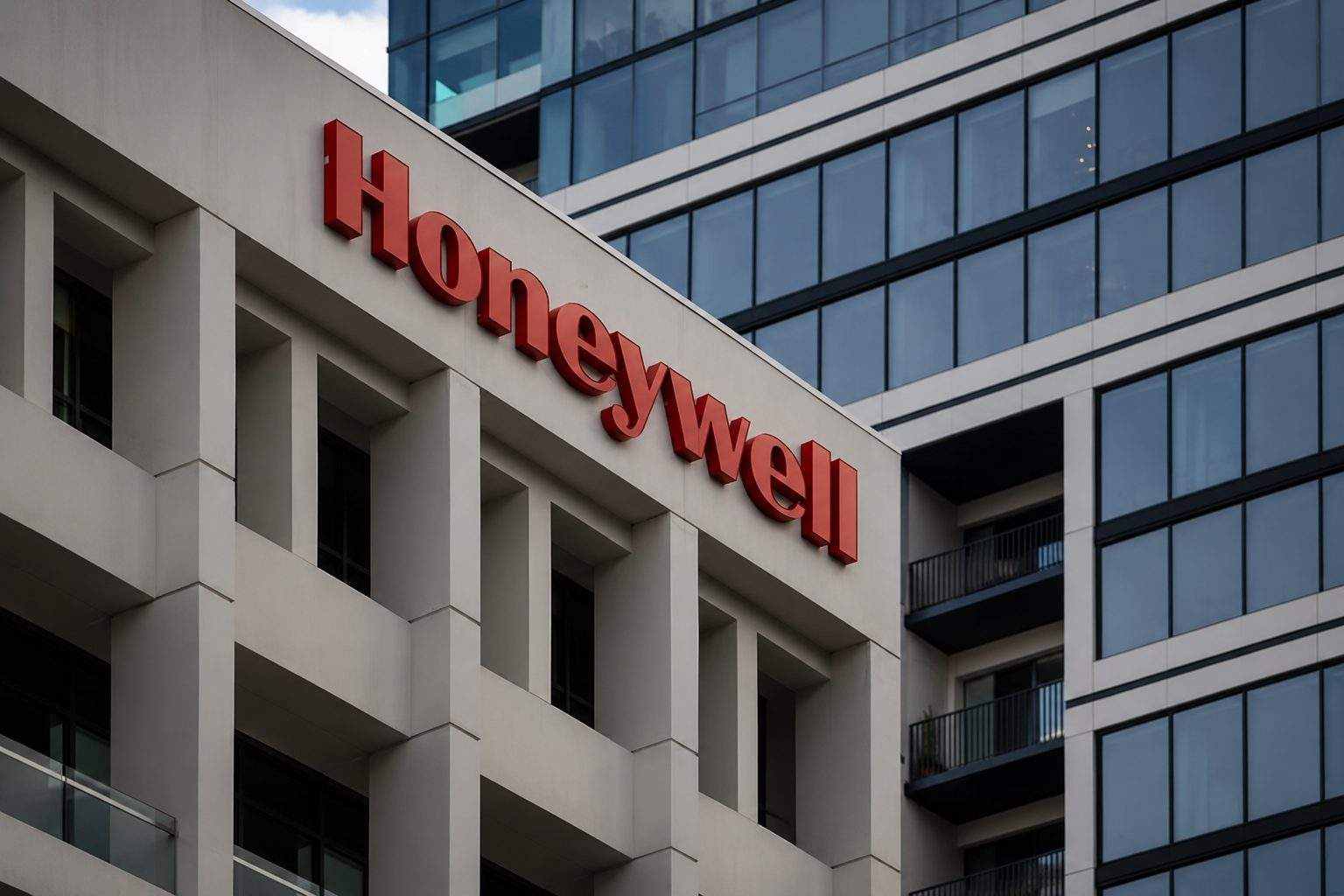
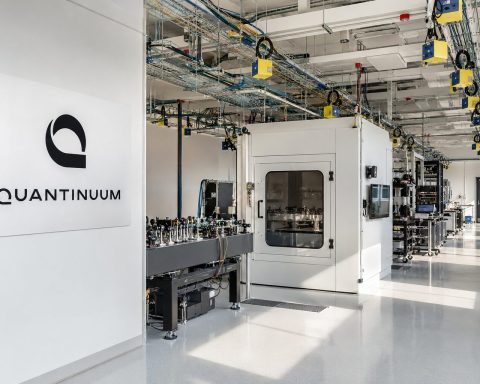
Quantinuum, the quantum computing unit backed by Honeywell International Inc., has taken a big step toward going public, filing for a U.S. IPO. Honeywell confirmed Quantinuum’s plan to trade its Class A common shares on the Nasdaq Global Select Market under the ticker “QNT.” Honeywell International Inc.
The timing is key—Honeywell’s already deep into a broader portfolio overhaul. The company’s planning to spin off Honeywell Aerospace by June 29, 2026, pending final board sign-off and some other conditions. Alongside that, it’s pushing ahead with plans to offload warehouse and productivity assets.
This comes as IPO buyers are back in the market following a quiet March. According to Reuters, pent-up demand and a drop in market uncertainty have opened the U.S. IPO window again lately, putting high-growth, higher-risk tech stocks in a much stronger position than they saw earlier this year.
No word yet on the number of shares or pricing—Honeywell hasn’t locked in terms, and the registration statement remains inactive. J.P. Morgan and Morgan Stanley are in as joint lead active bookrunners, joined by Jefferies and Evercore ISI on the active book-running side.
Quantinuum’s latest filing pulled back the curtain on its finances. Net revenue landed at $30.9 million for 2025, up from $23.0 million the previous year, but net losses deepened to $192.6 million from $144.1 million. In the most recent quarter ended March 31, 2026, revenue dropped sharply to $5.2 million from $19.1 million, while losses climbed to $136.6 million from $30.5 million.
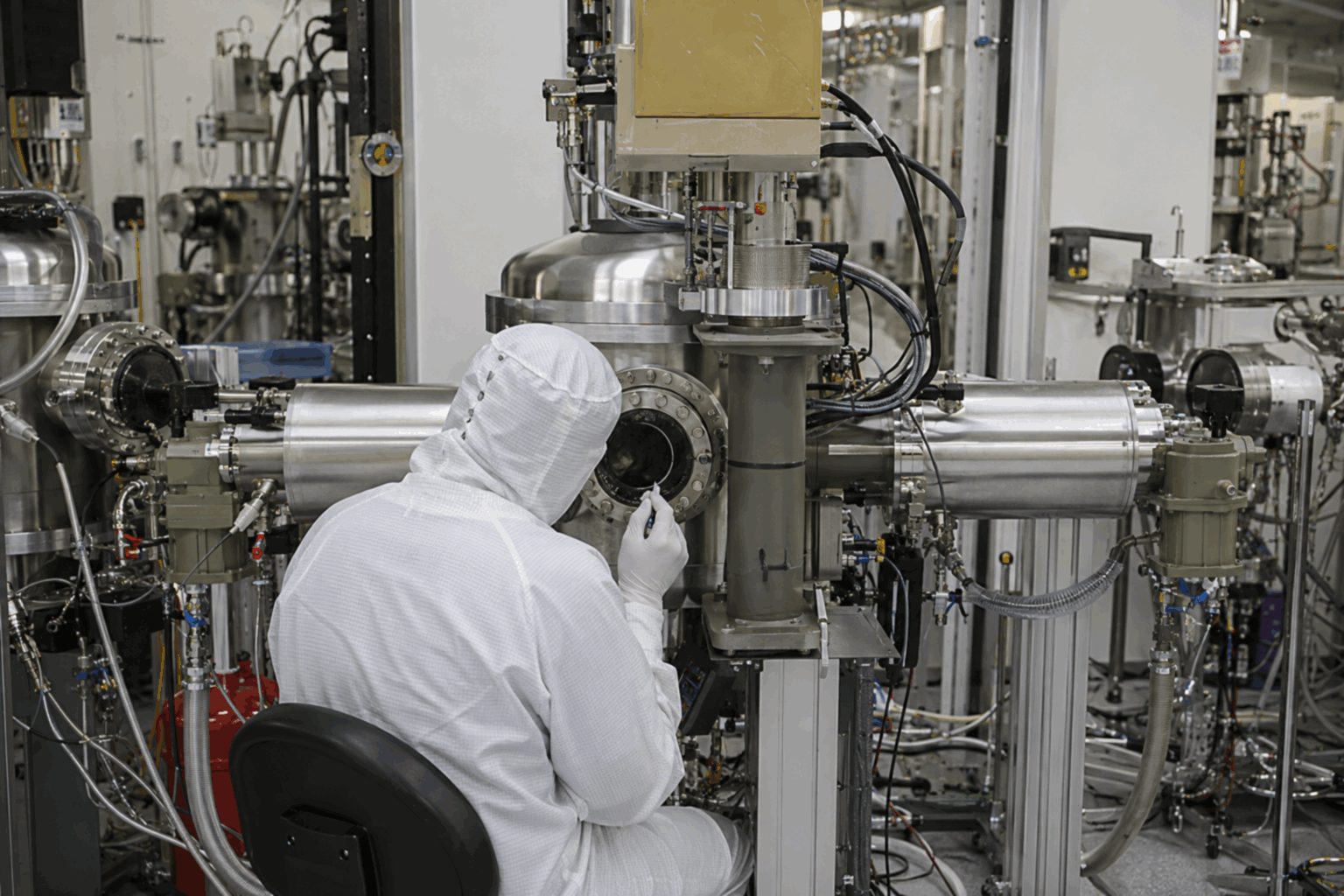
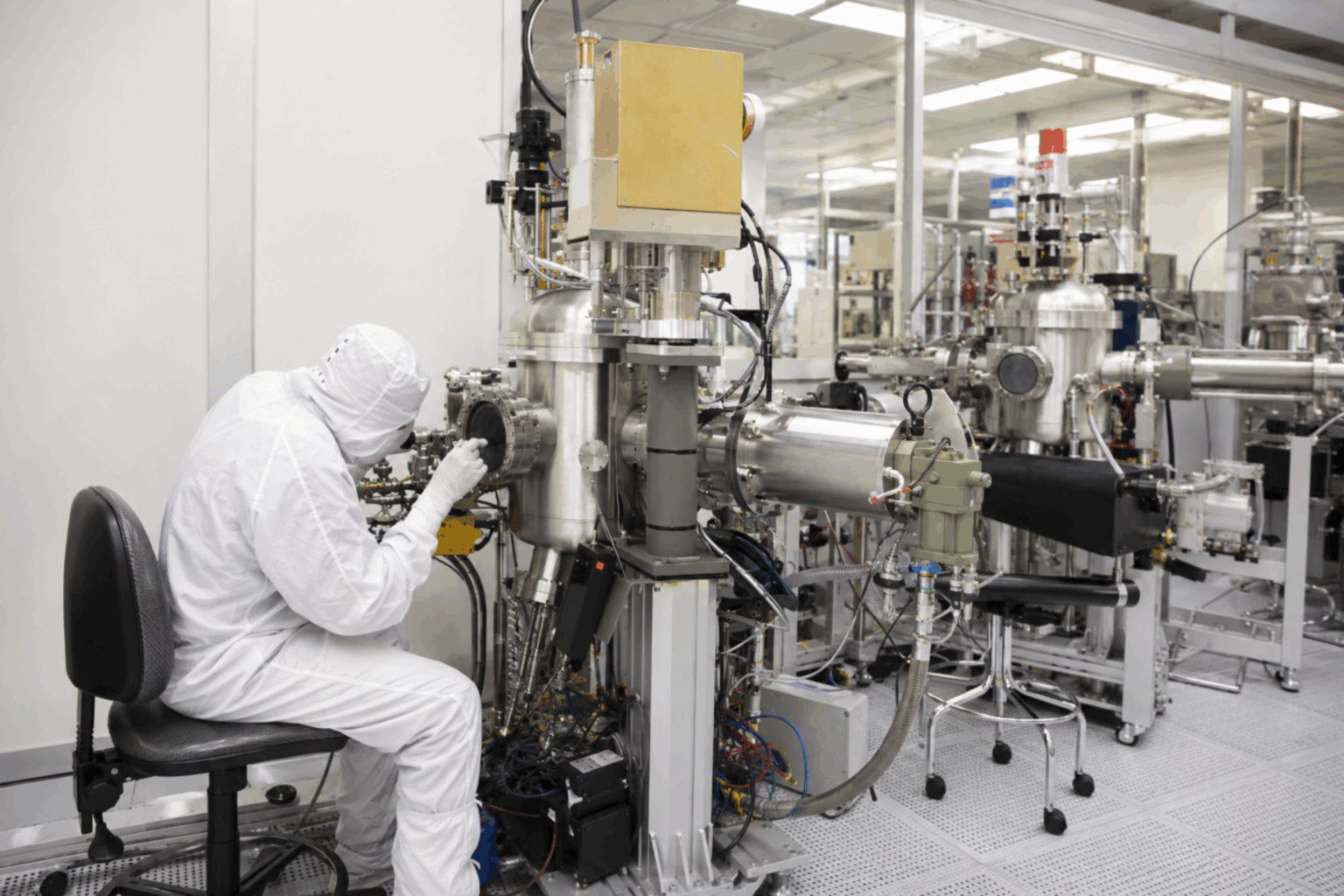
Quantinuum came together in 2021, the result of a merger between Honeywell Quantum Solutions and Cambridge Quantum. The company pitches itself as a full-stack quantum computing outfit—hardware, software, developer tools, and applications all under one roof, not just a single slice of the system. Over the past ten years, Quantinuum says it’s poured more than $2 billion into R&D.
Chief Executive Rajeeb Hazra, pitching to investors in the filing, said deployments by commercial and government customers suggest the opportunity here could be “as impactful as AI promises to be.” IPOX Chief Executive Josef Schuster told Reuters he’s not surprised by the timing, citing an open IPO window and growing investor appetite for quantum-linked companies—even in such a volatile sector. SEC
Quantinuum secured roughly $600 million in September 2025, landing a $10 billion pre-money valuation. Backers in the round featured Quanta Computer, NVentures, QED Investors, JPMorganChase, Mitsui, Amgen, Cambridge Quantum Holdings, Serendipity Capital and Honeywell. At the time, Honeywell CEO Vimal Kapur said Quantinuum was hitting its strategic, technical and commercial targets.
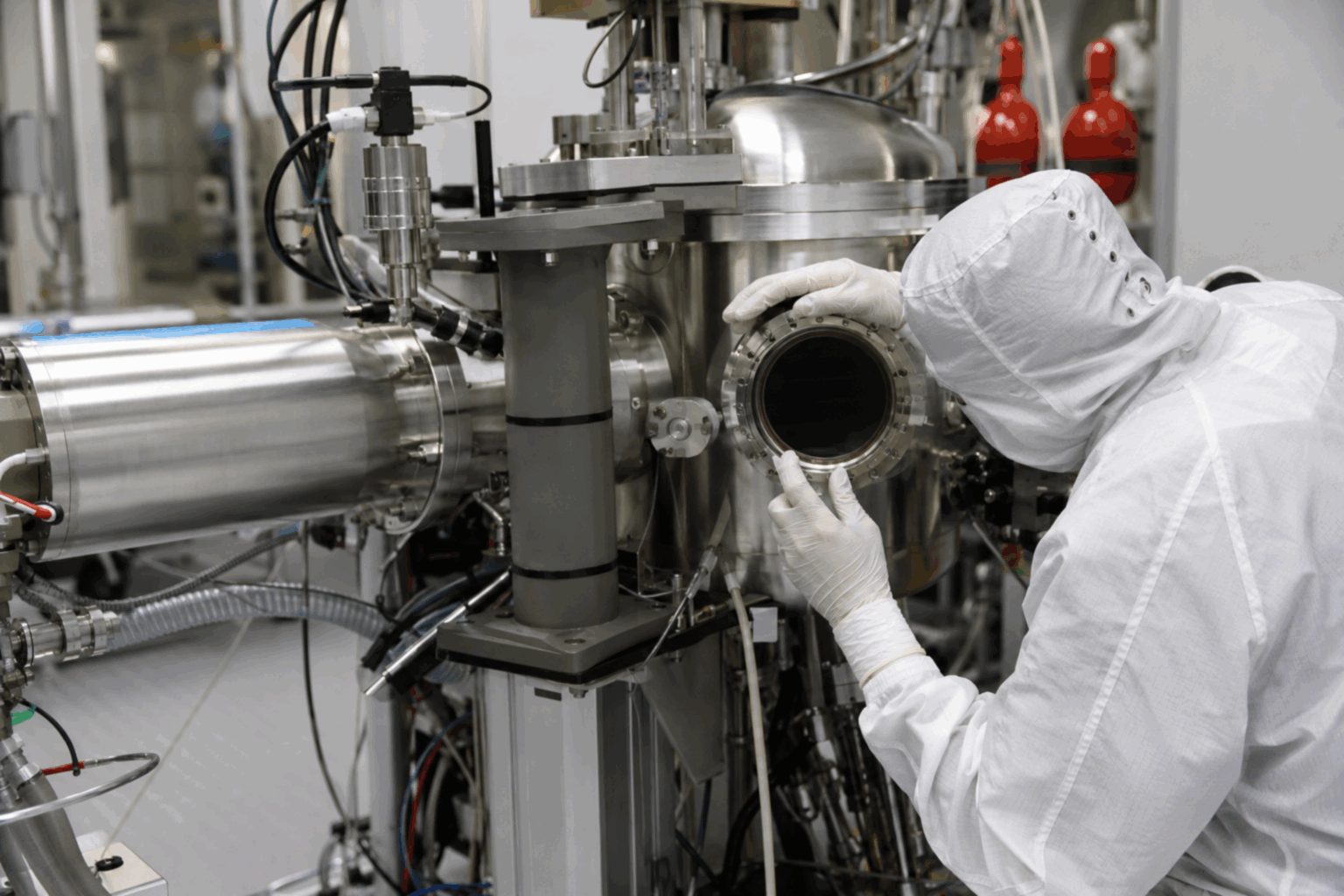
Rivals have money and ambition to spare. In its prospectus, Quantinuum listed Alphabet, IBM, and Microsoft as major players chasing quantum computing, warning that alternative designs might outperform its own trapped-ion setup. Those systems rely on electrically charged atoms—ions—confined by electromagnetic fields to serve as the core computing elements.
Quantinuum’s public valuation could end up falling short of what its private investors put on the table. The company itself flagged ongoing technical hurdles to building large-scale, fault-tolerant quantum machines, and projected continued losses until meaningful production and delivery of its systems begins. Honeywell added there’s no guarantee the IPO will go through—or what the terms would look like.
Honeywell’s plate gets fuller this year with the new filing. Back in April, the company logged first-quarter sales of $9.1 billion—a 2% bump—held firm on its 2026 guidance, and flagged a 7% jump in orders, pushing its backlog near $38 billion. Adjusted earnings per share climbed 11%. Reported earnings, though, took a hit from separation expenses, debt restructuring, and asset-impairment charges.
Honeywell last changed hands at $213.12, putting its market capitalization close to $135 billion. Shares slipped 1.38% from their previous close, according to the latest available data.
![UK Stock Market Today 24/08/2026 [UPDATE: 08:55 BST] [Gold Miners Cushion FTSE as AstraZeneca and Oil Majors Slide]](https://ts2.tech/wp-content/uploads/2026/08/UK-market-dashboard-2026-08-24-0855-480x384.jpg "UK Stock Market Today 24/08/2026 [UPDATE: 08:55 BST] [Gold Miners Cushion FTSE as AstraZeneca and Oil Majors Slide]")