
SEOUL, May 10, 2026, 02:02 KST
- Several major global tech companies are stepping up, proposing financial backing for SK hynix’s production lines and costly manufacturing equipment, all in a push to secure memory chip supplies.
- Why does this scramble matter? AI-driven data-center demand is tightening memory supplies across the board—servers, game consoles, smartphones, even PCs are all feeling the pinch.
- SK hynix has both cash and leverage, but if customers help fund expansion, future capacity and pricing could end up closely linked to just a handful of major buyers.
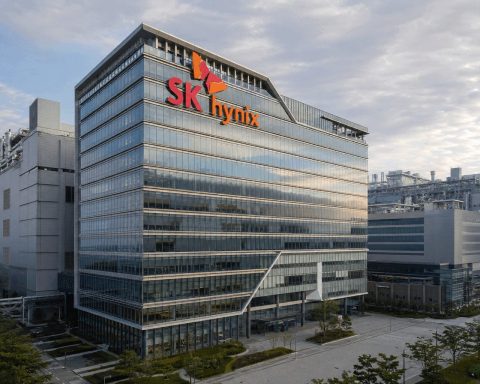
SK hynix Inc. is fielding a flood of investment proposals from heavyweight tech companies eager to secure access to its next-generation memory chip lines, sources close to the discussions told Reuters. These global players are pitching in funds for new production capacity and equipment, as AI-driven demand heats up and memory chips become a pinch point in the tech supply chain.
No routine back-and-forth here. Memory chips, which used to be just another cyclical commodity, have turned into a critical AI data center bottleneck. High-bandwidth memory—HBM—stacks DRAM chips, letting information zip between memory and AI processors at far higher speeds. SK hynix is among the rare companies that can deliver HBM at the volumes AI leaders need.
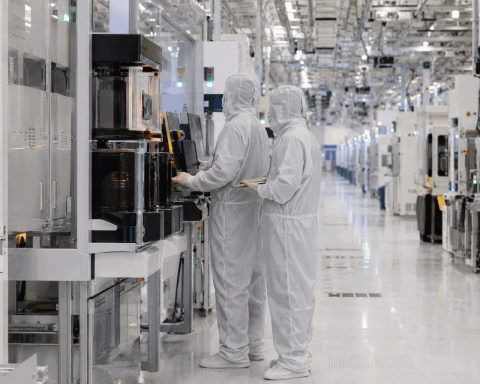
“Available capacity is essentially zero right now,” a source familiar with the situation told Reuters. Some customers are pitching deals to fund dedicated memory production lines and assist with purchases of ASML’s extreme ultraviolet lithography machines—equipment running hundreds of millions of dollars per unit, crucial for printing the minute chip circuits on silicon wafers. Reuters
SK hynix hasn’t identified which firms made the bids. No comment on the specifics of the contracts either. The company simply said it’s weighing “structural alternatives”—a departure from standard long-term supply agreements. Reuters
Industry insiders told Seoul Economic Daily that some proposals involve funding linked to the Yongin semiconductor cluster’s initial fab, Y1, as well as backing for ASML EUV gear acquisitions. Reuters noted it wasn’t immediately clear which global tech players are behind these offers.
No shortage of options for the company right now. SK hynix, reporting last month, posted first-quarter revenue of 52.5763 trillion won. Operating profit clocked in at 37.6103 trillion won, putting the margin at a hefty 72%. AI-driven sales lifted HBM, server DRAM modules with higher capacity, and enterprise SSDs.
On the earnings call, Ki Tae Kim—SK hynix’s head of HBM sales and marketing—said demand from clients looking to lock in HBM supply for the next three years “far exceeds our production capacity.” That’s the crux: customers aren’t just ordering chips anymore; they’re pushing to secure a spot in the expansion itself. Reuters
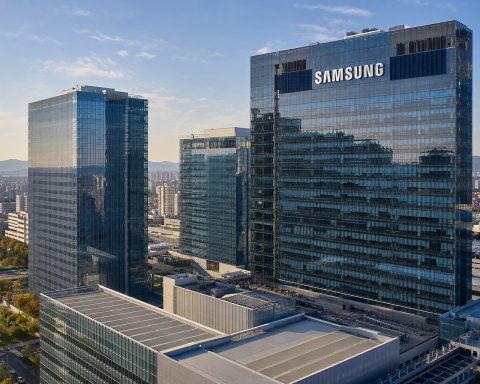
Samsung Electronics and Micron Technology remain the main competitors here. Reuters says both are pushing for multi-year supply deals with buyers. SK hynix, though, is in a stronger spot in HBM. According to Counterpoint figures cited by Reuters, SK hynix leads the HBM market with 57% share, and holds second place in DRAM at 32%.
Downstream buyers are already feeling the crunch. On Friday, Reuters noted that both Nintendo and Sony pointed to soaring memory prices hurting their gaming segments, with memory chip prices having doubled between quarters and set to climb up to another 63% this quarter. HSBC’s Kazunori Ito weighed in, calling the squeeze intense enough that “waiting for market conditions to improve is not a viable option.” Reuters
SK hynix shares finished Friday at 1,686,000 won, gaining 1.93%. The stock briefly hit 1,689,000 won—Google Finance notes that as the 52-week high. Earlier this week, the stock notched new records following announcements from U.S. tech firms about ramped-up AI data-center spending.
Customer cash isn’t free—there are always conditions. Reuters says SK hynix is hesitant about locking itself in with any one buyer or agreeing to deals that might later oblige it to sell chips at a discount. Suppliers face tough decisions on how to distribute their limited production without drawing regulators’ ire or looking like they’re picking favorites in the AI chip scramble. Building new lines is no quick fix; it’s at least a year before any extra output hits the market, so even with new funding, the immediate shortage remains.
Back in March, SK Group Chairman Chey Tae-won flagged the wafer crunch could drag on until 2030, pointing out AI’s huge appetite for HBM and the fact that it takes “four to five years” to ramp up wafer production. If that’s the case, SK hynix is now seeing Big Tech switch gears: rather than just haggling over memory prices, they’re stepping up with direct offers to help fund new fabs. Reuters
Related articles: KRX:000660




![UK Stock Market Today 29/08/2026 [UPDATE: 08:49 BST] [Weekly Recap + Week Ahead: Midcaps Lead Before Bailey and Gilt Auction]](https://ts2.tech/wp-content/uploads/2026/08/UK-market-dashboard-2026-08-29-0843-480x384.jpg "UK Stock Market Today 29/08/2026 [UPDATE: 08:49 BST] [Weekly Recap + Week Ahead: Midcaps Lead Before Bailey and Gilt Auction]")