NEW DELHI, March 12, 2026, 19:30 IST
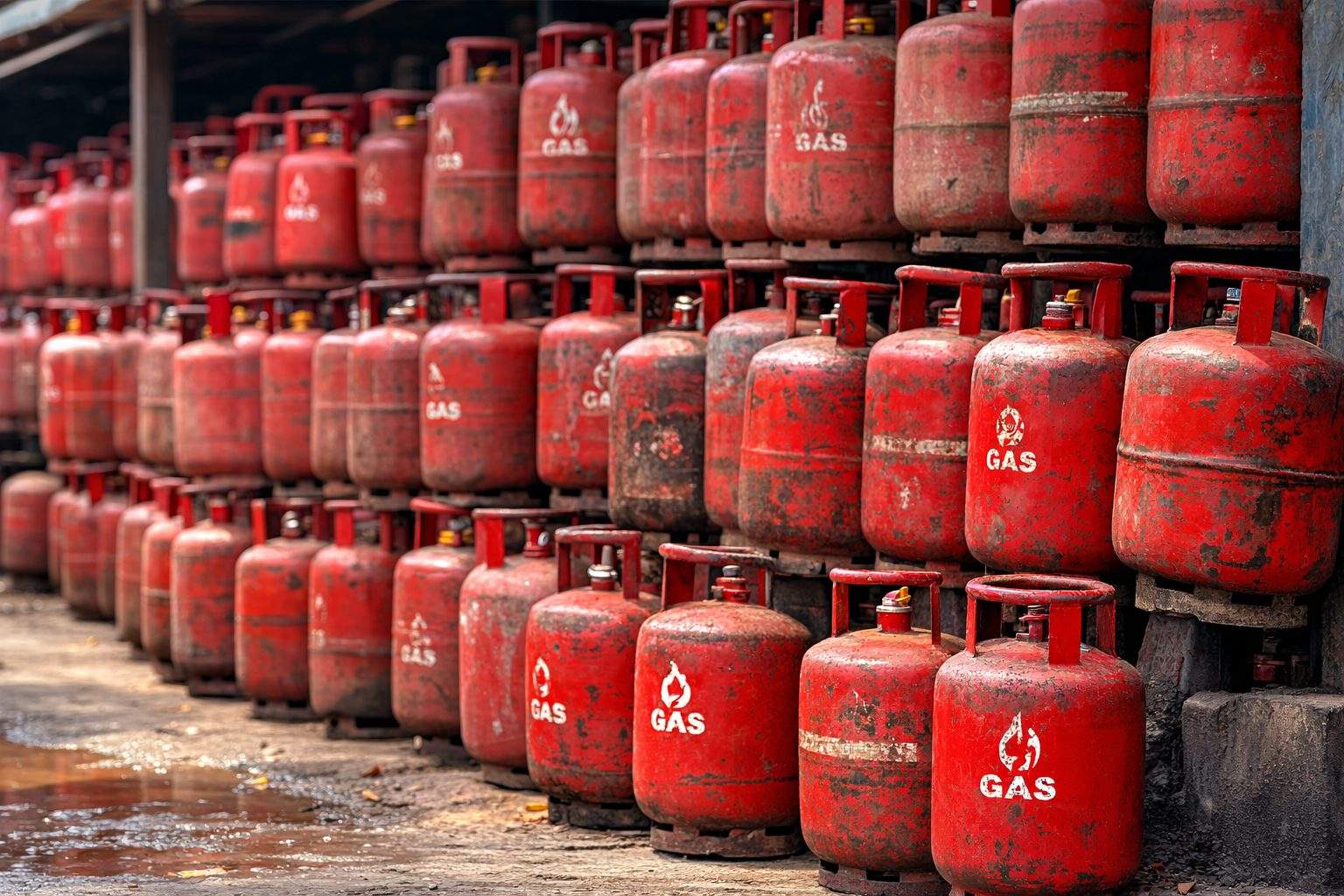
India rushed Thursday to line up emergency shipments of liquefied petroleum gas—LPG, the staple fuel for kitchens and eateries—from the US, Norway, Canada, and Russia. A war-fueled supply crunch in the Gulf left restaurant owners, hostels, and factory canteens slashing hot meal offerings. Oil Minister Hardeep Singh Puri said New Delhi exercised emergency powers, pulling commercial allocations to keep households covered. Reuters
The crunch isn’t limited to restaurant kitchens. Last year, India brought in around 60% of its LPG needs and close to 90% of its crude oil from abroad. That heavy reliance means any shipping snarl in the Strait of Hormuz—the Gulf’s key oil and gas artery—leaves the country vulnerable. Economists warn: if $100 oil sticks around, growth could take a hit and inflation might climb in the coming year. Reuters
India moved quicker to broaden its crude sources than it did with LPG. According to Puri, oil imports sourced outside the Hormuz region have hit 70%, yet Gulf countries were still supplying around 60% of the nation’s LPG before officials rushed to line up alternative shipments this week. Reuters
Trying to alleviate the strain, the environment ministry directed state pollution boards to allow restaurants and hotels to temporarily use biomass, kerosene, and coal for a month. Household deliveries, according to Puri’s statement in parliament, remained steady. He argued that widespread anxiety—rather than an actual supply crunch—was fueling panic, even as commercial LPG came under stricter controls aimed at preventing hoarding and black-market activity. Reuters
What’s on the menu is shifting fast. In New Delhi, a roadside eatery switched to rice and lentils only. Over at the Delhi High Court canteen, cooked dishes are out—sandwiches are all that’s left. Down south, Bengaluru’s paying guest hostels are running low, with just four or five days of gas left, according to Arunkumar DT of the Bengaluru PG Owners Welfare Association. Reuters
Households aren’t standing still. A slew of induction-stove models vanished from Amazon India, Flipkart, Blinkit and Zepto. Amazon reported sales for induction stoves had surged more than 30 times. Reuters
“There is a threefold surge,” said TTK Prestige CEO Venkatesh Vijayaraghavan, after the company ramped up production to full tilt. Online, models from Butterfly, Havells, and Bajaj Electricals quickly turned unavailable. Over in food service, Wow Momo and California Burrito reported they’re weighing induction stoves as a fallback. Reuters
Delivery apps might be facing trouble next. Karan Taurani, senior vice-president at Elara Capital, flagged that tight fuel supplies “could reduce restaurant operating capacity” and potentially leave around 28% of food-delivery sales by value at risk if shortages drag on. Platforms like Zomato and Swiggy, he said, could bear the brunt. On the flip side, pizza, burger, and fried-snack chains cooking mostly with electric equipment might capture a slice of the demand that slips away. Fortune India
There’s at least one pressure point easing. On Thursday, a Saudi oil tanker docked in Mumbai—the first Middle Eastern crude shipment to hit India’s shores since the war started in late February. An Indian government official also said Iran will let Indian-flagged tankers pass through Hormuz. Reuters
The start feels shaky. An Iranian source shot down talk of a formal safe-passage agreement, gas is still in short supply, and the State Bank of India warns that if oil stays at $100 for a year, growth could slip to 6.6% and inflation might push up to 4.1%—which could turn a kitchen-table shortage into a real drag on the wider economy. Reuters
Government officials in New Delhi insist household LPG supplies are safe, and there’s no threat yet to petrol, diesel, or liquefied natural gas deliveries. But the real pressure point looms if the Gulf shipping crunch drags on for weeks instead of days. That’s when commercial kitchens, small factories, and delivery services, all pulling from the same limited fuel reserves, could face much tighter conditions. Reuters