
Mumbai, April 28, 2026, 14:16 IST
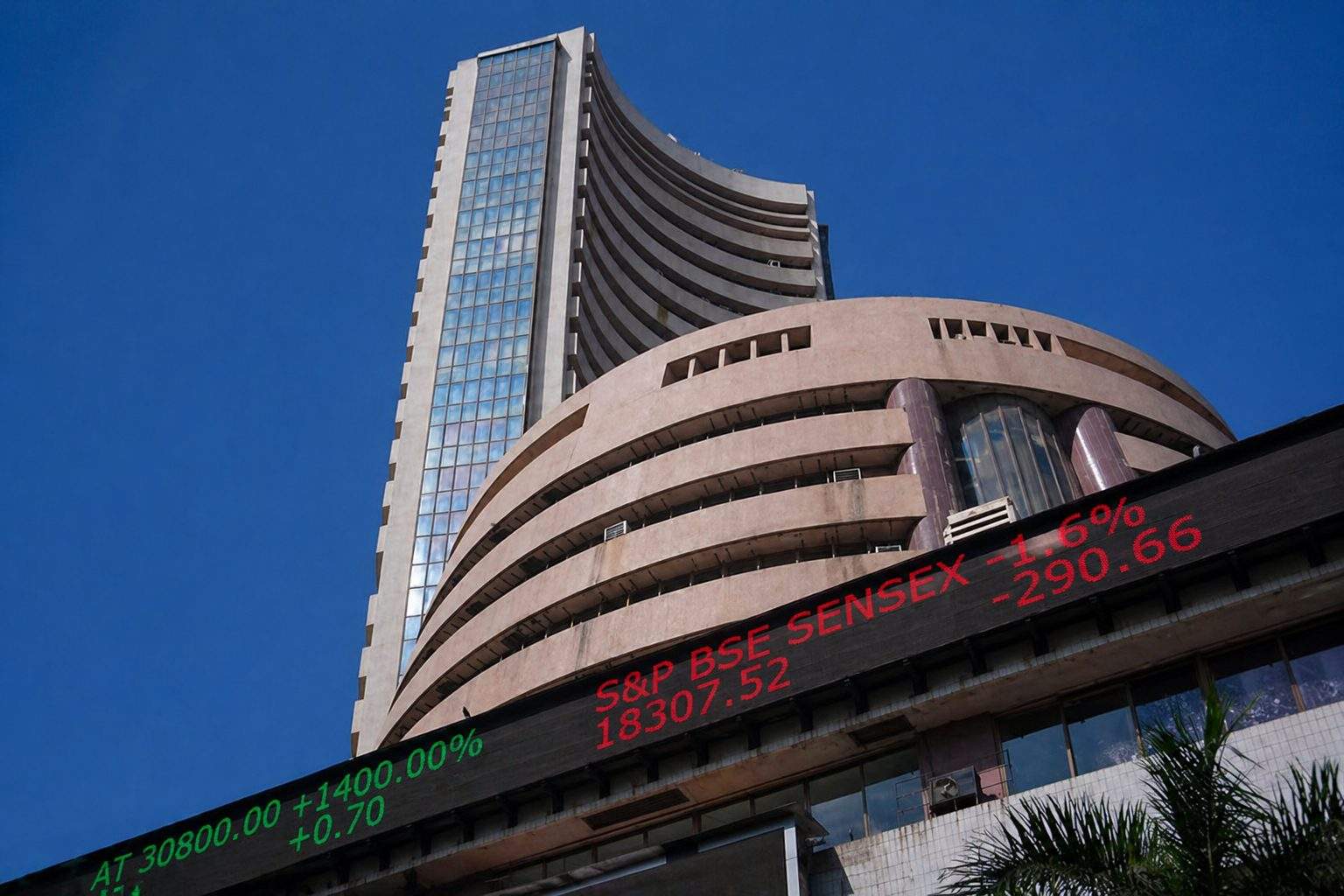
- By 2 p.m., the Sensex slipped roughly 359 points to 76,944.91, while the Nifty 50 lost 86 points at 24,006.70.
- State-run banks took the brunt after the RBI locked in fresh expected credit-loss guidelines for lenders.
- Shares of Coal India, ONGC, and Oil India climbed on solid earnings and steady crude prices, though these advances weren’t enough to lift the broader market.
Indian equities moved lower by afternoon Tuesday, with the Nifty 50 hovering near 24,000 as losses in bank stocks overshadowed gains in energy and metals. By 2 p.m. IST, the Sensex had dropped 358.72 points, or 0.46%, sitting at 76,944.91. The Nifty declined 86 points, or 0.36%, to 24,006.70, according to Moneycontrol.
That reversal cut short Monday’s bounce, making clear that investors remained quick to cash out on any rally, with oil prices and tighter bank regs still muddying the short-term outlook. Breadth lagged too: as of 2 p.m., just 1,741 stocks were up, while 2,060 had dropped, according to the report.
After a volatile start, the pressure kicked in. Earlier, Reuters noted the Nifty and Sensex bounced within a roughly 0.4% band, flipping between red and green. Both indexes managed a short-lived uptick as Coal India rallied after its results, joined by gains in upstream energy stocks.
Banks dragged this session, with the Nifty PSU Bank index slipping 1.94% at 2 p.m., according to Moneycontrol data. Nifty IT and Nifty Auto were also in the red. On the upside, Nifty Energy climbed 0.88% and Nifty Metal added 0.38%, helping put a floor under the main indices.
The Reserve Bank of India on Monday set April 1, 2027, as the start date for updated rules on asset classification and provisioning at banks. The new expected credit loss (ECL) framework shifts provisioning to a forward-looking approach, asking lenders to set aside buffers for anticipated losses before loans sour—potentially increasing reserves in the short term.
Shares of Canara Bank, Union Bank of India, and several other state-run banks slipped as much as 2.5% after the central bank shot down appeals for an extension on the shift to the ECL-based provisioning framework, Moneycontrol reported.
Coal India stood out. Shares climbed after the company posted a 12% jump in consolidated profit after tax to 109.08 billion rupees, with revenue up 6% to 464.90 billion rupees, according to The Economic Times. Jefferies and Motilal Oswal reiterated their “buy” calls, while Morgan Stanley and HSBC maintained more reserved views, sticking to hold recommendations. The Economic Times
Energy stocks picked up, boosted by crude prices holding firm. According to Reuters, ONGC and Oil India saw early gains; upstream producers like these typically benefit from pricier crude, as it supports better realisations and stronger earnings.
Oil remains the bigger worry. Brent crude’s hanging around $109 per barrel, and the U.S.-Iran standoff isn’t budging, Reuters said. “Trump is unlikely to accept the proposal without a halt to Iran’s nuclear programme,” according to Devarsh Vakil, head of prime research at HDFC Securities. He pointed to scrapped top-level diplomatic visits, which have pulled expectations for any quick fix even lower. Reuters
Technical analysts focused on the same tight range. Gaurav Udani, who runs ThinCredBlu Securities, told Moneycontrol that Nifty’s support sits at 23,900–24,000, while resistance is clustered up at 24,200–24,300, a spot where he says selling pressure could show up.
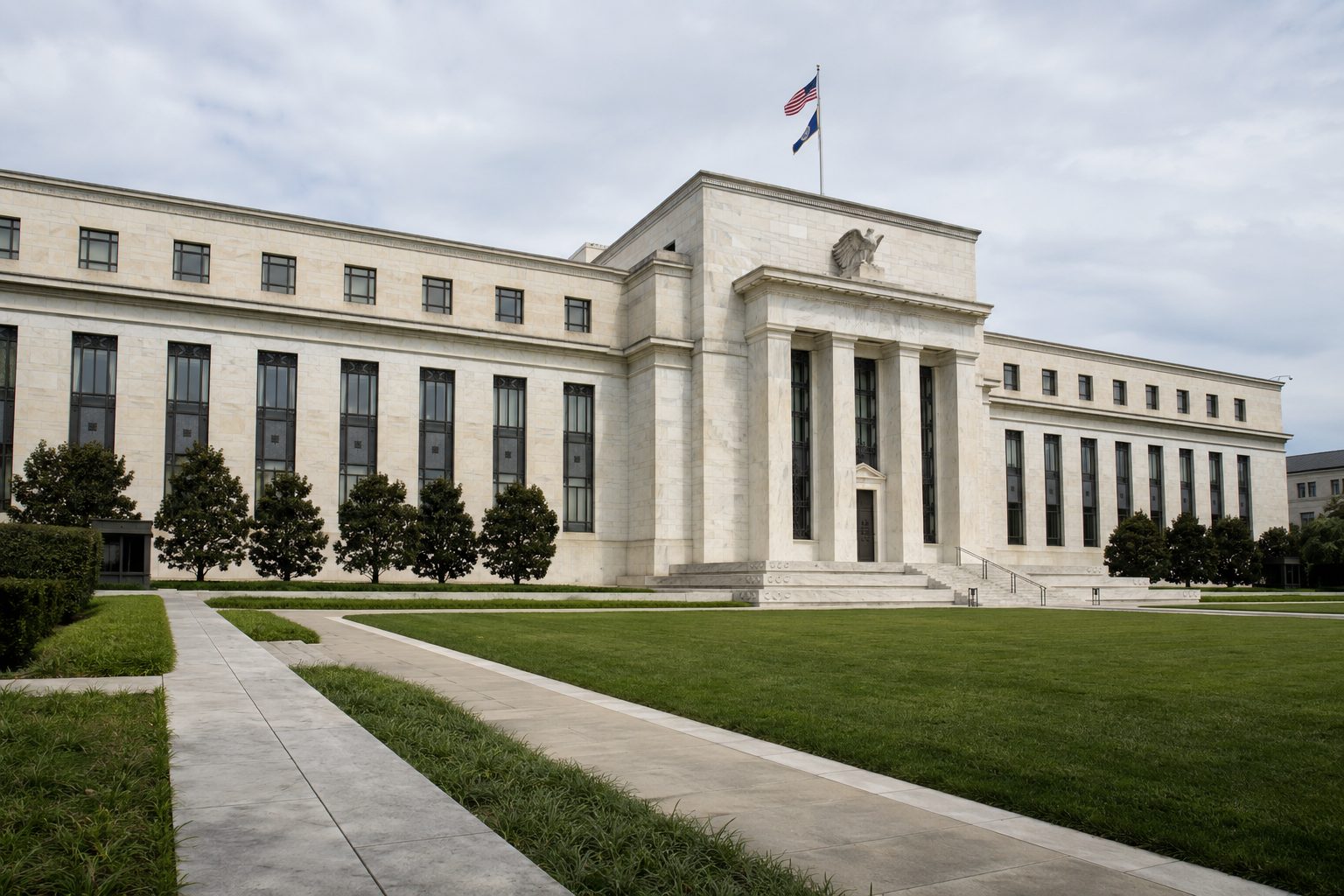
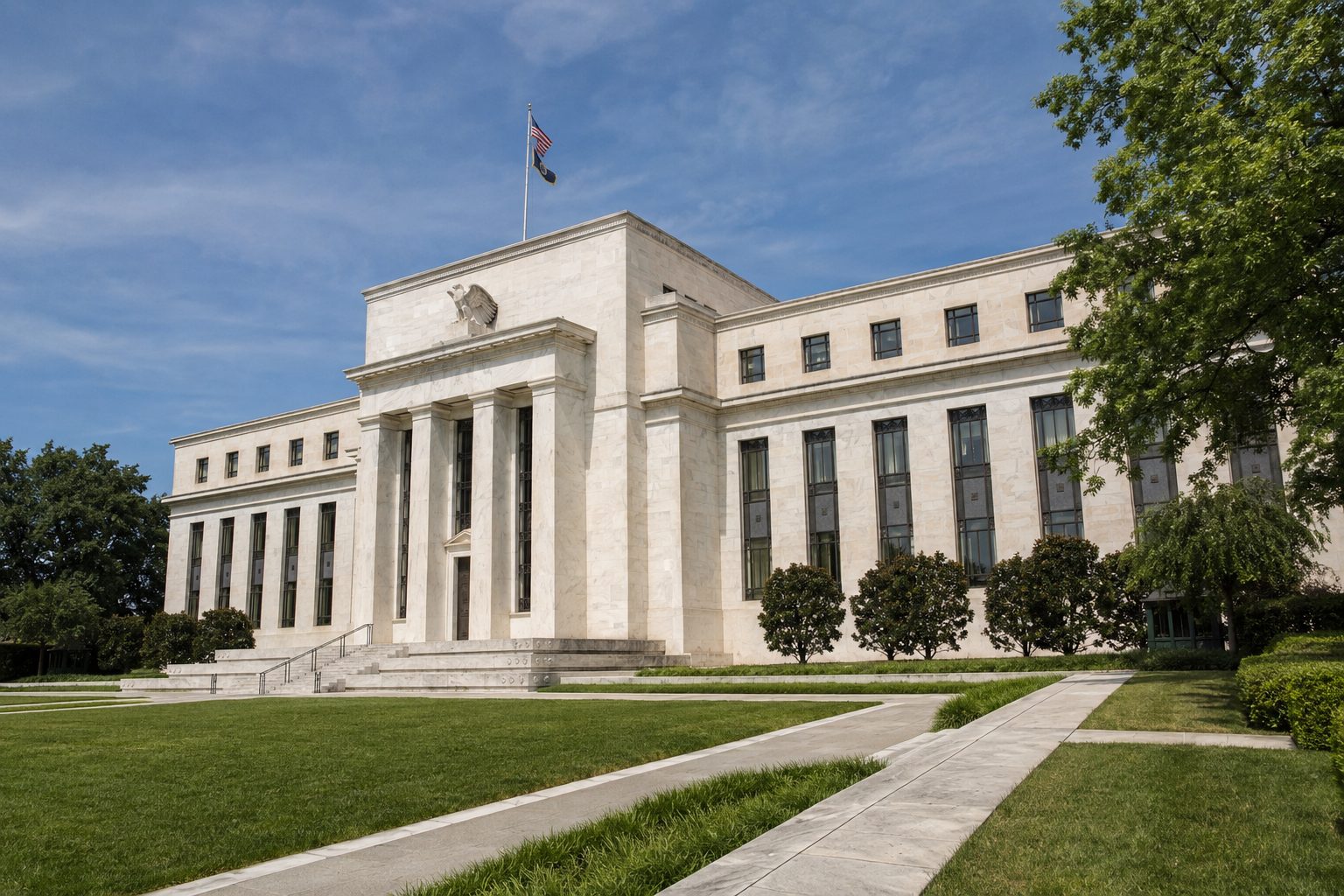
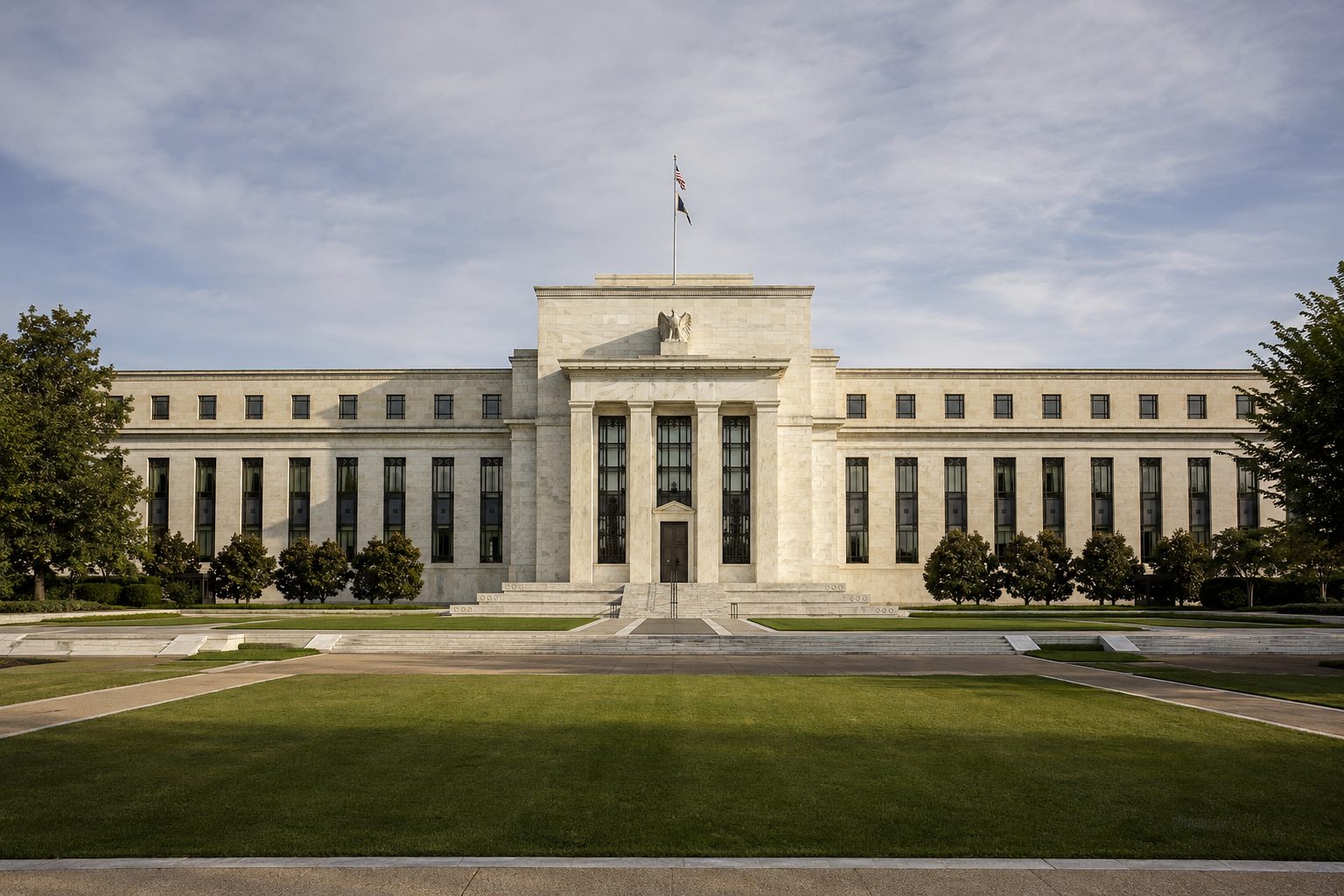
Currency swings complicated matters further. Jateen Trivedi, vice-president and research analyst for commodity and currency at LKP Securities, flagged the rupee’s path as hinging on both dollar strength and overseas investor activity. The Federal Reserve’s decision stands out as a primary global catalyst. He’s looking for the rupee to trade in a volatile 93.75 to 94.50 band.
The downside? Pretty clear: if oil prices don’t ease off and foreign investor appetite keeps lagging, banks could face fresh provisioning concerns, which might quickly trigger wider questions about earnings. HSBC trimmed its view on Indian stocks to “underweight” just last week, warning that Brent above $100 spells trouble for inflation and growth in India—the world’s No. 3 oil importer. The bank estimates a 20% jump in crude would shave 1.5 percentage points off projected 2026 earnings growth. Reuters
Related articles: Stock Market