
DUBAI, March 4, 2026, 10:52 (GST)
- Iran’s Revolutionary Guards declared “complete control” over the Strait of Hormuz, issuing a warning that ships in the area could come under attack.
- Oil and gas prices surged after a slowdown in tanker traffic left Gulf producers hurriedly searching for alternatives.
- Analysts warn Asia and emerging markets could take the hardest hit if the disruption persists.
Iran’s Revolutionary Guard Navy claims it has “complete control” over the Strait of Hormuz, warning ships in the area they could face missile or drone attacks as tensions mount around the crucial Gulf energy route. On Tuesday, U.S. President Donald Trump said the U.S. Navy stands ready to escort oil tankers moving through the strait. The Times of Israel
About 20% of the world’s oil and LNG—gas chilled to liquid form for ocean transport—moves through the Strait of Hormuz, that narrow corridor linking the Gulf and the Gulf of Oman. This week’s fighting squeezed supplies and sent prices higher. Brent crude popped 4.7% to finish Tuesday at $81.40 a barrel.
That surge in energy prices is hitting the largest fuel importers first. Analysts are pointing to the risk of weaker currencies and ballooning trade deficits in emerging markets. According to ING, countries like Thailand, South Korea, Vietnam, Taiwan, and the Philippines are particularly vulnerable.
J.P. Morgan flagged that oil flows from Iraq and Kuwait might begin shutting down in just days if the strait stays blocked, with as much as 3.3 million barrels per day potentially offline by the eighth day of fighting. Two Iraqi oil officials, speaking to Reuters, said Iraq alone could end up slashing output by over 3 million bpd if tankers can’t access its ports.
Trump said he’s directed the U.S. International Development Finance Corporation to back maritime trade in the Gulf with political risk insurance and financial guarantees. He again floated the idea of naval escorts, posting on social media, “No matter what, the United States will ensure the free flow of energy to the world.” Shipping sources, however, cast doubt on whether escorts can actually reduce risks as long as fighting persists. Reuters
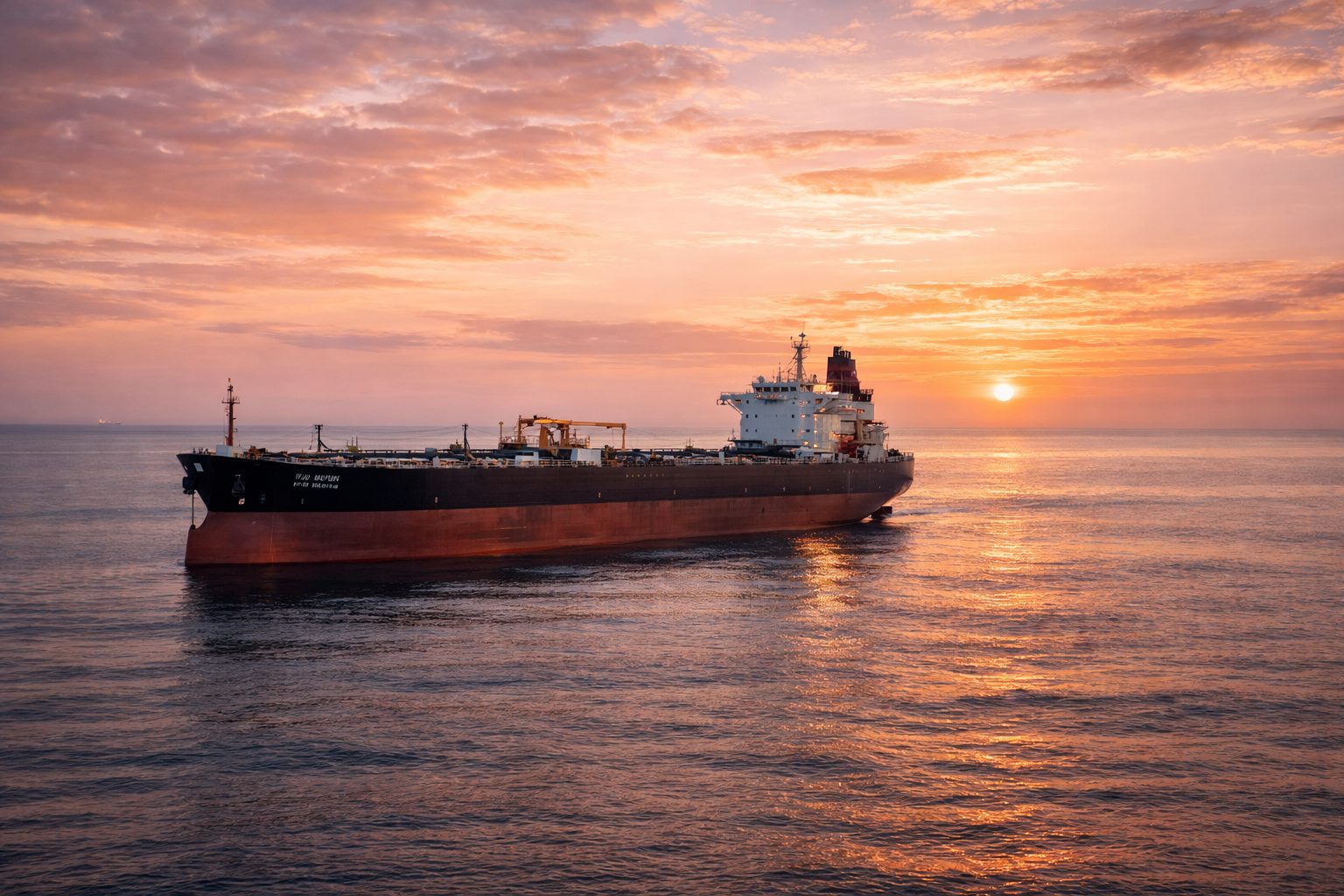
Shipping data points to a notable drop in vessel traffic. The Suezmax tanker Pola slipped through the Strait of Hormuz on Tuesday, making a rare passage. The ship switched off its AIS transponder as it neared the strait, only to pop back up on tracking systems off Abu Dhabi. Two trade sources told Reuters the Pola was going to load Murban crude, with Thailand as its destination.
Gulf producers are hunting for workaround routes, but spare capacity remains scarce. Saudi Aramco has directed some customers to pick up cargoes at the Red Sea’s Yanbu port to sidestep Hormuz entirely. Richard Bronze, co-founder of Energy Aspects, flagged “logistical trade-offs”—not least, the speed at which Yanbu can get tankers moving. Reuters noted at least one spot rate from Yanbu more than doubled. Reuters
The disruption is now hitting the core pricing systems for oil trading. S&P Global Platts announced it will look at different routes for Middle East freight assessments—benchmarks critical to physical oil contracts. The company also pulled the plug on bids and offers for some Middle East crude, refined products, and LNG assessments that usually depend on Hormuz passage.
Outside the energy sector, economists are eyeing the potential fallout for investment and central bank moves. JPMorgan’s Joseph Lupton flagged the danger: “This nascent recovery is now at risk.” For Tim Duy at SGH Macro Advisors, the conflict is “a wild card” for both inflation and what the Federal Reserve decides to do. Reuters
Scale is the sticking point. According to EIA figures, oil shipments passing through Hormuz hit around 20 million barrels per day in 2024—that’s close to a fifth of the world’s petroleum liquids demand. The agency also noted that roughly 20% of global LNG trade moved through the strait in 2024, most of it coming out of Qatar.
Time remains the wild card—both the length of shipping disruptions and the speed of restoring export flows are in focus. Wood Mackenzie flagged the risk of oil prices topping $100 a barrel if tankers don’t get moving soon. “The key question is when do vessels re-establish export flows,” analyst Alan Gelder said. Wood Mackenzie
At the moment, most owners aren’t moving. According to a Reuters analysis, a number of tanker operators, oil majors, and trading firms have halted shipments through Hormuz. “Our ships will stay put for several days,” one executive told Reuters, as the sector assesses the risk of additional attacks along the route. Reuters
Related articles: NYSE:JPM