
New York, June 6, 2026, 17:04 (EDT)
- Johnson & Johnson ended Friday at $232.77, gaining 2.02%. The SPDR S&P 500 ETF Trust gave up 2.61%.
- Healthcare stocks outperformed. The Health Care Select Sector SPDR ETF added 0.61%. Pfizer and Merck were also higher.
- J&J is set for a dividend payout next week on June 9, the same day it speaks at the Goldman Sachs healthcare event.
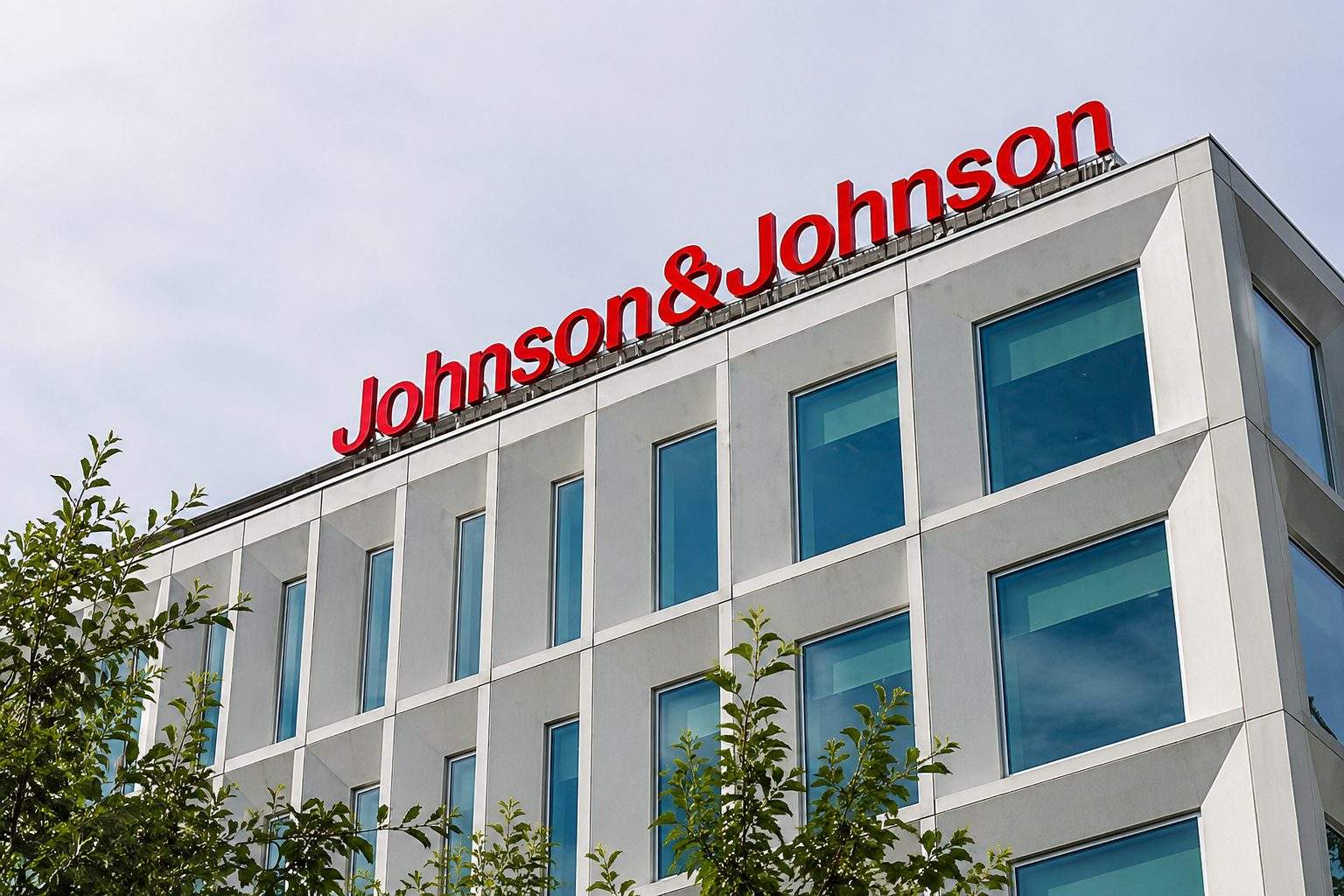
Johnson & Johnson heads into the week with less clutter than much of the Street. Shares gained 2.0% to $232.77 on Friday, while most stocks sank. The last regular session wrapped up at 4:00 p.m. New York time on June 5. With markets closed Saturday, that $232.77 is the number investors see.
Johnson & Johnson went against the market on Friday. The S&P 500 lost 2.6% and the Nasdaq slid 4.2% as rate fears pressured growth stocks, according to Investor’s Business Daily. J&J gained as investors rotated into healthcare and defensive names — shares seen as safer from economic swings.
J&J led gains among big pharma names as the Health Care Select Sector SPDR ETF rose 0.6%. Pfizer finished up 1.4% and Merck added 0.5%. J&J’s move was stronger, hinting Friday’s buying wasn’t just about the sector ETF or blanket moves in the group.
Company developments rolled in too. On Friday, a Los Angeles jury found for J&J in a suit from families of three women who said its talc products led to ovarian cancer. The jury found the company wasn’t negligent in selling the cosmetic talc, Reuters said.
But risk remains for J&J. Reuters said over 67,000 people have sued J&J over its talc. Verdicts so far have been mixed. At the same time, J&J is dealing with Stelara losing its patent and facing biosimilar rivals. Stelara sales dropped around 60% in Q1, Reuters said.
J&J’s numbers are better than that risk would suggest. The company put up $24.1 billion in first-quarter sales, a gain of 9.9%. Adjusted EPS came in at $2.70. It bumped its 2026 forecast to $100.8 billion in reported sales at the midpoint, with adjusted earnings of $11.55 a share.
Joaquin Duato, CEO, said the company had a “strong start to 2026” and cited fresh approvals for Icotyde in plaque psoriasis and Varipulse Pro in Europe. For shareholders, it’s all about J&J finding new drugs and devices to make up for the Stelara decline. Johnson & Johnson Investor Relations
J&J leaders say the switch is happening now. CFO Joseph Wolk told Reuters that patients are opting for Tremfya over Stelara biosimilars. J&J’s Jennifer Taubert said Icotyde had a “very fast start” and could become “one of our biggest products.” Reuters
Pipeline developments were in focus last week. J&J said June 3 that its drug nipocalimab hit its main goal in a Phase 2 lupus trial, which is the step before larger approval studies. Richard Furie, Northwell’s chief of rheumatology, described the 52-week data as “encouraging.” JNJ.com
Nipocalimab, an FcRn blocker aiming to lower autoantibodies, is in the spotlight again. J&J said new Phase 2 data in Sjögren’s disease patients showed higher response rates for those with raised autoantibody and IgG levels—patients usually dealing with more severe symptoms.
J&J management faces questions Tuesday at the Goldman Sachs 47th Annual Global Healthcare Conference, set for June 9. The team is slated for a fireside chat at 10:00 a.m. Eastern. Investors will want updates on drug launches, MedTech trends and the company’s take on ongoing litigation.
J&J will pay its next quarterly dividend of $1.34 per share on June 9 to shareholders who were on record as of May 26. In April, the company bumped up the payout by 3.1%, its 64th consecutive annual increase. That dividend streak helps support the stock, but it won’t protect investors if earnings or trial results fall short.