
New York, May 3, 2026, 13:04 EDT
Keel Infrastructure Corp. is heading into its first earnings test under the KEEL ticker with its shares holding Friday’s gain and analysts now framing the former Bitfarms business as an AI data-center infrastructure play. KEEL closed at $3.09 on Nasdaq, up 1.98%, as of 8 p.m. EDT on May 1, Bloomberg data showed.
That matters now because the company’s May 11 first-quarter report will be the first clean read for investors since Bitfarms completed its move into Keel’s U.S.-listed structure. Management is due to hold a call at 8 a.m. Eastern that day; first-quarter materials will be posted before the call, the company said.
There is another clock running. Keel said Chief Executive Ben Gagnon and Chief Financial Officer Jonathan Mir will present the next day at Needham’s Technology, Media & Consumer Conference in New York, giving investors a second forum to press for details on leases, funding and site timing.
The stock has picked up fresh analyst attention. A May 3 article citing TheFly said Chardan’s Bill Papanastasiou began coverage with a Buy rating and a $4.50 price target, while grouping Keel with Galaxy Digital and Riot Platforms as companies moving power assets toward high-performance computing, or HPC — data-center capacity used for heavy AI and technical workloads. Chardan said investors had “only begun to scratch the surface” of AI-driven demand. Insider Monkey
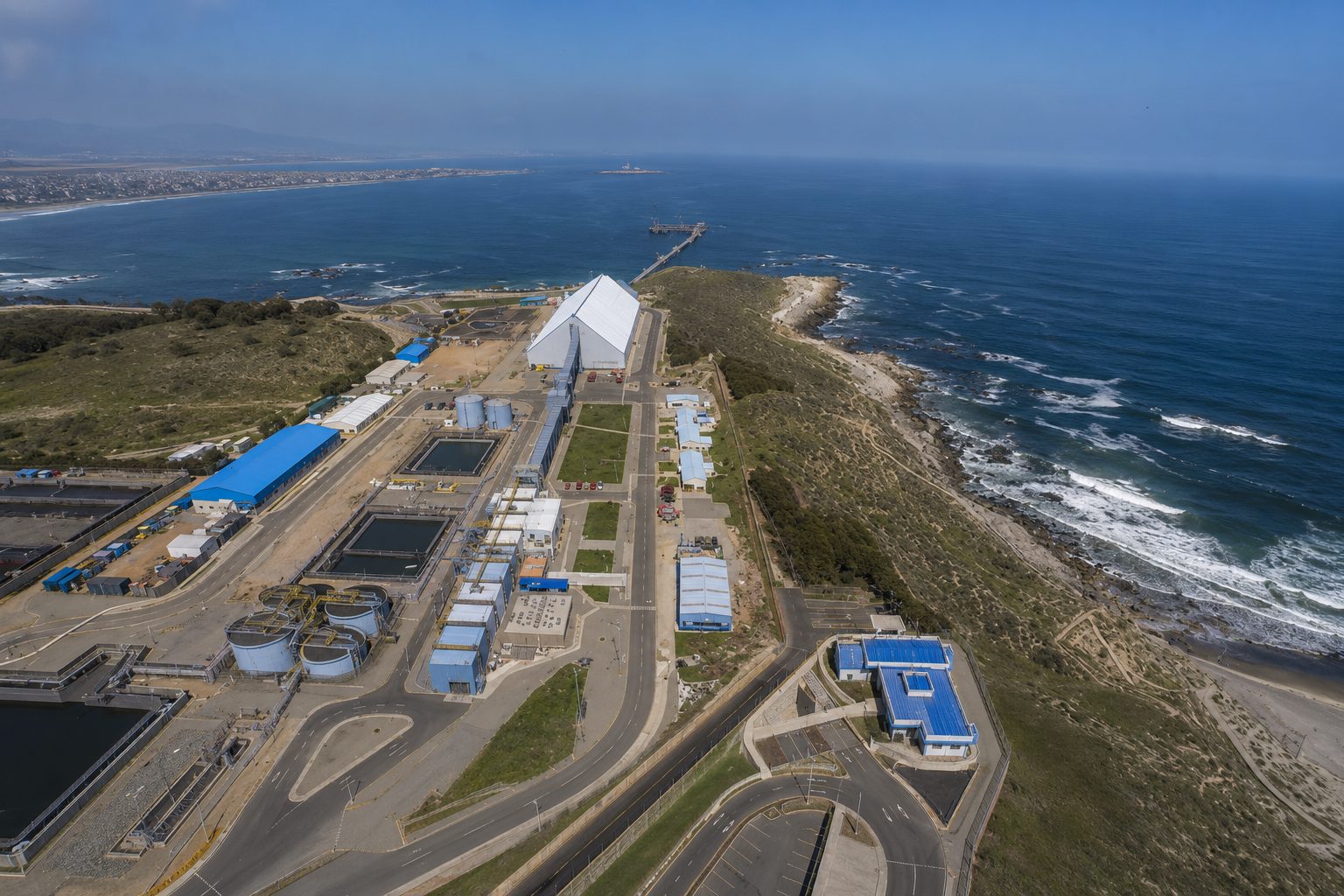
Keel’s case is built on power, not software. The company says it has a 2.2-gigawatt pipeline, including 341 megawatts of energized capacity, 430 megawatts of secured capacity and 1.5 gigawatts of expansion capacity; a gigawatt is a measure of power capacity, and in data centers it often dictates how much computing equipment a site can support.
The restructuring was more than a name change. An SEC filing said Bitfarms completed a U.S. redomiciliation on April 1, with shareholders exchanging Bitfarms shares for shares of Keel Infrastructure Corp., a newly formed Delaware company. Keel’s common stock is listed on Nasdaq and the Toronto Stock Exchange under KEEL.
The financial base is mixed. For 2025, the company reported $229 million in revenue, up 72% from a year earlier, but a $209 million loss from continuing operations. It also said it had about $520 million of liquidity as of March 27, made up of $359 million in unrestricted cash and $161 million in unencumbered Bitcoin.
Keel has also been cleaning up the old footprint. On April 22, it closed the sale of its 70-megawatt Paso Pe site in Paraguay for about $13 million after adjustments, down from an originally agreed price of up to $30 million. Gagnon called it the “end of a chapter” and said Keel now had a fully North American portfolio. Keel Infrastructure
The competitive context is tight. Chardan’s comparison with Galaxy Digital and Riot Platforms points to a narrow group of former or current crypto-linked power owners trying to win AI and HPC tenants before larger data-center rivals lock up grid access and long-duration leases. In that market, cheap power and interconnection rights can matter as much as the buildings themselves.
But the pivot still has to be executed. Keel’s own prospectus warned that investing in its securities carries risks and said delays, cost overruns, financing needs, competition, regulatory limits and other uncertainties could hurt its business and share price. The company also remains tied to legacy Bitcoin mining while it develops HPC sites.
The May 11 report will therefore be judged less on the old mining numbers and more on what management says about leasing talks, capital spending and the timeline for sites in Pennsylvania, Washington and Quebec. The market has heard the AI-infrastructure story. It now wants dates, customers and costs.
Related articles: NASDAQ:KEEL

![US Stock Market Today 08/23/2026 [UPDATE: 08:13 EDT] [Nvidia and PCE Face a Bond-Stressed Market: Weekly Recap and Week Ahead]](https://ts2.tech/wp-content/uploads/2026/08/US-market-dashboard-2026-08-23-0810-480x384.jpg "US Stock Market Today 08/23/2026 [UPDATE: 08:13 EDT] [Nvidia and PCE Face a Bond-Stressed Market: Weekly Recap and Week Ahead]")