
NEW YORK, May 3, 2026, 1:03 PM EDT
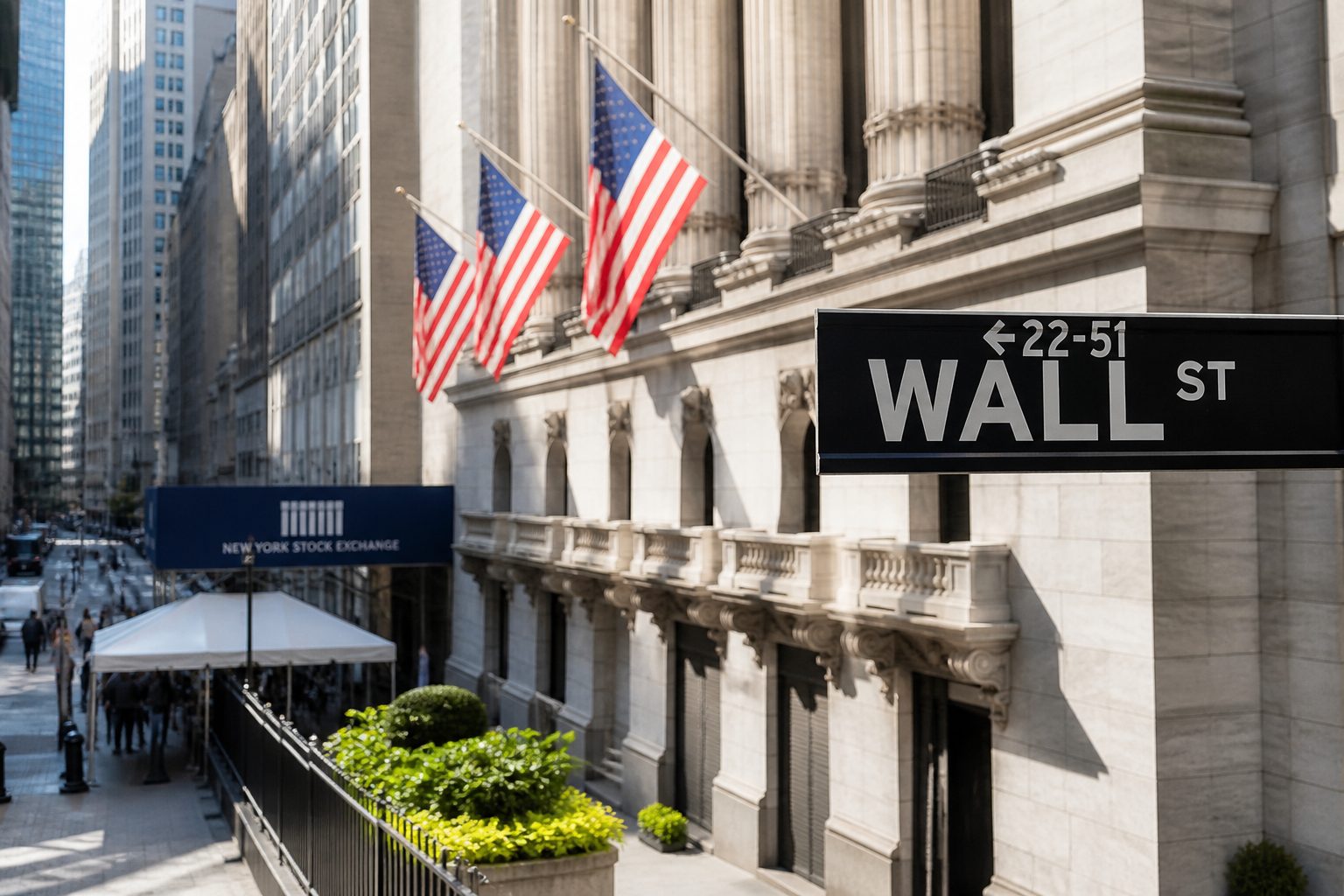
Wall Street heads into the week of May 4 with both the S&P 500 and Nasdaq sitting at fresh record closes, leaving Friday’s April payrolls report and a fresh batch of earnings set to challenge a rally driven by tech outperformance. On Friday, the S&P 500 and Nasdaq closed higher, but the Dow edged down after a flood of earnings reports helped investors set aside concerns about oil prices, at least for now.
The reason it matters right now? The bounce back has been quick. The S&P 500 climbed over 10% in April, with the Nasdaq up more than 15%. Both saw their strongest month since 2020, according to Reuters. That kind of rally narrows the margin for error—there’s little cushion left if labor data disappoints, megacap earnings falter, or bond yields spike again.
The Federal Reserve remains a key source of tension. Last week, it left its target range at 3.5% to 3.75%. Notably, three officials objected to maintaining an “easing bias” in the statement — that’s marketspeak for signaling a stronger tilt toward future rate cuts over hikes. The disagreement underscored just how much policymakers are being pulled by competing forces: sticky inflation, volatile oil prices, and moderating job growth. Federal Reserve
Friday’s session ended with the Dow slipping 152.87 points, or 0.31%, to 49,499.27. The S&P 500, though, managed to add 21.11 points, or 0.29%, closing at 7,230.12. It was the Nasdaq that stood out, up 222.13 points, or 0.89%, finishing at 25,114.44. Brent crude wrapped up at $109.20, with the 10-year Treasury yield holding near 4.37%, according to Reuters’ U.S. markets page.
Earnings are still the bright spot for the bulls. Over 100 S&P 500 firms are set to release results this week, with first-quarter profits running 27.8% above last year’s pace as of Friday, LSEG figures show, according to Reuters. Palantir, Advanced Micro Devices, Disney, and McDonald’s headline the list.
Investors haven’t just chased profit growth—they’re weighing it carefully. Angelo Kourkafas, senior global investment strategist at Edward Jones, notes “fast-rising profits” are up against the drag from oil prices and bond yields. He sees the market headed for what he calls a “pull and push” stretch. Reuters
Investors are watching individual tech names for moves. Alphabet climbed, fueled by robust cloud-computing numbers, but Microsoft and Meta slipped on earnings that failed to impress. Over in software, Atlassian jumped after a guidance hike. Salesforce and ServiceNow headed higher, too.
This week, attention shifts over to the consumer sector. Results are lined up from Disney, Marriott, Airbnb, Restaurant Brands, McDonald’s, and Wendy’s—Investopedia flagged those names as a read on demand in travel, food, and leisure. Berkshire Hathaway, meanwhile, reported over the weekend that tougher economic conditions have dragged on consumer-facing businesses such as RVs, apparel, and toys.
The nonfarm payrolls release lands at 8:30 a.m. ET Friday. According to the Labor Department, the April jobs numbers will be out on May 8; last month, payrolls climbed by 178,000, with unemployment at 4.3%.
Fed officials are tracking the same figures. On Saturday, Chicago Fed President Austan Goolsbee called the latest inflation numbers “bad news,” stressing that policymakers need greater confidence inflation is heading for the Fed’s 2% goal. Goolsbee pointed out the inflation mix “doesn’t look good,” noting March personal consumption expenditures inflation ran at a 3.5% clip. Reuters
There’s a chance the week’s numbers don’t come in clean. Brent crude shot past $120 last week, then slipped; Treasury yields have already climbed higher. If payrolls come in soft, that could stoke fresh growth fears, especially with sticky inflation tying the Fed’s hands on rate cuts. “With each passing day, the economic risk grows,” said Jeff Buchbinder, chief equity strategist at LPL Financial. Reuters
A quick credit-market note: Fed Governor Michael Barr told Bloomberg News, as reported by Reuters, that turmoil in private credit could trigger “psychological contagion” and potentially cause a wider “credit pullback.” So far, this hasn’t stolen the spotlight from the main market narrative. Still, after stocks’ record stretch, investors are primed to latch onto risks like this. Reuters
Related articles: NASDAQ:AMD



![Australia Stock Market Today 23/08/2026 [UPDATE: 08:38 AEST] [Healthcare Surge: Weekly Recap and Week Ahead]](https://ts2.tech/wp-content/uploads/2026/08/AU-market-dashboard-2026-08-23-0843-480x384.jpg "Australia Stock Market Today 23/08/2026 [UPDATE: 08:38 AEST] [Healthcare Surge: Weekly Recap and Week Ahead]")