
London, June 11, 2026, 00:01 BST
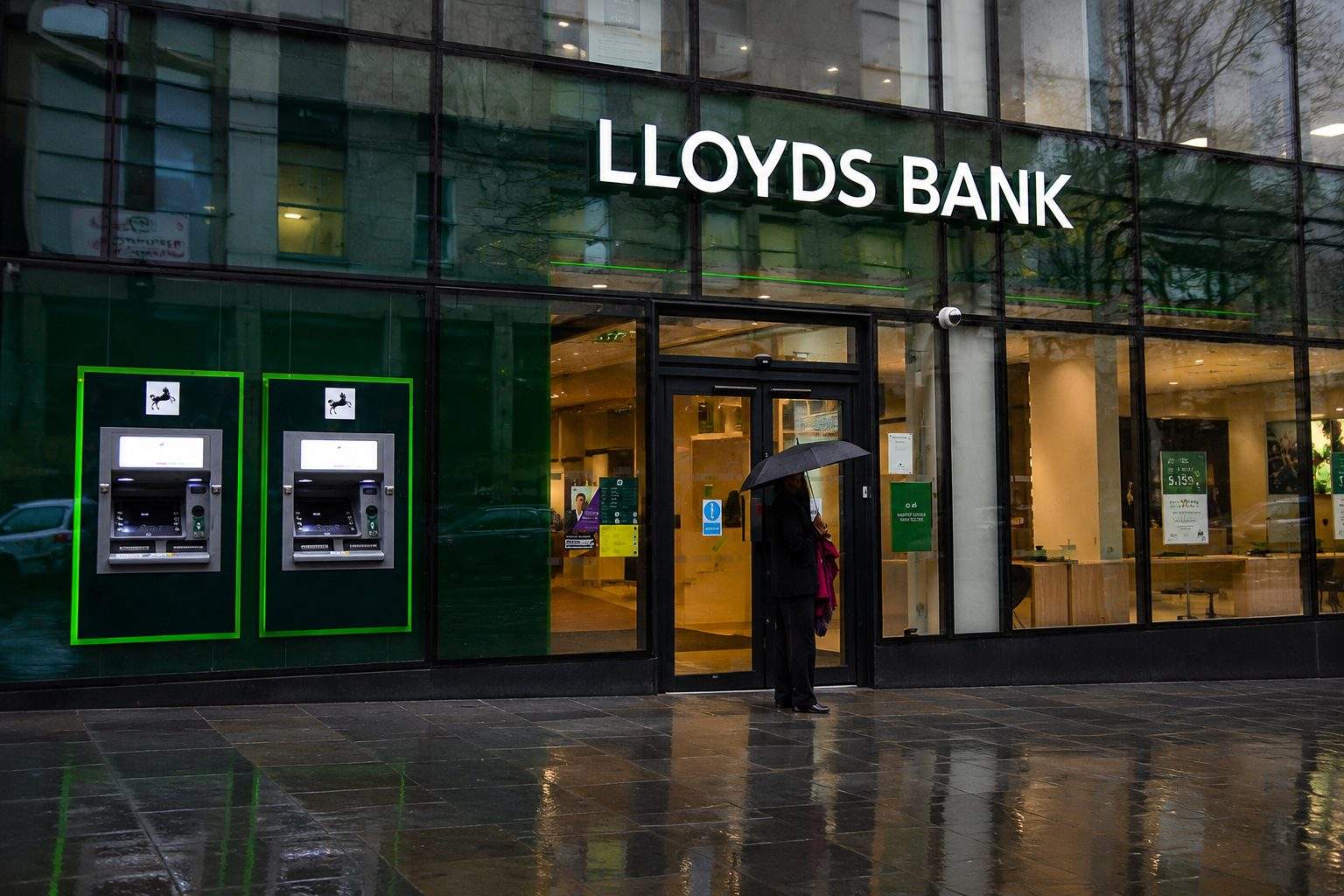
- Lloyds shares slipped on Wednesday as the FTSE 100 ended up. Traders took another look at the bank’s motor-finance risks.
- The FCA told Parliament it now doesn’t expect compensation payments from its motor-finance redress plan to start before 2027.
- Lloyds kept up its share buybacks, though investors say they still have little clarity on redress costs or what capital returns might look like.
Lloyds Banking Group shares ended lower in London on Wednesday, lagging behind a stronger FTSE 100. Investors digested a new regulatory update that said UK motor-finance compensation payouts probably won’t come before 2027. Delayed AJ Bell pricing put Lloyds at 97.08p to sell and 97.12p to buy, off 0.96p, or 0.98%, from the 98.54p open. Reuters said the FTSE 100 closed up 0.3% at 10,254.8.
Shares didn’t drop on a fresh earnings miss. Investors now worry more about the cost and timing of motor-finance redress. That’s compensation for customers where auto-loan commissions may have been handled wrongly. FCA chief Nikhil Rathi told Parliament’s Treasury Committee in a letter that payments planned for this year will be held up due to legal challenges to the FCA’s scheme.
The new timetable keeps banks and specialist lenders with old motor-finance books waiting longer for clarity. The FCA said it doesn’t expect a legal case before October 2026. If the scheme stays as planned, payments might start in 2027. If the court orders changes, compensation could move to late 2027 or early 2028.
FCA’s proposed scheme is big. The regulator said around 12.1 million agreements could qualify, pegging consumer redress at £7.5 billion and the total industry cost at £9.1 billion. At the center are discretionary commission arrangements, or DCAs. Under these, brokers could push up car loan interest rates and collect higher commissions.
Lloyds isn’t among the parties pushing back on the FCA plan. Volkswagen Financial Services UK, Mercedes-Benz Financial Services UK, Crédit Agricole Auto Finance and Consumer Voice are taking legal action, Reuters said. The rest of the sector, which includes Lloyds, Barclays, Santander UK and Close Brothers, stayed out of the legal fight over the scheme.
Rathi’s letter said the door is still open to earlier settlement proposals outside the official process. “Some firms have also said they want to resolve these liabilities now,” he wrote. He added the FCA is open to ideas that could move compensation to consumers faster.
That only helps if it cuts the overhang, not if it just leads to fresh uncertainty. The FCA told Parliament lenders still have to prepare, both in ops and finances—collecting data, holding capital, making provisions. The watchdog has warned a complaints-driven approach, rather than a set scheme, could hit lenders with over £6 billion more in costs and drag out the process another three years.
Lloyds pointed to the issue earlier in its own results. In its Q1 statement, the bank kept its provision tied to motor-finance commission unchanged, but it said there were still unknowns for response rates, running costs, lawsuits and what happens with other parties’ challenges.
Lloyds had some mechanical support in the market. The bank said it bought 5 million ordinary shares on June 10 via Goldman Sachs. Prices ranged from 96.58p to 98.22p, with a volume-weighted average at 97.4734p. Lloyds plans to cancel the shares as part of its usual buyback move, cutting the share count so each share is a bigger piece of the company.
Lloyds’ operating numbers aren’t showing weakness. Statutory profit before tax came in at £2.0 billion for the first quarter. Return on tangible equity was 17.0%. The common equity tier 1 capital ratio, the core capital gauge, landed at 13.4%. CEO Charlie Nunn said the bank is “confident in our delivery for the year ahead and reiterate our guidance for 2026.” EQS News
Legal uncertainty could make provisioning unpredictable. A court could order changes that push back payouts, raise admin costs, bring in more borrower complaints and push lenders to rethink provisions. With Lloyds, the bigger issue isn’t just a drop in the share price for the day. Investors are watching for buybacks or cash returns, and more uncertainty in motor finance could tighten what Lloyds can give back.
Lloyds shares have their next big moment on July 30, when the bank releases half-year results and lays out its latest strategy. Investors want to see the path for capital returns, as the motor-finance tribunal schedule now looks set to delay answers on the main regulatory risk into 2026.