
London, July 9, 2026, 09:59 BST
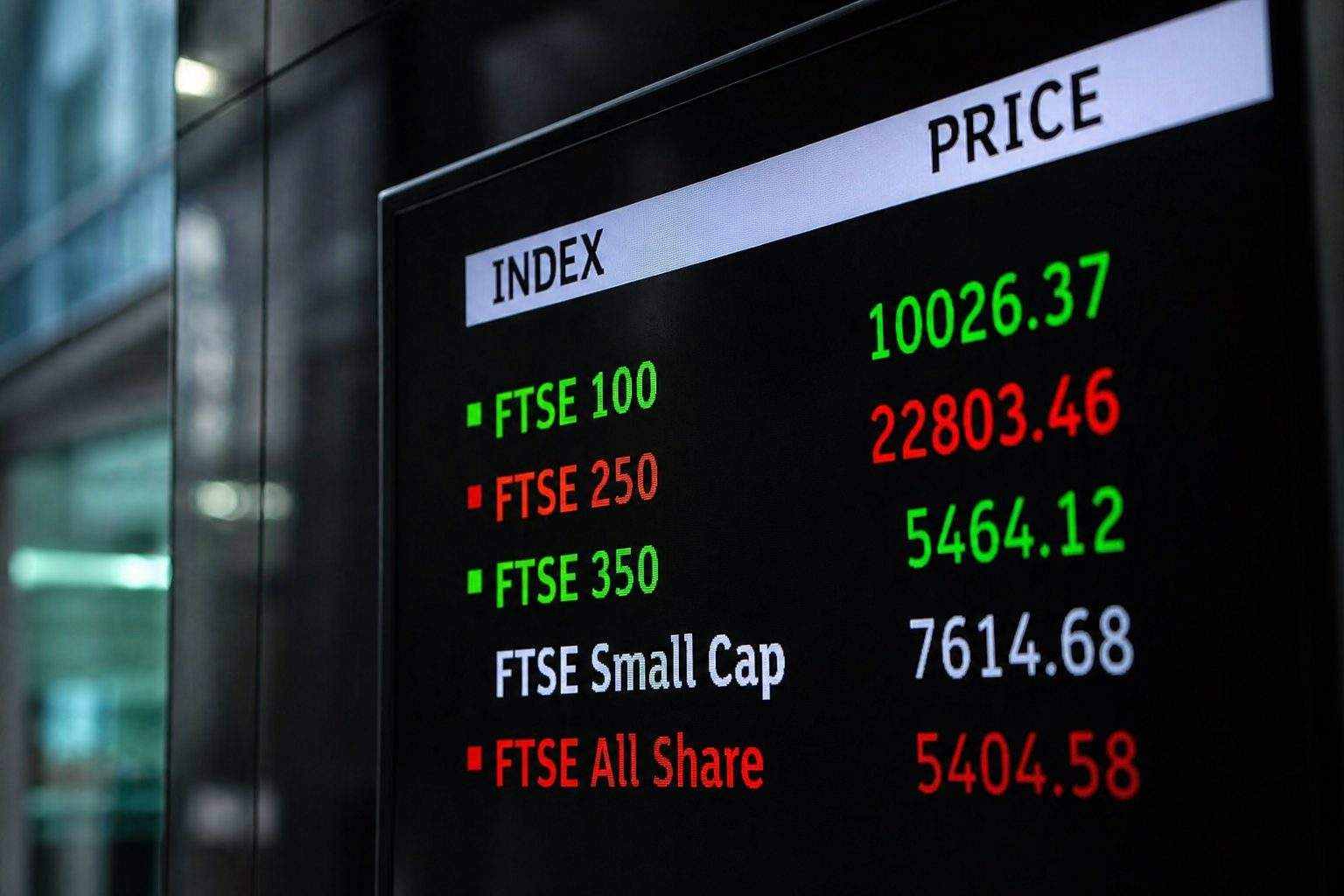
- FTSE 100 trades lower in early hours, but FTSE 250 moves up, splitting the London market.
- AstraZeneca dropped almost 9% after its Wainua drug missed a main target in a major late-stage heart study.
- Oil and Middle East risks stay top of mind for macro after the selloff on Wednesday.
FTSE 100 fell about 0.5% on Thursday, pressured by a slump in AstraZeneca, while gains in miners and some mid-caps helped limit losses. The FTSE 250 rose 0.4%, according to Hargreaves Lansdown data. Parts of Europe traded firmer.
This is worth noting since Wednesday’s drop hit global markets on the back of geopolitics and oil, but Thursday’s fall came from big stock moves. AstraZeneca, among London’s most valuable, can pull the entire index lower if one key drug trial misses, even when other shares hold up.
AstraZeneca shares fell about 9% after Wainua, the company’s drug with Ionis Pharmaceuticals, did not reduce cardiovascular deaths or recurring heart issues in a key trial for transthyretin-mediated amyloid cardiomyopathy, a rare heart disease. Sharon Barr, AstraZeneca’s executive VP for biopharma R&D, said the data still “support greater scientific understanding” of the condition. Reuters
The miss changes what investors expect in a market where Pfizer is the one to beat. Pfizer moved almost $6.4 billion of Vyndamax and other ATTR-CM drugs in 2025, Reuters said in April. That’s why investors paid attention to AstraZeneca’s hopes for Wainua outside its current nerve-disease label.
Healthcare names traded mixed. GSK drew attention as Alector said the UK pharma group pulled out of their neuroscience tie-up on two antibody drugs. Spire Healthcare announced Toscafund got more time on a formal takeover bid, with the deadline now set for Aug. 6.
Capita flagged fresh trouble away from the FTSE 100. The outsourcing group warned it now sees annual adjusted operating profit hit by £25 million to £40 million, blaming issues with its civil service pension deal. CEO Adolfo Hernandez said the company’s service “has not been good enough.” Reuters
FTSE 100 slid 1.7% Wednesday, logging its biggest drop since May 15. U.S. President Donald Trump declared an early Iran deal was dead, sending oil prices higher and weighing on over 80% of the index. Market nerves remain high.
Oil edged down in early European trading, but nerves stayed on edge. Brent crude dropped to $76.99 a barrel as of 0749 GMT, after hitting its highest since June 22 in the previous session. Tim Waterer, chief market analyst at KCM Trade, said flows through the Strait of Hormuz remain “very much up in the air.” Reuters
That’s important for the UK stock market. Higher oil prices can stoke inflation and raise bond yields, squeezing demand for equities. The Strait of Hormuz is a vital route for shipping oil and LNG; before the Iran war, Reuters said about a fifth of the world’s supply moved through it.
Domestic data didn’t move markets much. Britain’s housing slide softened a bit last month, a Royal Institution of Chartered Surveyors survey found. But RICS market analytics head Tarrant Parsons said things would probably stay “relatively subdued” without more certainty on politics and rates. Reuters
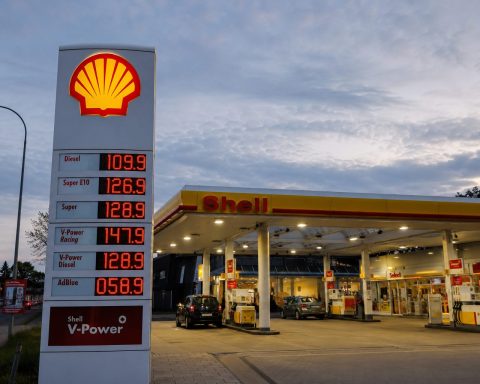
Gainers helped keep the market from a full-scale slide. AJ Bell data put Computacenter, Antofagasta, Glencore and Anglo American near the top of the FTSE 100 risers. AstraZeneca, British American Tobacco, BAE Systems and BP were leading the losers just after the open.
Buyers face a risk that Thursday’s split market could unwind into another wide drop if oil prices rise again or if Gulf shipping runs into trouble. Chris Weston, head of research at Pepperstone, said the market still expects de-escalation at some point, but he called the situation “highly fluid” and said timing is tough to call. Reuters