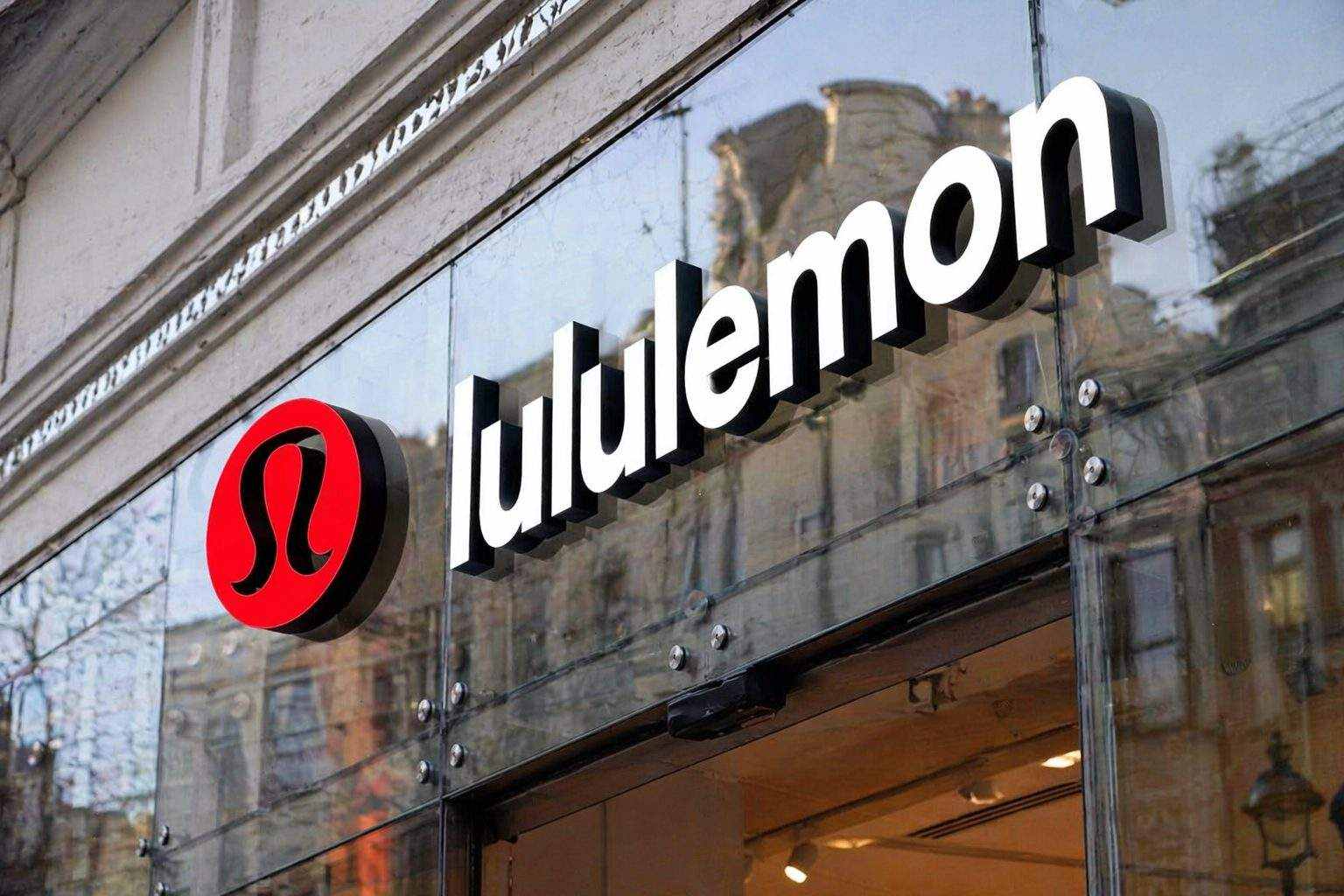

Vancouver, British Columbia, April 23, 2026, 07:49 PDT.
Investors dumped Lululemon Athletica shares Thursday morning—stock slid roughly 12%—after the company tapped Heidi O’Neill, a former Nike executive, as its incoming chief executive. O’Neill is set to start on Sept. 8 and will also join the board, according to the company.
The hire comes as Lululemon faces pressure on several fronts. The U.S. side of the business has lost steam, and founder Chip Wilson, together with Elliott Investment Management, is pursuing a proxy fight for board seats. The stock was down 38% over the last year ahead of Thursday’s drop.
Revenue edged up 1% in the fourth quarter to $3.6 billion. Sales slipped 4% across the Americas, while international markets jumped 17%. Interim co-CEO Meghan Frank called out the push for stronger full-price sales in North America as a “key priority”—underscoring just how crucial the home market reset is right now. Lululemon
O’Neill brings over 25 years of experience from Nike, where she served as president of consumer, product and brand. At Nike, she was credited with reducing product-development timelines and getting products to market faster, according to lululemon. O’Neill will work out of Vancouver.
Marti Morfitt, executive chair at Lululemon, described O’Neill as “an inspiring leader and proven, consumer-driven brand strategist.” O’Neill laid out her focus: “accelerate product breakthroughs,” heighten the brand’s cultural relevance, and drive growth in global markets. Lululemon
Wall Street didn’t buy in. BTIG’s Janine Stichter said the market probably wouldn’t cheer the pick, pointing to O’Neill’s lengthy stint at Nike, which coincided with “many challenges that parallel the ones LULU is currently facing,” such as losing market share and a fading brand image. Reuters
Analysts from Needham and Evercore ISI pointed to the board’s pick of O’Neill over Jane Nielsen — the ex-finance chief at Ralph Lauren and Coach, and Elliott’s preferred candidate — as another factor behind the selloff. BNP Paribas’s Gaston Dimant said Lululemon is looking for “a turnaround CEO and not a growth CEO.” Reuters
Wilson, who holds roughly 4.3% of Lululemon, continues to push for a wider shakeup of the board. Last month, the board brought in former Levi Strauss CEO Chip Bergh, and lead director David Mussafer announced he wouldn’t seek re-election. Wilson called this “a step in the right direction,” but insists further changes are necessary. Reuters
Tough timing risk here. With O’Neill not stepping in until September, there’s a long stretch where it’s unclear if product tweaks or marketing shifts will stick. Lululemon, for its part, last month guided for 2026 revenue between $11.35 billion and $11.50 billion and projected earnings per share in a $12.10 to $12.30 range—both misses versus what analysts were looking for. The company also pointed to an expected $380 million hit from U.S. tariffs.
Meghan Frank and André Maestrini continue as interim co-chief executives until O’Neill steps in. Investors are eyeing new product launches, stronger full-price sales in North America, and any indication Lululemon will keep its edge against Nike, as well as newcomers like Alo Yoga and Vuori, before the new chief executive takes over.


![US Stock Market Today 08/28/2026 [UPDATE: 00:10 EDT] [Marvell Holds 7.8% Loss Despite Raised Revenue Targets]](https://ts2.tech/wp-content/uploads/2026/08/US-market-dashboard-2026-08-28-0009-480x384.jpg "US Stock Market Today 08/28/2026 [UPDATE: 00:10 EDT] [Marvell Holds 7.8% Loss Despite Raised Revenue Targets]")



![Australia Stock Market Today 28/08/2026 [UPDATE: 14:35 AEST] [ASX Reaches Session High as Xero and CBA Extend Gains]](https://ts2.tech/wp-content/uploads/2026/08/AU-market-dashboard-2026-08-28-1435-480x384.jpg "Australia Stock Market Today 28/08/2026 [UPDATE: 14:35 AEST] [ASX Reaches Session High as Xero and CBA Extend Gains]")