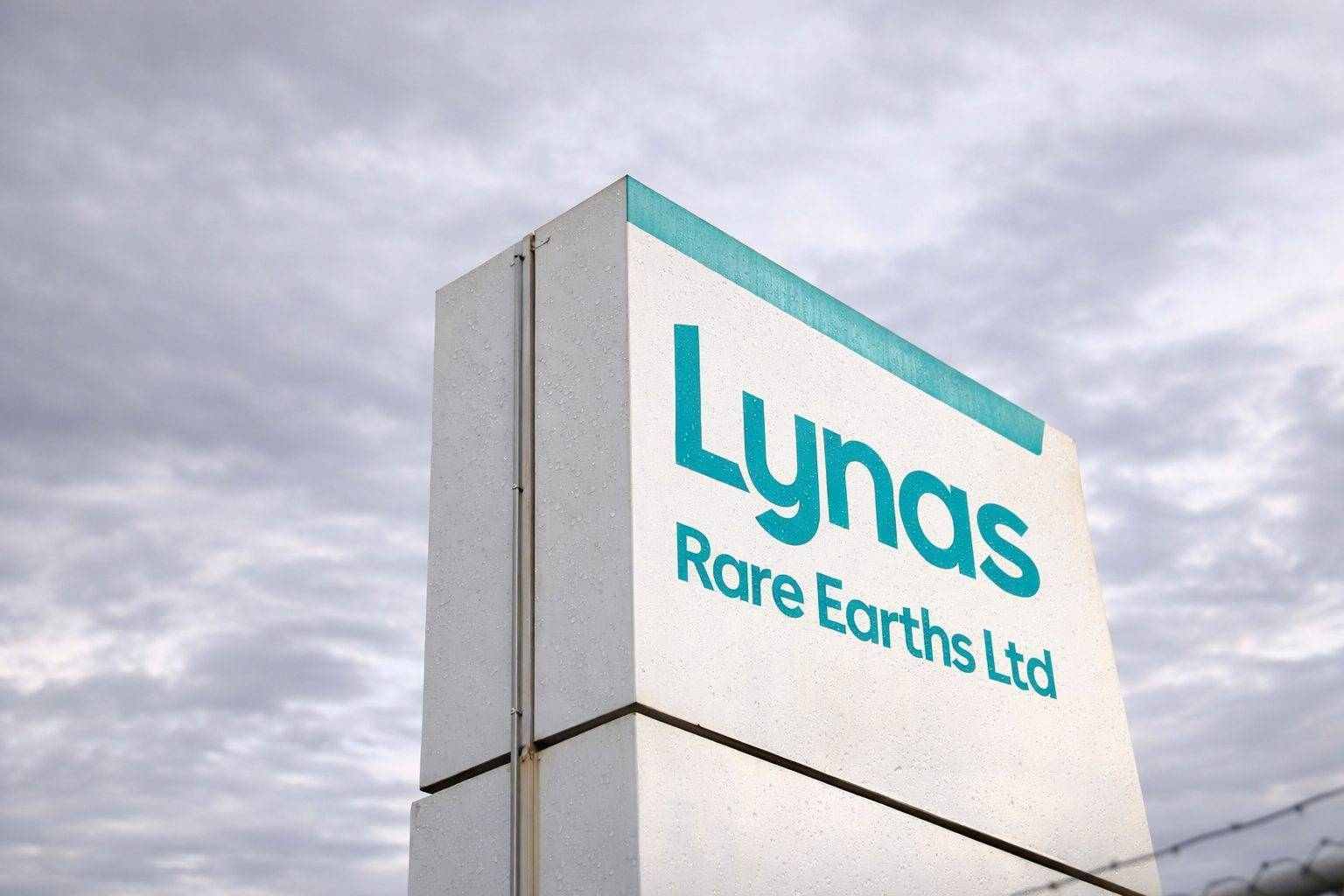

Sydney, Feb 7, 2026, 17:27 AEDT — The session wrapped up with the market closed.
- Lynas wrapped up Friday trading at A$14.27, sliding 3.2% on the day. Shares have shed roughly 11% across the last two sessions.
- Fresh moves out of the U.S. and EU on critical minerals—and talk of new “price floors”—are landing with investors, who are parsing what they might mean for supply chains.
- Interim results are due from the company somewhere around Feb 25–26, the next big milestone on the calendar.
Lynas Rare Earths Limited ASX:LYC slipped 3.2% on Friday to close at A$14.27, off A$0.47 for the session. Shares are down roughly 8.5% for the week, following a steep drop on Thursday. About 6 million shares changed hands Friday, with the price moving between A$14.16 and A$14.74.
Policy moves, not drill updates, are calling the shots for rare earths right now. The sector’s latest drop reflects investors trying to figure out what government-led stockpiling and “floor price” ideas might actually deliver for producers — and how soon that could translate into real deals or money.
Here’s the gist: Governments beefing up reserves and imposing minimum prices might stabilize a market that miners argue is distorted by cheap supply. But dress those policies up as scientific tweaks and they risk backfiring—trade tensions can flare if the rules start to resemble tariffs in disguise.
U.S. Secretary of State Marco Rubio brought together officials from 55 nations in Washington this week for the first-ever Critical Minerals Ministerial. The U.S. rolled out Project Vault, a national stockpile for key minerals, anchored by $10 billion from the U.S. Export-Import Bank plus $2 billion from private investors. Across the Atlantic, the European Union is advancing its own plans for critical material reserves. China’s foreign ministry, for its part, has slammed restrictions “imposed by small groups.” Patrick Schröder at Chatham House described the idea of a coordinated price floor as “a sensible response to structural market distortions,” but pointed out the effects will depend on how it’s structured and who qualifies. Reuters
Asia’s hopes of diversifying supply chains keep running into a hard limit: manufacturers still rely on Chinese feedstock. South Korea’s trade ministry wants to make imports more reliable and move them faster, so it’s launching a hotline and forming a joint committee with Beijing. The government also tagged 17 minerals as critical and put 250 billion won behind overseas mining projects. On top of that, Seoul is set to lead Washington’s new critical minerals group, FORGE, until June, according to the ministry.
Lynas finds itself caught in the middle, operating a fully integrated supply chain that starts with mining at Mt Weld in Australia. The company runs processing sites in both Australia and Malaysia, while its Kalgoorlie plant turns out mixed rare earth carbonate, which is then sent to Malaysia for separation into specific products.
For Lynas CEO Amanda Lacaze, price support isn’t just a talking point—it’s about customers paying rates that actually cover the costs of running the business. She’s highlighted the U.S. government’s minimum-price backing for MP Materials as evidence of the dramatic policy turn. Back in January, Lynas also flagged ongoing production problems at its Kalgoorlie plant, where power outages have continued to disrupt output.
Still, the risk is hard to miss. Right now, the floor-price plan amounts to a framework, not a rulebook, and any setup hinging on tariffs, tough qualification, or sluggish government spending might show up too late or never materialize. Producers remain exposed to two familiar threats: softening demand for magnets and the pressure from dominant suppliers able to undercut prices.
Monday’s session kicks off with traders eyeing Washington and Brussels for specifics: which minerals make the cut, which prices set the bar, and just how support will be delivered—be it direct purchases, subsidies, or shifts in trade rules. A sudden swing in U.S. policy-linked peers could easily jolt sentiment around ASX rare-earth prices.
For now, all eyes shift to Lynas’ interim report, slated for Feb 25–26 on MarketIndex’s forecast schedule. That’s when investors finally get a concrete read on policy promises versus actual volumes, pricing, and costs.