
New York, May 15, 2026, 18:04 EDT
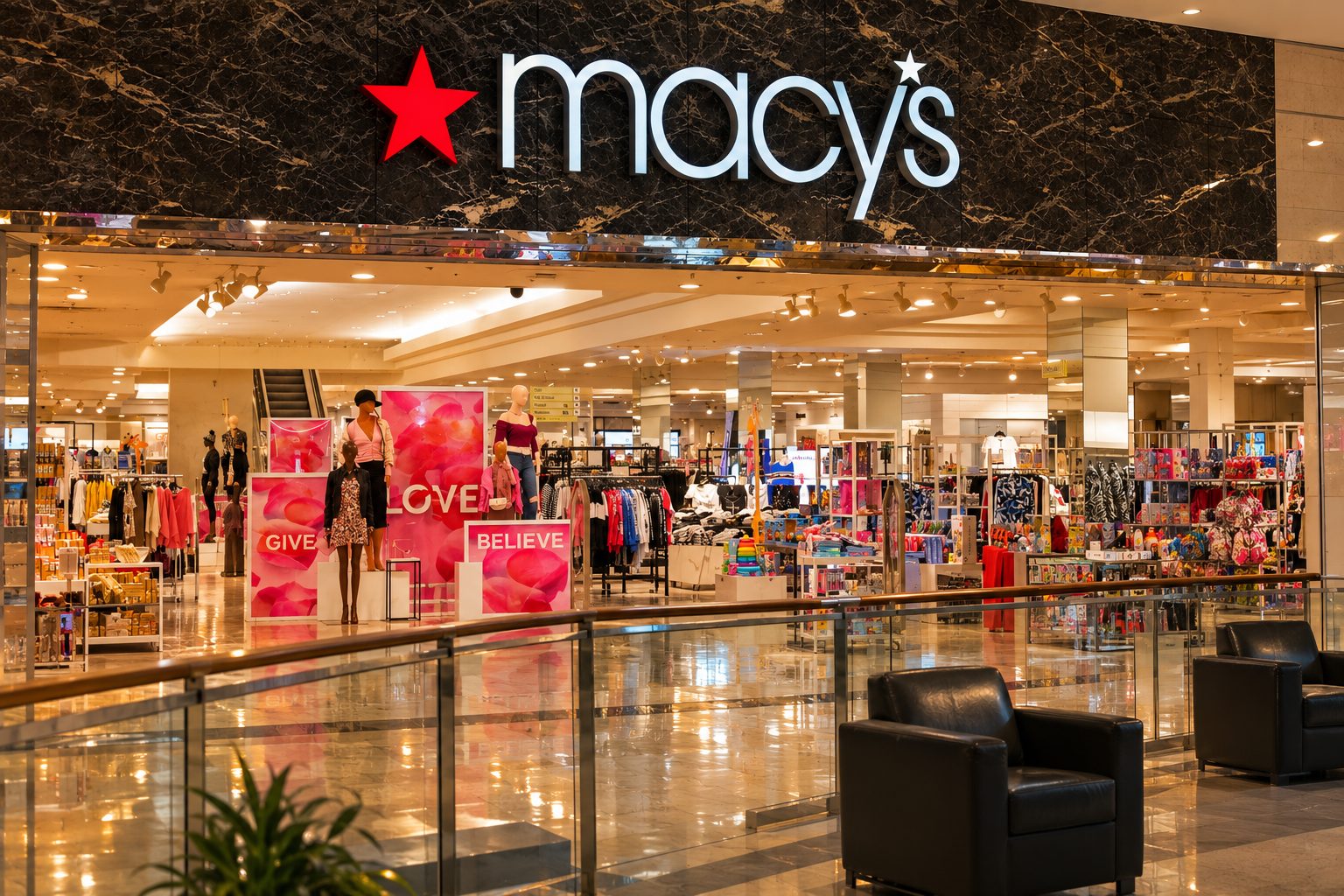
Berkshire Hathaway has taken a new stake in Macy’s valued at roughly $55 million, sending the retailer’s shares up in late trading. Macy’s added 5.9% after hours after Berkshire said in its quarterly filing it held about 3.04 million shares across two spots. Traders saw someone betting on the struggling chain.
Berkshire’s stake is small. Macy’s is shutting stores and shifting cash to higher-traffic sites as it looks to hold margins. Tariffs and soft consumer demand have made things tough for discretionary retailers.
Berkshire’s latest portfolio snapshot came via Form 13F, the SEC filing required each quarter from large money managers. The data is as of March 31, so it may not show Berkshire’s current positions if they moved after that. This time lag means investors shouldn’t treat it as up-to-date information.
Berkshire increased its Macy’s holding while Greg Abel led the company following Warren Buffett’s departure as CEO. It also added more Delta Air Lines shares, raised its Alphabet stake, and exited Amazon, UnitedHealth, Visa, and Mastercard.
Macy’s board kept its regular quarterly dividend steady at 19.15 cents a share, the company said Friday. The payout is for shareholders of record as of June 15 and goes out July 1. The department store chain is maintaining the dividend as it spends on store upgrades and digital projects.
Macy’s is still deep in its turnaround push. CEO Tony Spring said back in March that the company is adding “more relevant brands” and spending more on employees. Bloomingdale’s had strong holiday sales, and Bluemercury also turned in a decent quarter. Macy’s fourth-quarter net sales were $7.6 billion. Comparable sales gained 1.8%. Bloomingdale’s comps jumped 9.9%. Business Wire
Macy’s is preparing for a tougher year ahead. The retailer sees fiscal 2026 net sales coming in between $21.4 billion and $21.65 billion, down from the $21.8 billion it expects for fiscal 2025. Adjusted EPS is guided to a range of $1.90 to $2.10. Macy’s said tariffs will hit hardest in the first half, mostly in the first quarter.
Macy’s is worried about tariffs as it buys most of its clothing, home goods and accessories from abroad. The company has warned that big-picture economic and political issues could hit discretionary spending. It said shoppers could trim nonessential buys if their finances get squeezed.
Kohl’s flagged in March that full-year sales might end flat or down as much as 2%. CEO Michael Bender said lower- and middle-income shoppers are holding back and chasing deals. Macy’s is having similar trouble with its core customers, while Bloomingdale’s, which is part of Macy’s, is pulling in more affluent buyers. Retailers are reporting mixed results this year.
Berkshire’s move could help Macy’s sentiment, but that doesn’t change the numbers right now. Macy’s still needs to show that closing underperforming stores, putting more into top sites, and focusing on Bloomingdale’s and Bluemercury can work with traffic down, tariffs still a risk, and heavy competition from discounters, online players, and big-box names.
Berkshire’s $55 million Macy’s stake is tiny against the rest of its portfolio. The 13F just looks backward, so investors may be reading too much into it. If spring demand weakens or tariffs hit, Macy’s gains after Friday’s close might not last.
Macy’s changed its dividend timing and landed on a major investor roster after Friday’s close. Still, most traders are watching for results in the next earnings. Holders want to see real sales gains from the turnaround, not just Macy’s name in Berkshire’s latest update.
Related articles: NYSE:M