
New York—May 6, 2026, 05:58 EDT.
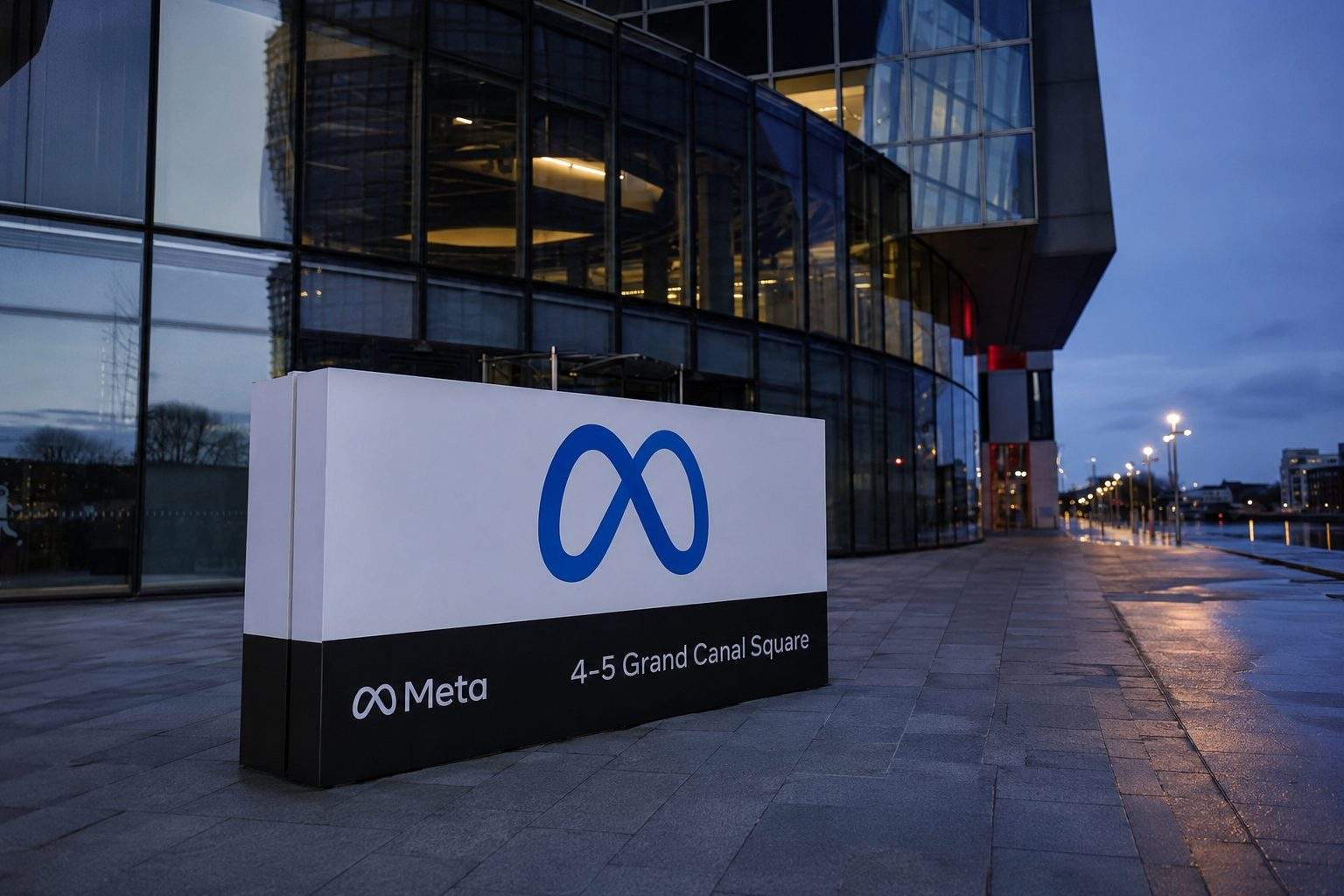
Meta Platforms stock barely budged in early U.S. premarket trading Wednesday, following a 0.9% drop to $604.96 the previous session. Investors remain undecided about whether the Facebook owner’s sharply increased AI spending will actually accelerate growth.
That question has fresh weight now, as Meta’s upcoming AI offerings creep into the hands of regular users—not just tech teams. The Financial Times, citing Reuters, says the company is working on an “agentic” assistant, an AI tool set to handle tasks with more autonomy than your typical chatbot. Reuters
Meta shares find themselves in a familiar spot, just with steeper stakes: advertising continues to generate cash, but spending on data centers, custom chips, and AI models keeps climbing. These days, capital expenditure—capex, the outlay on things like servers and data centers—has become the headline figure everyone on Wall Street tracks.
Meta last week lifted its 2026 capital expenditure forecast to $125 billion-$145 billion, pushing the top end $10 billion higher than its previous $115 billion-$135 billion range. The company pointed to pricier components and increased data-center spending behind the move. First-quarter revenue came in at $56.31 billion, a 33% jump from a year ago.
Mark Zuckerberg, Meta’s chief executive, told analysts the company is working on rolling out personal and business AI agents “to billions of people around the world.” He added that AI ought to “amplify” human capability, not just step in as a replacement. MarketScreener
No free ride from the market. Gil Luria, managing director at D.A. Davidson, called Meta’s numbers a letdown, especially compared with Alphabet’s more robust showing. For Matt Britzman at Hargreaves Lansdown, investors got nervous about Meta’s ramped-up spending, though he noted those worries might be exaggerated if it’s just a case of higher memory chip costs.
Tuesday brought a new legal headache. Elsevier, Cengage, Hachette, Macmillan and McGraw Hill—all big publishing names—filed a lawsuit in Manhattan federal court accusing Meta of training its Llama AI models on copyrighted books and academic articles without securing rights. Meta plans to contest the case, maintaining its position that using such materials for AI training qualifies as fair use.
Pressure from regulators is mounting. Ireland’s media regulator has launched probes into Facebook and Instagram, citing the EU Digital Services Act and worries that users could struggle to select non-personalized feeds, or be nudged by how the platforms are built. Meta, for its part, says it’s already overhauled compliance measures and rejects claims it violated the rules.
The landscape isn’t one-sided. Alphabet is reaching into the debt market, raising at least 3 billion euros with a bond sale as major tech names look to bankroll AI infrastructure, Reuters reported. Just last week, Meta pulled in $25 billion through an investment-grade bond issue—evidence of a broader trend where even cash-loaded tech giants are turning to borrowing to fund AI expansion.
Meta faces a timing dilemma here. While Alphabet, Microsoft, and Amazon have the cloud story to show investors a more immediate link between AI investment and revenue, Meta’s AI bets feed into improved ad targeting, user engagement on Instagram and Facebook, and fresh consumer AI products. Those benefits are less direct—and the monetization could take a while.
Meta stock is still making investors wait. Ad revenue climbs, sure, but the list keeps growing—AI rollouts, lawsuits, regulatory probes. It all circles back to the same question for shareholders: when do all these expenses finally turn into real earnings, instead of just another bold bet?
Related articles: NASDAQ:META



![Australia Stock Market Today 26/08/2026 [UPDATE: 10:37 AEST] [Woolworths and Lovisa Lift ASX Before CPI]](https://ts2.tech/wp-content/uploads/2026/08/AU-market-dashboard-2026-08-26-1037-480x384.jpg "Australia Stock Market Today 26/08/2026 [UPDATE: 10:37 AEST] [Woolworths and Lovisa Lift ASX Before CPI]")