
NEW YORK, March 9, 2026, 15:00 EDT
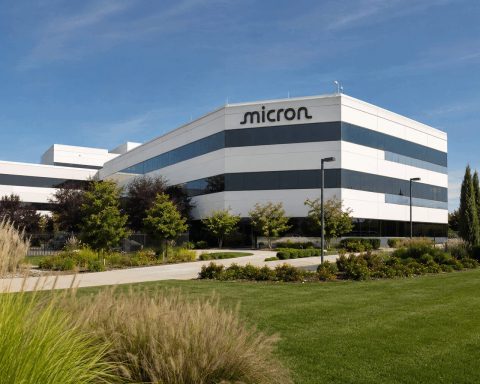
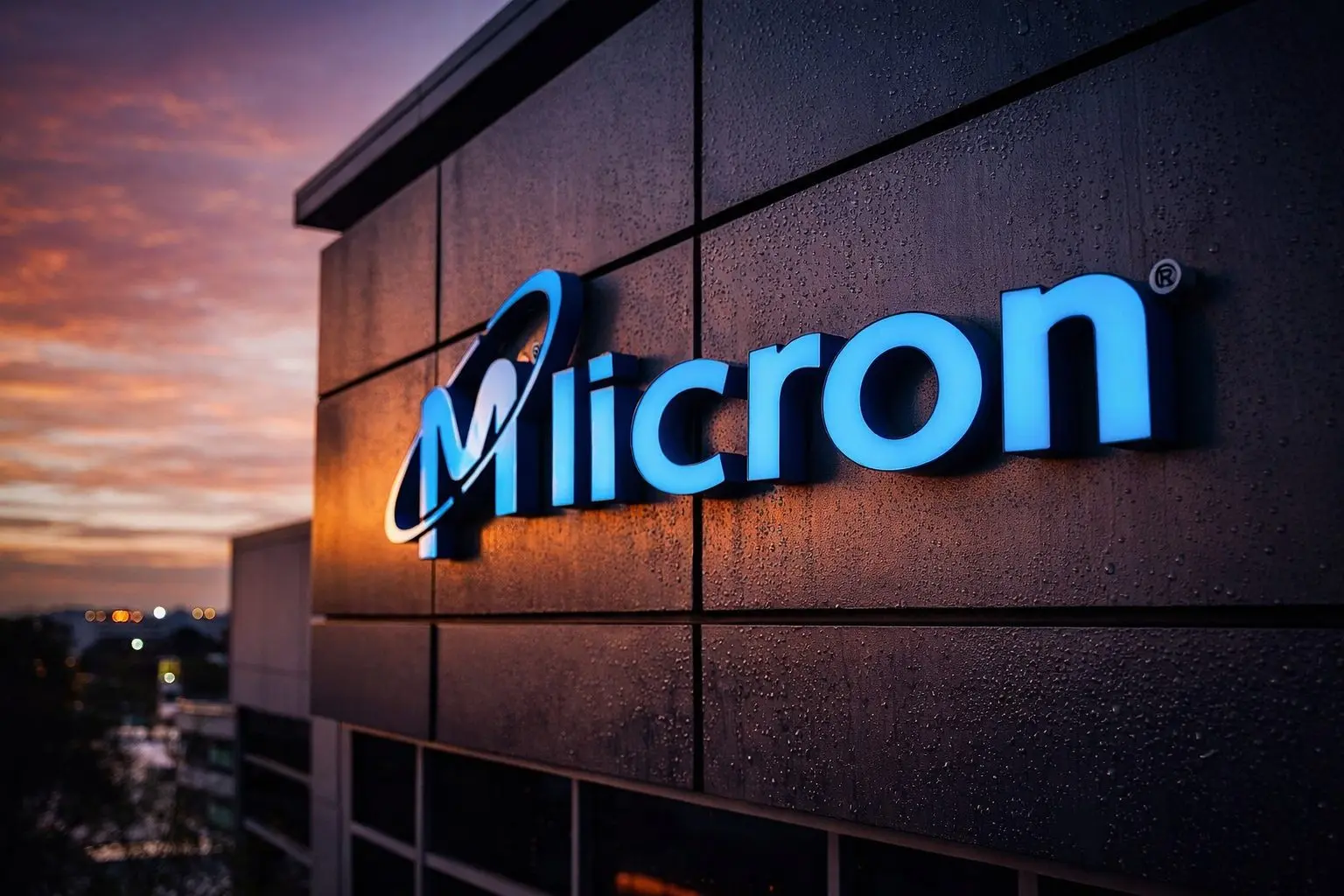
Micron Technology shares gained roughly 2.3% Monday, with Citi and Susquehanna lifting their price targets ahead of the chipmaker’s results set for March 18. Korean media over the weekend reported Nvidia’s Vera Rubin AI system will use HBM4 chips from Samsung Electronics and SK Hynix, skipping Micron. The stock was changing hands at $378.78 during the afternoon session.
The debate takes on fresh significance with Micron’s fiscal Q2 earnings coming up March 18. Investors are sizing up just how much of the next AI memory cycle Micron can grab. HBM—high-bandwidth memory—refers to stacked DRAM paired with AI accelerators, and right now, Micron stands as one of only three big suppliers worldwide.
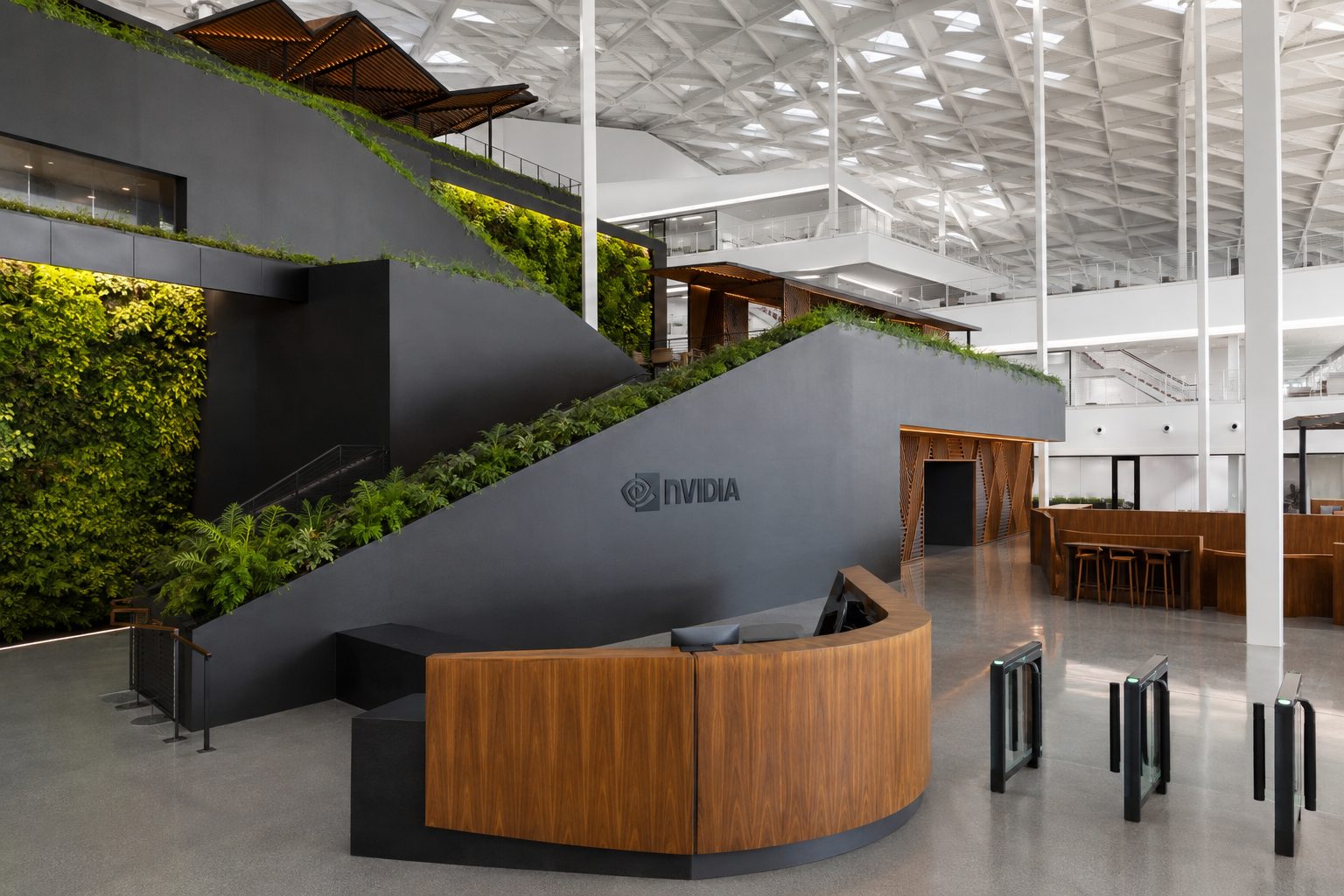
Samsung and SK Hynix have landed spots as suppliers for Nvidia’s Vera Rubin platform, according to TrendForce, which cited Hankyung. Micron, meanwhile, is set to supply HBM4 for Rubin CPX—the middle-range chips tuned for inference workloads, not model training. As for allocation and pricing, nothing appears locked in. Nvidia is reportedly pushing for memory speeds north of 10 gigabits per second—faster than the current JEDEC HBM4 spec.
Bullish sentiment held up on Wall Street. Citi bumped its Micron price target to $430, while Susquehanna went higher at $525, Barron’s noted. Citi expects DRAM—the key memory in servers and PCs—to jump 171% in 2026 versus 2025, driven by robust data-center demand.
Richard Windsor, independent analyst at Radio Free Mobile, said he suspects Micron “will be brought on board later in the year” as shipments ramp up. He also noted Micron might dodge a revenue impact, since available industry capacity is mostly spoken for through 2026. Barron’s
Micron’s messaging hasn’t budged. Back in December, the company announced it had locked in both price and volume deals for all of its 2026 HBM production, covering HBM4 as well. Then in February, CFO Mark Murphy told investors Micron began shipping HBM4 to customers a quarter ahead of schedule. He said he was “highly confident” about the product’s performance, quality, and reliability. Micron Technology
Competition hasn’t let up. Samsung announced last month it started shipping HBM4 to clients. SK Hynix, meanwhile, wrapped up internal certification and already has a production system in place. It’s a sharp escalation in the race with Micron.
But there’s a risk here: if Micron really is left out of the first Vera Rubin launch—still not confirmed—that absence could drag on well past what bulls are hoping for. Should Samsung and SK Hynix keep their grip on the top-tier Vera Rubin allocations, Micron may have to settle for less lucrative programs right as its own output ramps up. On top of that, Micron’s filings caution that softer HBM demand could push suppliers to swing production back toward standard DRAM, which might squeeze prices.
The backdrop hasn’t loosened up yet. Back in January, Reuters flagged TrendForce’s call for conventional DRAM contract prices to surge 90% to 95% in Q1—a sharp move that underscores how Micron, like Samsung and SK Hynix, keeps riding the AI-driven demand wave.
Susquehanna analyst Mehdi Hosseini remains upbeat about the near-term cycle, though he cautions that “earnings will peak by mid-2027” before the supply-demand equation levels out. All eyes now turn to Micron’s March 18 report—the next gauge of whether the present shortage is powerful enough to override renewed questions about Micron’s seat in Nvidia’s next AI expansion. Barron’s
Related articles: NASDAQ:MU