
New York, Jan 14, 2026, 09:34 EST — Regular session
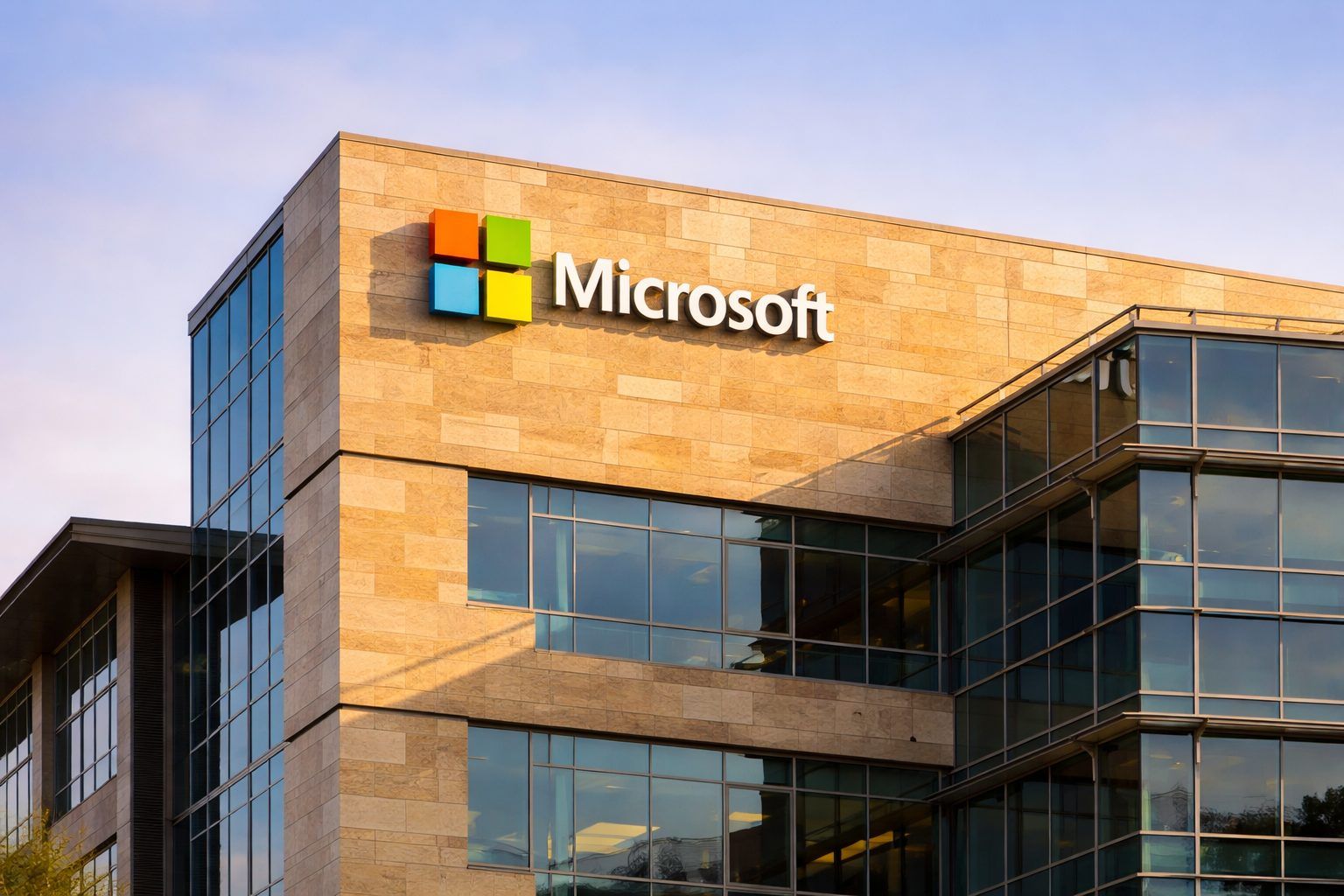
Shares of Microsoft (MSFT.O) slipped 1.4% to $470.67 early Wednesday as investors digested the company’s latest effort to ease power and water demands on U.S. households from data centers — along with the possible price tag. The tech giant didn’t disclose any financial details, even after U.S. President Donald Trump said Microsoft would undertake “major changes” to reduce data-center power expenses for Americans. Reuters
The timing of this commitment is tricky for Big Tech. Demand for computing power is surging thanks to generative AI, yet local pushback against sprawling data centers is intensifying. Microsoft Vice Chair and President Brad Smith called it “unfair and politically unrealistic” to expect communities to absorb higher electricity costs linked to AI. In a blog post, he detailed a “Community-First” strategy that involves Microsoft paying higher utility rates and taking action on water usage, job creation, and training. The Official Microsoft Blog
Rates remain in focus. December’s U.S. consumer price index came in with headline inflation at 2.7%, while core inflation slipped to 2.6%. Yet a 0.7% rise in food prices for the month fueled fresh debate on how fast inflation will subside—and when the Federal Reserve might next lower rates.
Positioning might actually backfire. Hedge funds held onto crowded long bets in big tech names like Microsoft, Alphabet, and Meta throughout 2025, Hazeltree reported Wednesday. Such concentration risks triggering sudden, volatile swings if sentiment shifts.
Microsoft faces a key challenge: will this initiative turn into a cost burden, a regulatory sweetener, or perhaps both? The company aims to grow its AI infrastructure while avoiding the backlash that can halt progress and prompt fresh regulations.
Investors have been swift to punish any signs of incremental spending linked to AI buildouts, especially if there are no concrete numbers. As a result, Microsoft has been trading more like an infrastructure play than a software company on days when headlines mention power, water, or capital expenditures.
But the initiative works both ways. If the plan pushes electricity and water costs higher than anticipated, margins could come under pressure. And it might not ease resistance across the board, particularly where utilities and regulators are already stretched thin.
Microsoft is set to report its fiscal second-quarter results and host its earnings call on Jan. 28. Investors will be watching closely for shifts in commentary around cloud demand and AI spending.
Related articles: NASDAQ:MSFT