
NEW YORK, June 1, 2026, 18:09 EDT
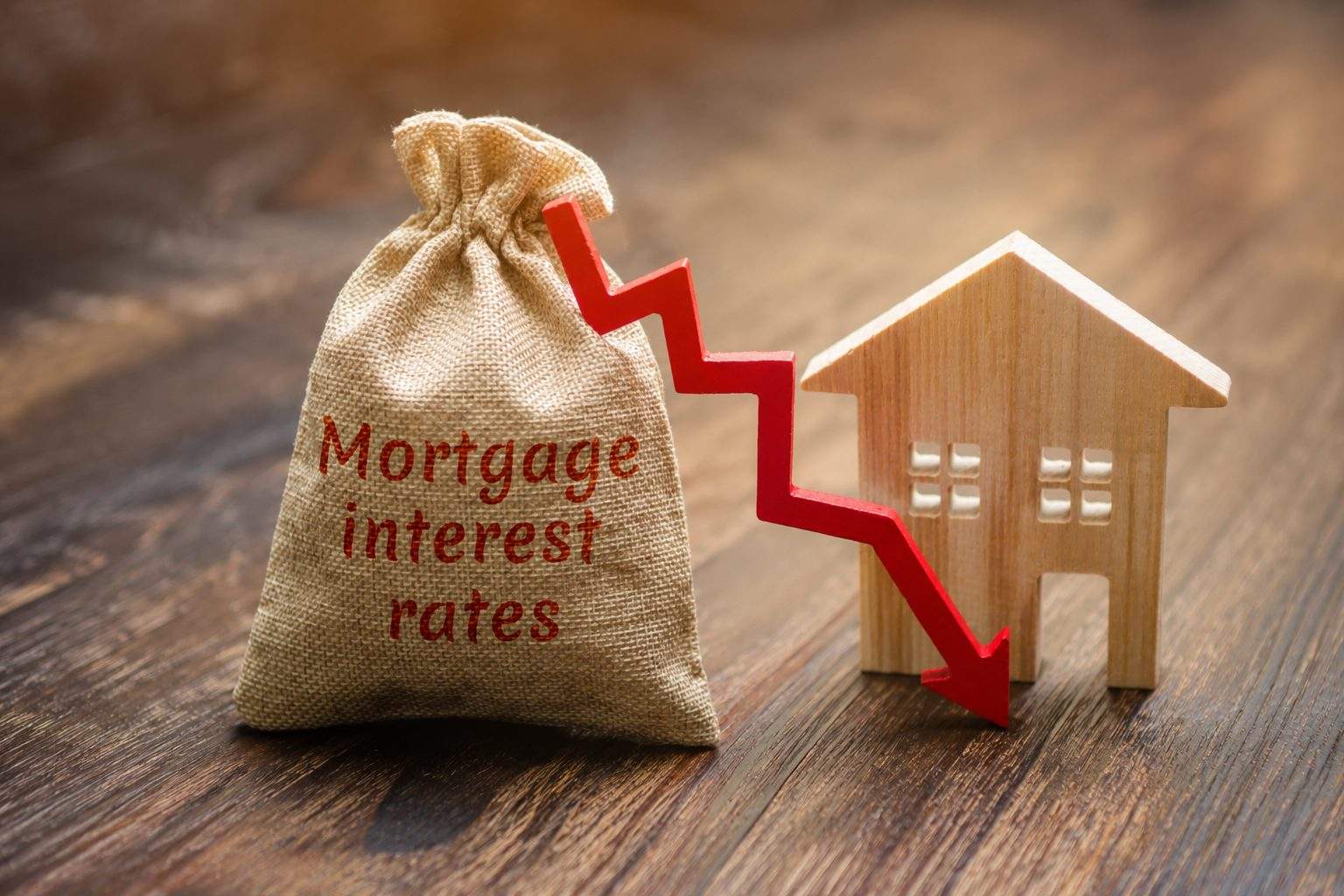
- Mortgage rates in the U.S. are still in the mid-6% range, holding back spring home sales even as some daily trackers show slight drops.
- The 30-year fixed mortgage rate hit 6.53% in Freddie Mac’s latest weekly report, the highest in nine months.
- Borrowers hoping for a bigger drop in rates still face the main risk from bond yields and inflation tied to oil prices.
Mortgage rates in the U.S. dipped in some daily readings on Monday, but rates stayed elevated, leaving the housing market under strain as the spring selling season heads for summer.
30-year fixed mortgage rates came in at 6.33%, according to Zillow data picked up by Yahoo Finance and Norada Real Estate, down 3 basis points from the last update. That’s the standard U.S. home-loan offer. The 15-year fixed rate stayed at 5.79%. Rates on the 5/1 adjustable jumped, up 24 basis points to 6.45%, Yahoo Finance said.
Small change, big problem. The shift isn’t enough to move buyers off the sidelines. Most have been looking for a sharper drop in rates. Daily improvements haven’t cut monthly payments down enough to draw more demand into the market.
Freddie Mac said Thursday the average 30-year fixed mortgage rate ticked up to 6.53% as of May 28, up from 6.51% the week before, based on its closely watched lender application survey. The 15-year fixed rose to 5.87% from 5.85%. Both figures are down from this time last year.
Freddie Mac said the average 30-year fixed-rate mortgage was 6.53% this week. “Pending home sales have increased three months in a row, indicating there’s latent demand and homebuyers are ready to jump back into the market if mortgage rates decline,” said chief economist Sam Khater in a release. GlobeNewswire
Other daily trackers told a similar story, with some differences in the numbers. Bankrate showed the average 30-year fixed rate at 6.56% on Monday and the 15-year fixed at 5.92%. NerdWallet, which uses Zillow data and quotes APR, had the 30-year fixed at 6.32% and the 15-year fixed at 5.74%. APR stands for annual percentage rate and includes more than just the interest rate.
U.S. long-term mortgage rates hit their highest since August, with the average at 6.56%, The Associated Press said last week. Mortgage rates tend to follow the 10-year Treasury yield. Lenders use that yield as a benchmark for home loan pricing.
Bond market troubles stay in focus. The 10-year U.S. Treasury yield moved up Monday as oil rallied. Market chatter flagged fresh inflation worries as tensions flared in the Middle East. When Treasury yields go higher, mortgages tend to cost more, even with banks battling for customers.
Housing demand is easing as mortgage applications dropped 8.5% for the week ending May 22, Mortgage Bankers Association data showed, according to AP. Most of that drop came from fewer refinancing applications. Sales of new homes also fell. The Census Bureau said Thursday that new home sales slipped 6.2% in April to an annual rate of 622,000 units, AP reported.
Buyers who still qualify are seeing some relief. Inventories are up in several markets. Asking prices in parts of the South and Midwest have come down, so shoppers have more room to negotiate than during the pandemic squeeze.
But rates might not drop quickly enough to make a difference. If oil prices keep pushing up inflation expectations, or Treasury yields don’t come down before the Federal Reserve’s June 16-17 meeting, banks won’t find room to trim mortgage rates. The Fed will give new economic forecasts at that meeting, so rate outlooks could change again.
“Buyers have more homes to pick from and asking prices are coming down, but their dollars don’t go as far as they did a few months ago,” Jake Krimmel, senior economist at Realtor.com, told AP. “A resolution to the (U.S.-Iran) conflict, therefore, would do a world of good for mortgage rates, consumers, and housing market momentum.” AP News
Related articles: Stock Market