
WASHINGTON, January 14, 2026, 03:25 EST
- NASA and the U.S. Department of Energy have set a goal to deploy a nuclear reactor on the lunar surface by 2030.
- Energy Secretary Chris Wright has also scrapped the DOE’s long-standing ALARA radiation-safety principle.
- Contractors linked to lunar infrastructure are back in the spotlight following the agencies’ latest agreement.
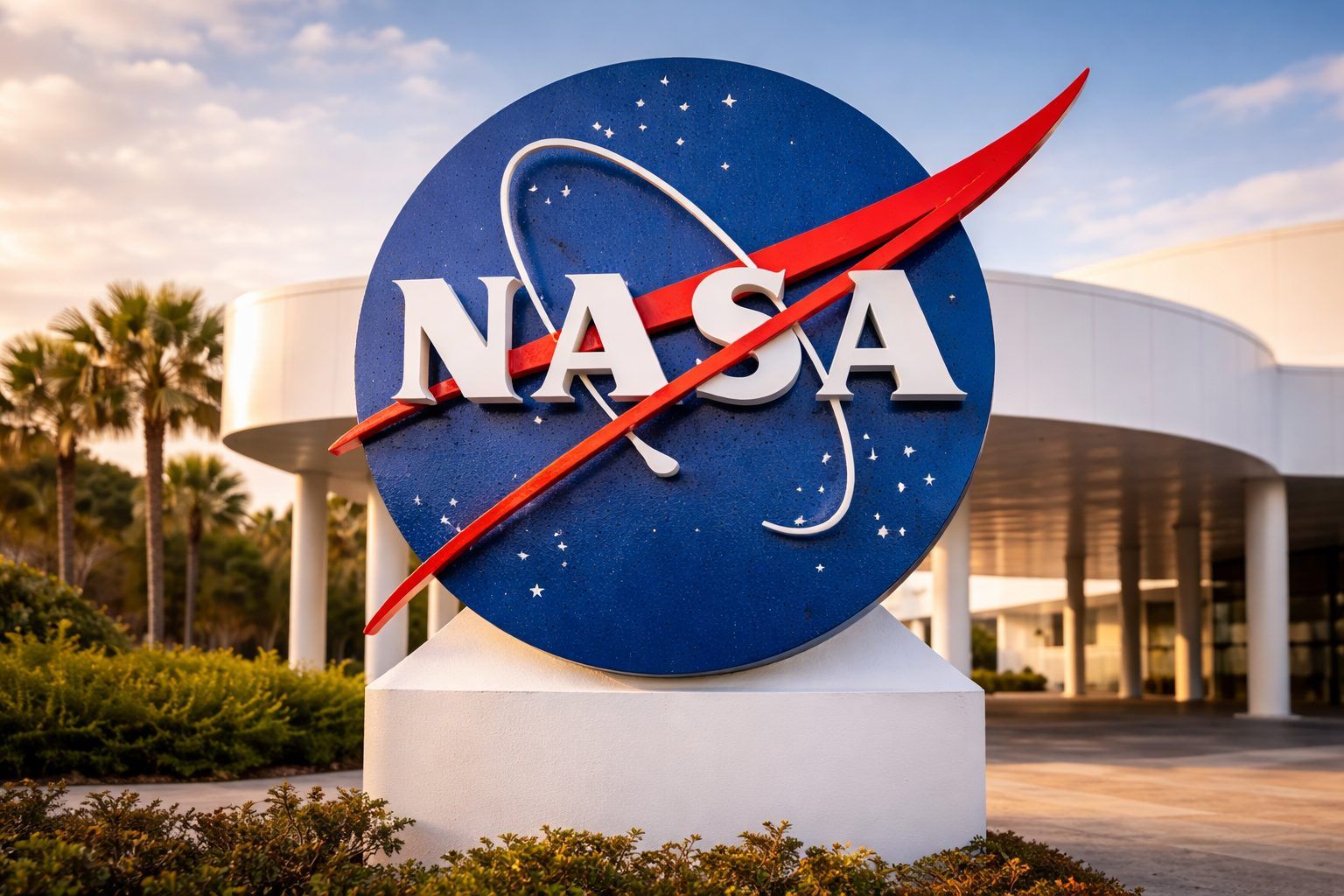
NASA and the U.S. Department of Energy announced plans to develop a nuclear reactor for the Moon’s surface by 2030, reviving a partnership that places fission power at the heart of America’s lunar ambitions.
Why it matters now: a reactor could provide a reliable power source during the Moon’s long periods of darkness, a key challenge for bases dependent on solar panels and batteries.
This comes as the Energy Department revises sections of its nuclear regulations, a move that could change the timeline and expenses for projects dealing with radioactive materials — ranging from advanced reactors to cleanup efforts.
NASA announced that it has signed a memorandum of understanding with the Department of Energy to advance research and development of a “fission surface power system” for the Moon as part of the Artemis program and future Mars missions. The agencies aim to have a working lunar surface reactor by 2030. https://www.nasa.gov/news-release/nasa-department-of-energy-to-develop-lunar-surface-reactor-by-2030/
Wright described the deal as a step toward speeding up progress, with NASA Administrator Jared Isaacman adding, “Achieving this future requires harnessing nuclear power.” The Energy Department noted the system could operate for years without refueling, delivering steady power regardless of sunlight or temperature. https://www.energy.gov/articles/us-department-energy-and-nasa-develop-lunar-surface-reactor-2030
Lockheed Martin, Westinghouse Electric, and a joint venture between Intuitive Machines and X-energy secured $5 million contracts in 2022 to explore fission surface power designs, with additional awards expected down the line, Payload reported.
NASA had earlier sought industry feedback on systems capable of delivering at least 100 kilowatts — enough to power a small outpost — using a “closed Brayton cycle,” a turbine-driven process that converts heat into electricity. “Today’s call for industry input is an important step,” said Steve Sinacore, the program executive at NASA Glenn. https://www.nasa.gov/centers-and-facilities/glenn/nasa-seeks-industry-feedback-on-fission-surface-power/
Wright also put a stop to the DOE’s reliance on the “As Low As Reasonably Achievable,” or ALARA, principle, according to E&E News. This principle aims to minimize radiation exposure as much as possible, but its opponents say it drives up costs without proven safety benefits. https://www.eenews.net/articles/doe-kills-decades-old-radiation-safety-standard/
E&E News reported the shift might lower operating costs and accelerate projects involving nuclear material. However, it could also impact the safety-first culture and affect major initiatives like DOE’s advanced reactor pilot program and the Hanford cleanup in Washington state.
After-hours Tuesday saw Lockheed Martin climb $6.84 to $558.30. BWX Technologies, which supplies nuclear parts to the U.S. government, gained $4.02, closing at $210.54. Intuitive Machines slipped $1.63 to $17.57 in its last trade.
But risks remain. The agencies haven’t provided a cost estimate for the lunar reactor project in their statements. Plus, the entire effort depends on complex engineering, launch prep, and regulatory sign-offs — all prone to delays, even with a firm deadline from Washington.
DOE’s shift on ALARA introduces fresh uncertainty. E&E News reported that Wright scrapped a decades-old standard, kicking the can down the road to a future process that will determine its replacement. This move sparks concerns over how DOE plans to juggle speed, costs, and its long-term cleanup duties while venturing into uncharted nuclear territory.