
New York, April 27, 2026, 11:04 EDT
- Nasdaq Composite edged down roughly 0.4% in late-morning delayed figures, giving back a bit after notching a record close on Friday.
- Big Tech earnings land this week, with investors also tracking fresh AI partnerships tied to OpenAI and the looming Federal Reserve meeting.
- Brent crude — the key global oil benchmark — climbed over 2%, with stalled U.S.-Iran diplomacy keeping energy risk on traders’ radar.
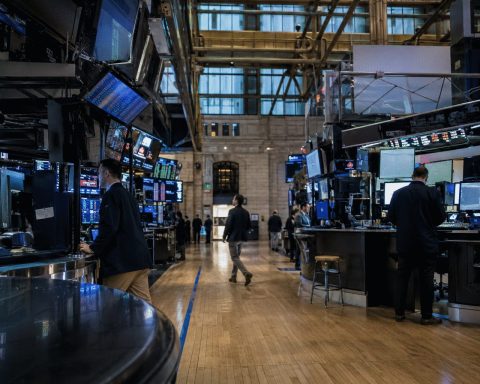
Nasdaq Composite slipped 0.4% to 24,738.40 on Monday, pausing after its recent highs as traders pared back tech holdings ahead of earnings from Microsoft, Alphabet, Amazon, Meta Platforms, and Apple. The S&P 500 edged 0.16% lower, while the Dow barely budged, according to LSEG data cited by Reuters.
The pullback stands out, with this week forcing the AI trade to deliver actual numbers instead of hype. About 44% of the S&P 500 by market cap—by Raymond James’ estimate—are reporting, so investors get a rapid check: is all that AI spending finally showing up as real revenue and profit? Reuters
Oil moved sharply, with Brent crude jumping 2.44% to $107.90, according to Reuters market data. The latest gains came after U.S.-Iran peace talks hit a dead end, keeping the Strait of Hormuz in traders’ sights. Energy prices like these risk stoking inflation, which could complicate any moves by the Federal Reserve to lower rates.
“Earnings have taken center stage for investors, but the Iranian conflict keeps humming in the background,” Peter Andersen, founder at Andersen Capital Management, said to Reuters. “There’s really no sign of any resolution happening.” Reuters
AI buzz pushed Qualcomm higher before the bell. Shares popped after analyst Ming-Chi Kuo of TF International Securities flagged that OpenAI is teaming up with Qualcomm and Taiwan’s MediaTek on AI-first smartphone chips—mass production could land in 2028, Kuo said. Qualcomm, MediaTek and OpenAI didn’t respond to Reuters’ requests for comment.
Reuters says that would nudge OpenAI nearer to Apple and Samsung—who together hold around 40% of the worldwide smartphone market. The move keeps the smartphone right in the thick of the AI fight, despite investors focusing on cloud servers, graphics chips, and data centers lately.
Microsoft shares slipped after the company and OpenAI adjusted the terms of their alliance. While OpenAI called Microsoft its main cloud partner, the software giant’s license to OpenAI’s models is now non-exclusive—so OpenAI can work with other cloud operators, too. Microsoft is dropping its revenue-share payments to OpenAI; meanwhile, OpenAI will keep making payments to Microsoft through 2030, up to a set cap.
This shift gives Amazon and Google a wider path into OpenAI distribution. Microsoft shares were down in premarket action, with some investors seeing the change as eroding a once-valuable edge, Reuters reported.
Nvidia remained a key driver among market leaders. The chipmaker’s value climbed back above $5 trillion, Reuters reported, following a 4.3% jump in the prior session. Tech shares powered Friday’s advance, pushing both the S&P 500 and Nasdaq to fresh record closes.
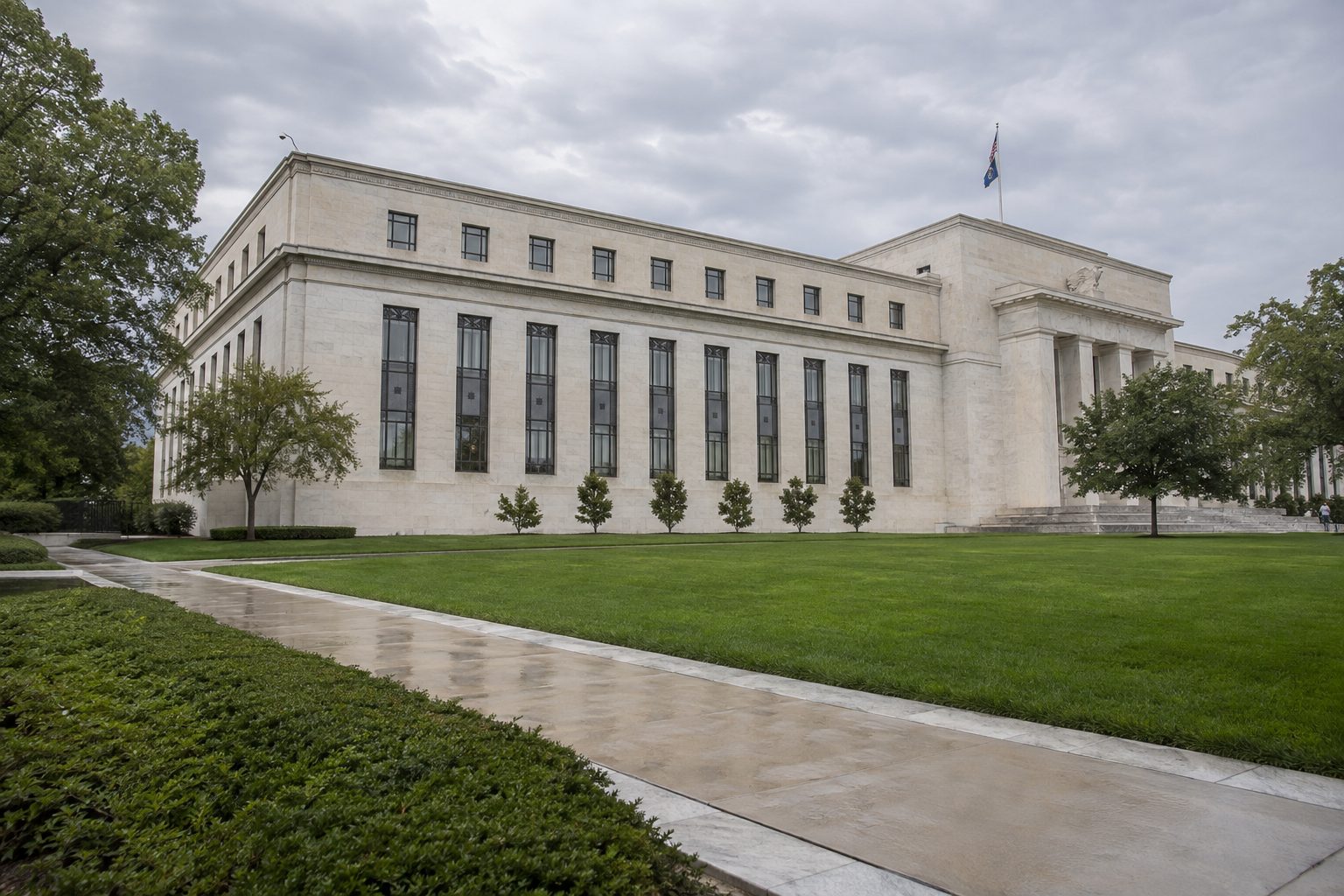
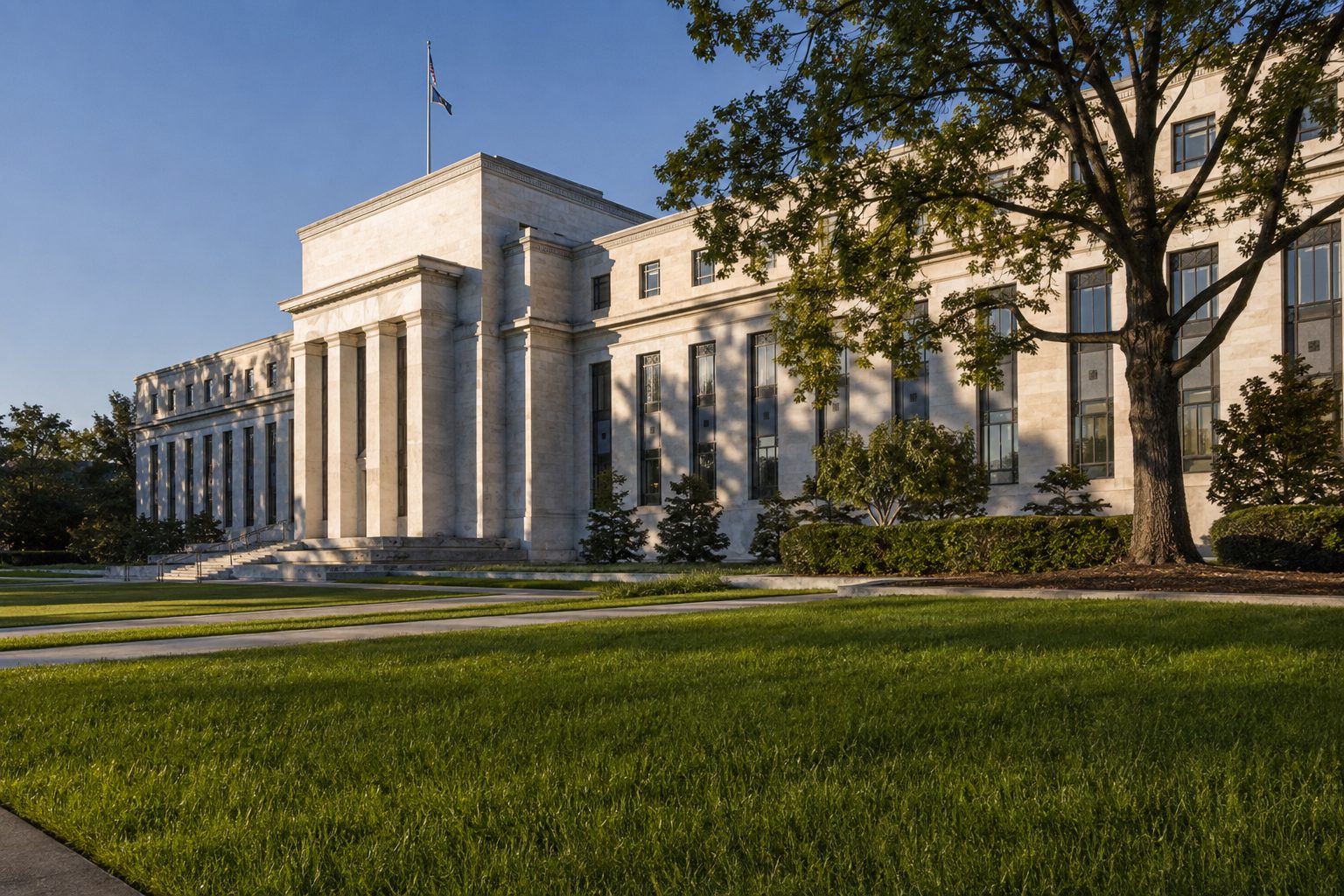
The Fed’s latest meeting is shaping up as another hurdle. Investors are bracing for no change in rates, with a Reuters poll from last week indicating the central bank likely won’t move to cut for at least six more months. Jefferies chief U.S. economist Thomas Simons noted there’s now a clearer path for Kevin Warsh to be confirmed as Fed chair before the June policy meeting.
Here’s the snag: if oil prices heat up, investors might start fretting about inflation all over again. Toss in a slight letdown from Big Tech—maybe they dial back on AI investments or cloud growth sputters—and the Nasdaq could take a bruising. The Dow? It’s less tied to those megacap tech giants fueling the surge, so it’s not as vulnerable.
Related articles: NASDAQ:META