
New York, January 21, 2026, 06:49 EST — Premarket
- U.S. Henry Hub February natural gas futures jumped nearly 20% in early trading, building on Tuesday’s strong surge.
- Traders cited colder U.S. weather forecasts and short covering as key factors behind the move.
- Attention turns to Thursday’s U.S. storage report and demand figures due in late January.
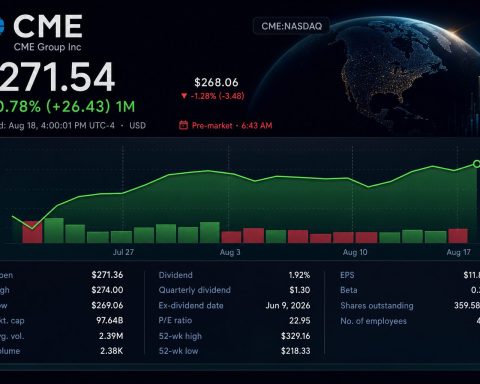
U.S. natural gas futures surged once more early Wednesday, with the February NYMEX Henry Hub contract climbing 19.7% to $4.675 per mmBtu, according to CME data.
The shift comes as weather once again dominates the market. A colder trend heading into late January is pushing traders to rapidly adjust heating demand forecasts, catching some bearish bets off guard.
The prompt month is crucial—it’s where the physical squeeze hits first. When the front-month contract jumps, utilities and industrial buyers often face sharp price increases, and gas-linked equities and ETFs usually track that move.
On Tuesday, the February contract jumped 26.7%, closing at $3.932 per mmBtu—its sharpest daily gain since January 2022. Traders attributed the rally to short covering after U.S. CFTC data revealed speculative short positions hitting their highest level since November 2024. Meanwhile, LSEG put Lower 48 output at 108.8 billion cubic feet per day so far in January, with total demand, including exports, set to rise next week. In the cash market, next-day gas prices in New York soared nearly 200% to $11.76 per mmBtu. Prices at Waha Hub in West Texas, however, remained negative due to pipeline constraints, the report noted.
“Cold weather risk became a reality,” said Price Futures Group analyst Phil Flynn. Gelber & Associates noted that two-week weather model runs showed an increase of more than 200 billion cubic feet in implied demand since Friday. They also pointed out that production remains “stout,” with the approaching cold peak continuing to pose freeze-off risks. Energy Intelligence
Supply concerns remain. APA Corp cut roughly 91 million cubic feet per day of U.S. natural gas output in Q4, citing weak prices.
Gas-linked trading vehicles tracked the market’s move. The U.S. Natural Gas Fund (UNG), an ETF linked to U.S. gas futures, jumped 19.75% Tuesday, finishing at $12.37.
This week, a bit of jargon is carrying weight. A “freeze-off” refers to a drop in gas production caused by freezing equipment and pipelines. Meanwhile, “bcfd” stands for billion cubic feet per day—a common industry metric for flows and demand.
However, the market can shift just as fast in the opposite direction. Should forecast models trend warmer, or if production and pipeline flows prove more resilient than expected, the rally could falter and spreads might tighten.
Traders are focused on the late-January cold spell for clues on whether the paper rally is spilling into the physical market. Key indicators include regional cash prices, LNG feedgas flows, and the February–March spread.
The next key event is the U.S. Energy Information Administration’s weekly natural gas storage report, set for Thursday, January 22, at 10:30 a.m. ET. Traders will watch closely to see if withdrawals match the colder forecast or fall short, potentially easing the recent rally.
Related articles: NASDAQ:CME