London, March 21, 2026, 18:37 GMT
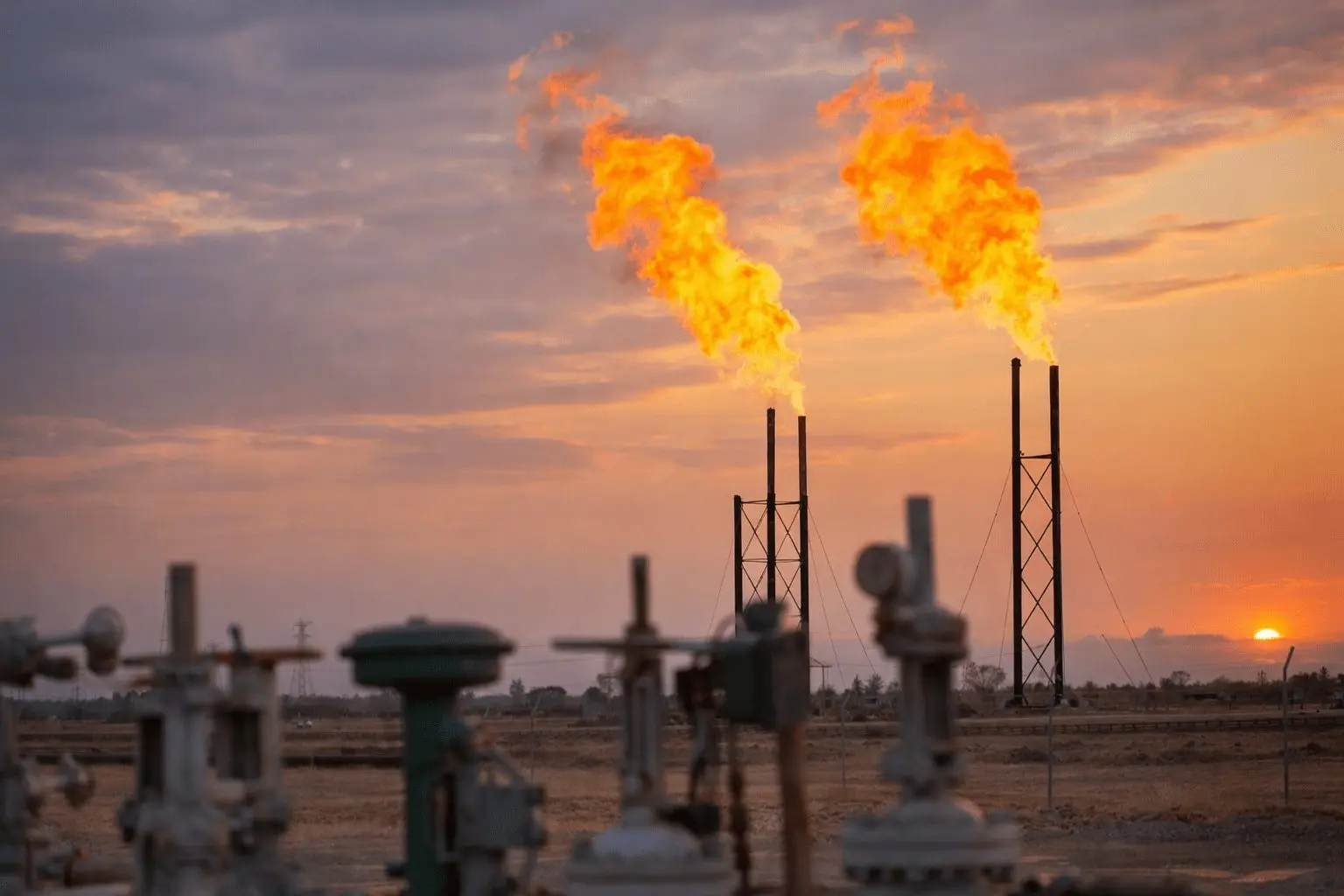
European natural gas prices hovered around levels not seen in three years this week. Iranian missile attacks hit Qatar’s Ras Laffan plant, cutting roughly 17% of the country’s LNG export capacity—a disruption that could linger for as long as five years. The Dutch TTF front-month contract, Europe’s key gas benchmark, finished Friday at about 59 euros per megawatt hour. U.S. Henry Hub gas closed at nearly $3.10 per mmBtu, slipping around 1% for the week following a late-session drop.
The split is significant: Europe leans heavily on global LNG—liquefied natural gas, shipped in cold from afar—right when the continent is gearing up to restock for winter. Qatar accounts for around 9% of the EU’s LNG supply. Now, Asian buyers are set to ratchet up competition for spot shipments. Brussels, looking to sidestep an even tighter market, has told member states to settle for 80% storage, pulling back from the usual 90% goal.
Thursday delivered the jolt. European gas surged up to 35% after strikes rattled several critical Gulf gas facilities. The front-month Dutch contract spiked, briefly reaching 74 euros per megawatt-hour—the highest since January 2023. Saul Kavonic at MST Financial called it a shift into a “doomsday gas-crisis scenario.” Wood Mackenzie’s Tom Marzec-Manser, who leads European gas and LNG, warned prices are “likely to remain elevated for longer.”
Midweek gains in U.S. gas fizzled out by Friday. April Henry Hub futures slipped 2.2% to $3.095 per mmBtu, pulled lower by warmer weather forecasts that dented heating demand. The contract finished below Thursday’s $3.166 close, after briefly pushing past $3.27 during the session, according to market commentary. Since Feb. 28, U.S. gas has climbed about 12%—a modest move compared to Europe’s 91% surge and Asia’s 88% rally, underscoring the sharper global price shocks.
U.S. action lost some steam on domestic signals. The Energy Information Administration reported a 35 billion cubic feet increase in working gas storage for the week ending March 13, pushing totals to 1,883 Bcf—177 Bcf higher than the same time last year and 47 Bcf above the five-year norm. Baker Hughes, meanwhile, counted the gas rig tally down by two, landing at 131, a level last seen in early February.
QatarEnergy chief Saad al-Kaabi put the lost capacity at 12.8 million tonnes of LNG a year, saying repairs could stretch from three up to five years. Force majeure might be unavoidable, he warned, citing contracts tied to China, Belgium, Italy, and South Korea. The company won’t be able to resume production until hostilities end.
Stocks moved quickly. Cheniere Energy surged to a record during Thursday’s session, while Venture Global rallied up to 13% as bets grew that U.S. exporters might pick up some lost Qatari business. Cheniere closed Friday at $280.89, Venture Global at $15.81. Export plants in the U.S. are near full tilt already, so while the value of cargoes keeps climbing, there’s not much room for extra supply in the near term.
The outlook’s still up in the air. Ira Joseph from Columbia University’s Center on Global Energy Policy points out that any hit to Qatar’s North Field expansion means “structurally we have to adjust our LNG prices higher.” But if tensions ease and the U.S. stays warm through late March, Henry Hub could keep behaving more like a domestic spring contract than reacting to global shortage fears. Reuters