
Amsterdam, May 4, 2026, 14:04 CEST
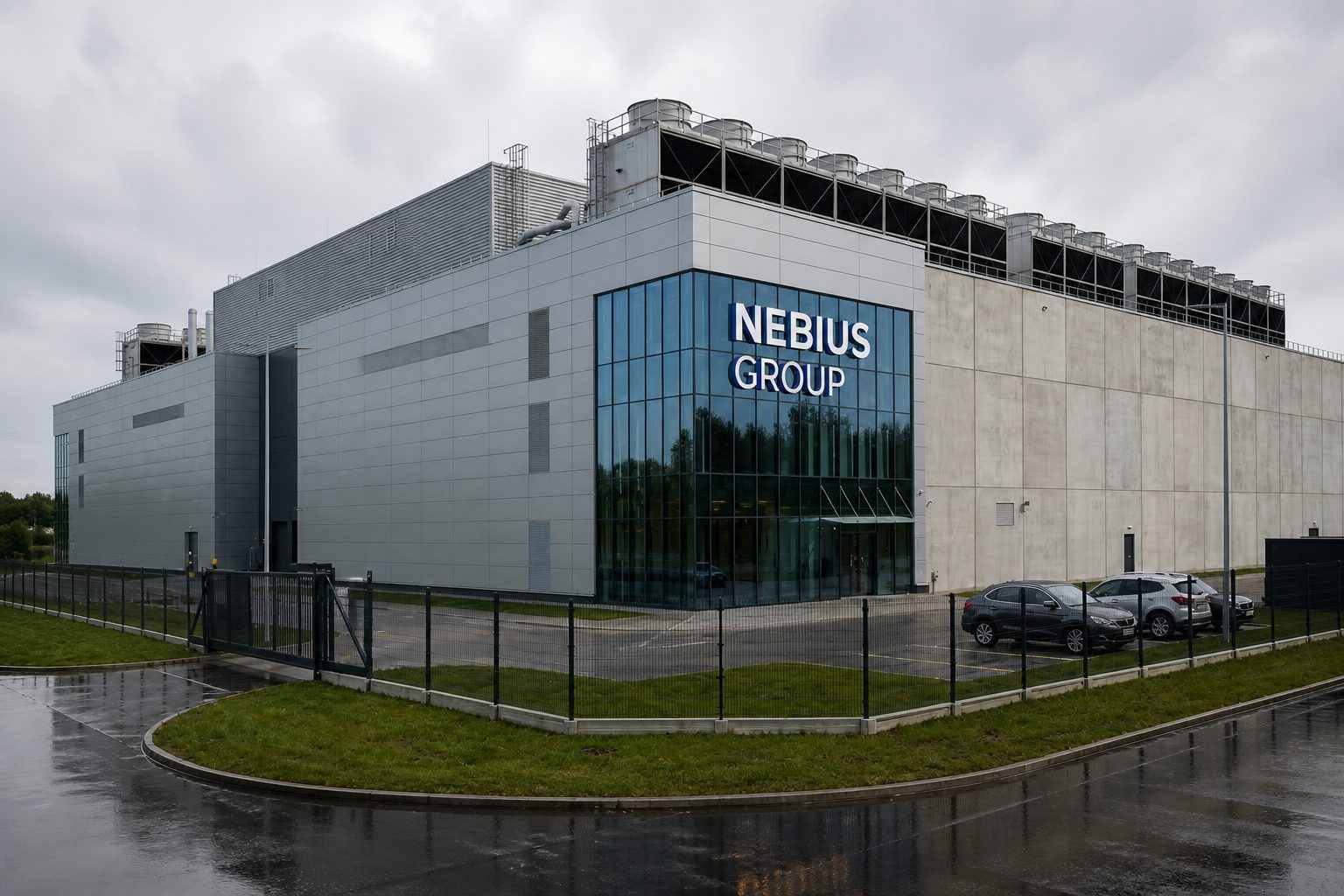
Nebius Group N.V. jumped back into the spotlight Monday, as the Amsterdam AI cloud outfit struck a deal to acquire Eigen AI, the U.S. inference and model optimization startup, for roughly $643 million in cash and stock.
Nebius is set to gain greater software control over inference—the process where a trained AI model generates responses—just as investors question if the rapid expansion of AI cloud companies will translate costly chip and data center investments into steady income. According to a May 1 SEC filing, the deal involves MagicByte Inc., which operates as Eigen AI Labs, and doesn’t require approval from Nebius shareholders.
Nebius shares finished Friday at $154.49, up 11.76%. U.S. premarket data on Monday pointed to more gains. Investors are already kicking the tires on the acquisition, with first-quarter results due May 13—so scrutiny comes early, not months down the line.
The company plans to integrate Eigen AI’s tech into its Nebius Token Factory managed inference platform. Eigen’s founders will set up a Nebius engineering and research hub in the Bay Area. Eigen focuses on boosting production AI model speed and cost efficiency—areas where even minor gains in computing power can add up at scale.
The filing laid out the specifics: as much as $98 million in cash, plus around 3.8 million Nebius Class A shares, depending on the terms. Founders and those staying on get just 15% of their share allotment up front—everything else vests over four years. Most of the payout is locked up, designed to keep employees from jumping ship.
Roman Chernin, co-founder and chief business officer at Nebius, pointed to a need for “optimized inference and infrastructure scale” for AI builders. Eigen AI’s co-founder and CEO Ryan Hanrui Wang said the goal is to allow developers to “run models reliably in production” and not worry about the infrastructure underneath.
With this purchase, Nebius steps right into the thick of the AI compute battle, looking to carve out an identity apart from heavyweight CoreWeave and niche cloud players. The company is betting on a mix of Nvidia-backed infrastructure and a bigger dose of its proprietary software stack. Reuters has tagged Nebius as a leading “neocloud” company—those renting out hardware and cloud muscle to other tech firms focused on AI workloads. Reuters
There’s not much room on the calendar. CoreWeave plans to release first-quarter numbers on May 7, which will hand investors an early look at how demand, margins, and costs are shaping up for AI infrastructure players. Nebius lands six days after that.
Nebius has been pressing bigger clients and suppliers to help bankroll its growth. Back in March, the company unveiled a five-year AI infrastructure deal with Meta that could total around $27 billion: $12 billion locked in for dedicated capacity, plus an option for Meta to buy more compute if needed.
Earlier in March, Nvidia agreed to put $2 billion into Nebius and back an ambitious project: more than 5 gigawatts of Nvidia systems to be rolled out by 2030. The chipmaker’s investment followed Nebius locking in a multi-year infrastructure deal with Microsoft, which centers on reserved capacity from a Vineland, New Jersey data center.
Still, the deal isn’t done yet, and the risks are out in the open. According to the SEC filing, closing hinges on standard conditions—like antitrust sign-off. The company added in its own release that factors like pulling off the integration, holding on to clients, and securing funding could all weigh on its performance. None of that is trivial for a business pushing to expand data center capacity as AI infrastructure costs stay elevated.
Right now, investors see Eigen AI as just an extra layer on top of a broader infrastructure push. The focus shifts next to Nebius: when it reports on May 13, the real question is whether its spending matches up with actual demand—more important than any deal headline this time.
Related articles: Artificial Intelligence