
New York, May 4, 2026, 08:04 EDT
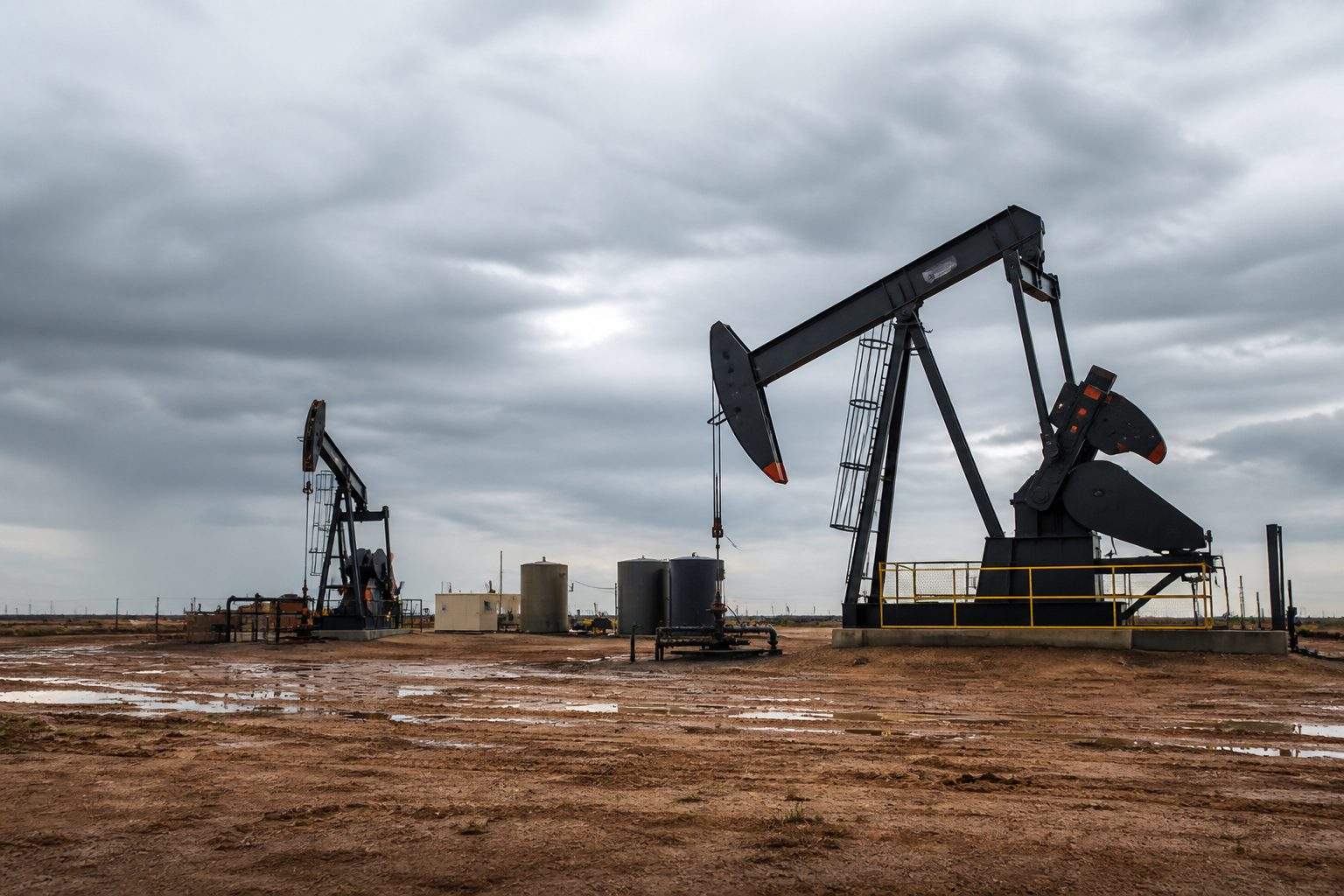
Oil spiked, with Brent crude momentarily climbing past $113 a barrel, before easing back Monday. U.S. stock futures swung sharply after Iran claimed it repelled a U.S. warship near the Strait of Hormuz—though American officials said no vessel had been struck. Nasdaq 100 and S&P 500 futures erased most of an earlier slump that reached 0.5%, according to Bloomberg.
The stakes are high as Washington kicks off “Project Freedom,” aiming to get commercial shipping moving again through Hormuz after weeks of slowed traffic. According to U.S. Central Command, that chokepoint handles roughly a quarter of the world’s seaborne oil, along with sizable shipments of fuel and fertilizer. Backing the effort: guided-missile destroyers, over 100 aircraft, and a force totaling 15,000 service members. Centcom
Dow E-minis dropped 189 points, or 0.38%, ahead of the U.S. cash market open, with S&P 500 E-minis down 0.09% and Nasdaq 100 E-minis edging 0.02% lower, according to Reuters at 6:49 a.m. ET. E-minis are futures contracts linked to stock indexes. “Markets can look through the fog of war if the fog is likely to lift,” said Brian Jacobsen, chief economist at Annex Wealth Management. Reuters
Brent crude climbed 3.4% to $111.81 a barrel as of 1124 GMT. U.S. West Texas Intermediate added 3.3%, hitting $105.34. “The path for prices remains skewed to the upside as long as flows through the Strait remain restricted,” UBS analyst Giovanni Staunovo noted. Reuters
Iran’s navy claimed it gave what it called a “swift and decisive warning” to block “American-Zionist” warships from moving into the strait. According to the semi-official Fars news agency, two missiles struck a U.S. warship near Jask. Reuters couldn’t confirm that, and pointed to an Axios journalist who quoted a senior U.S. official denying any missile strike. Reuters
The plan to move stranded commercial vessels could easily morph into a military showdown over control of the channel. According to The Associated Press, shipping companies and insurers haven’t made it clear whether they’re willing to take on that level of risk. Meanwhile, a U.S.-led maritime center has told ships to stick to Oman’s waters, flagging usual routes as dangerous due to mines that haven’t been fully surveyed or removed.
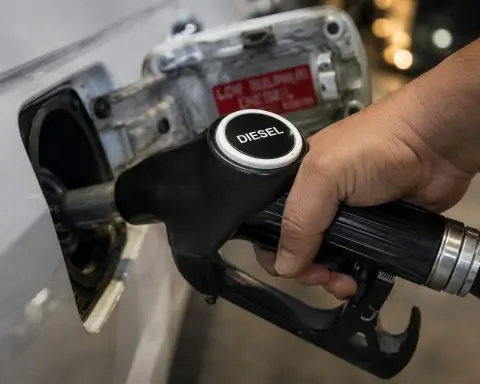
The ripples didn’t stop with oil. The dollar index edged up 0.3% to 98.542. European equities took a hit: the STOXX 600 slipped 0.9%, while the Euro STOXX 50 dropped 1.7%. German 10-year yields climbed 5 basis points, hitting 3.082%, as bond prices slid.
Markets are stuck, with “geopolitical risk” driving oil up and softer U.S. growth muddying the picture, according to Bruno Schneller, managing partner at Erlen Capital Management. For investors, this is the core inflation headache: pricier energy feeds through to consumer and transport bills, but when growth is sluggish, companies have less room to hike prices. Reuters
The shipping plan still lacks specifics. According to Argus, Trump stated neutral ships stuck in the Gulf could depart, yet Iran hasn’t publicly agreed to any arrangement. U.S. Central Command, for its part, referred to backing merchant vessels, steering clear of calling it a traditional naval escort.
Oil traders are gauging if any signs of reopening will actually bring extra barrels to the market. “Normalising the flow” through Hormuz isn’t as simple as Project Freedom, according to Sparta’s June Goh, speaking with Al Jazeera. Saul Kavonic at MST Financial, for his part, warned that markets might be misjudging just how long the strait could stay mostly closed. Al Jazeera
Markets aren’t getting much relief from the competitive picture. OPEC+ will lift June output targets by 188,000 barrels a day for seven countries, according to Reuters, yet those barrels could end up on paper only if Gulf exports keep facing wartime disruptions and costly insurance.
Wall Street’s immediate question: will the oil shock simmer down before trading starts, or push investors to dump risk across the board? Stocks are still moving on headlines — eBay climbed in premarket after GameStop floated an offer to buy it, and Amazon’s decision to share its logistics arm with outside firms dragged down FedEx and UPS. Still, on Monday, Hormuz headlines are steering the action.