CONCORD, New Hampshire, March 30, 2026, 18:08 EDT
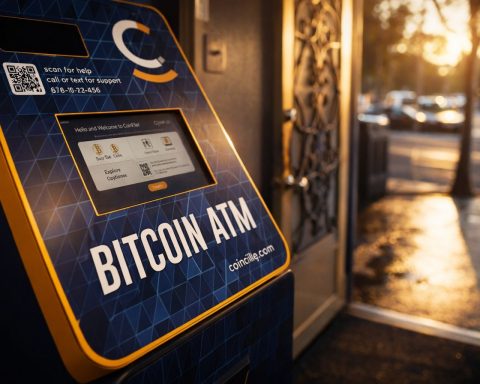
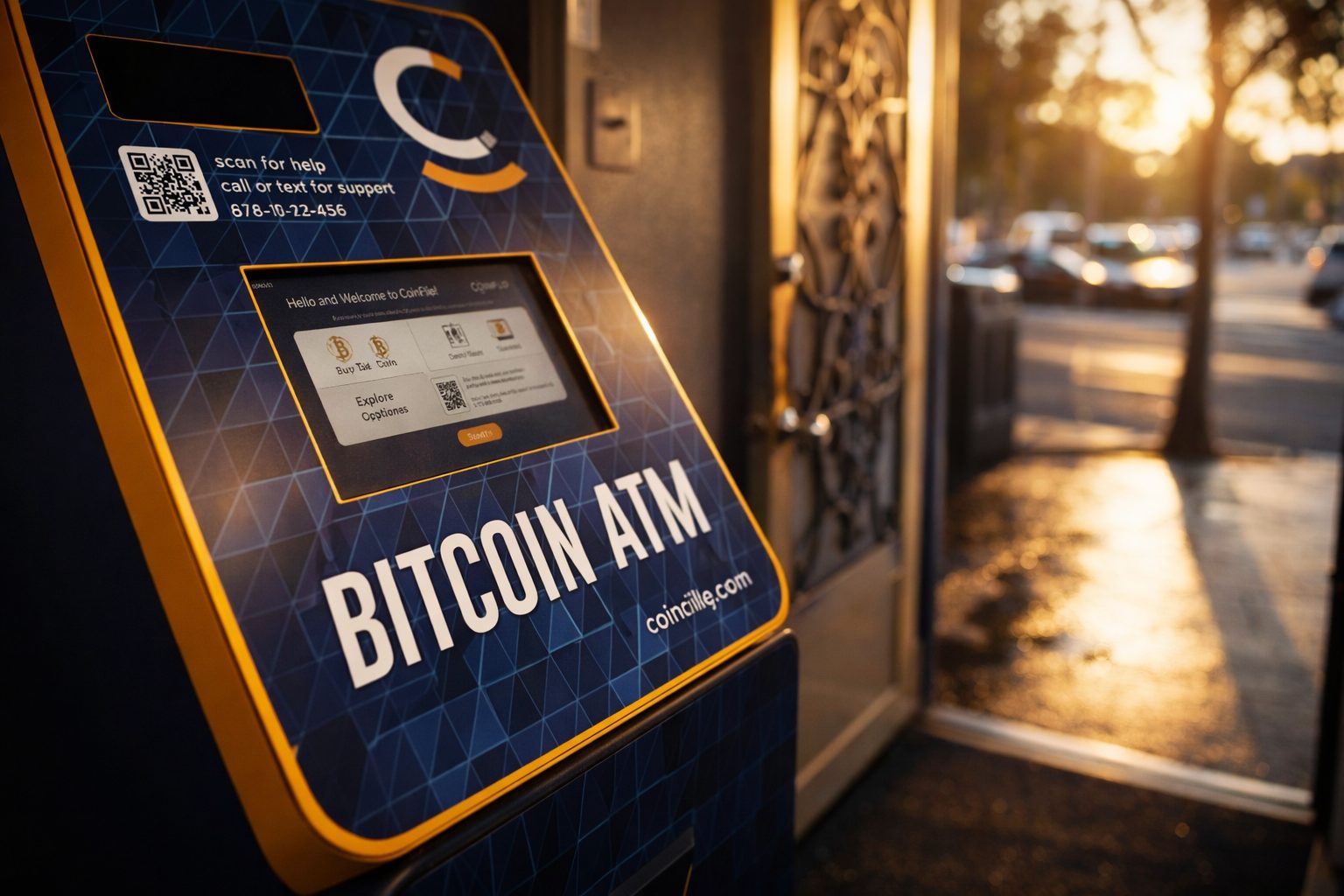
New Hampshire’s Senate advanced a bill targeting cryptocurrency ATM operators, requiring them to reimburse scam victims who file a report within 14 days. The legislation zeroes in on kiosks where people exchange cash for crypto. Next up: House consideration. New Hampshire Public Radio
The issue is drawing attention as scammers increasingly exploit Bitcoin ATMs for impersonation and tech-support fraud. According to Federal Trade Commission figures, reported losses tied to these machines jumped almost tenfold between 2020 and 2023, hitting more than $65 million just in the first half of 2024. The median reported loss? $10,000. Federal Trade Commission
The FTC reports that roughly 71% of all crypto ATM fraud losses so far in 2024 have hit older Americans. In New Hampshire, losses to such scams reached $22 million this year, with Hampton residents alone seeing just over $2.6 million vanish. The average Hampton victim? Age 66, NHPR testimony shows. Federal Trade Commission
Senate Bill 482 sets out several new requirements: operators must keep a new customer’s initial transaction on hold for 48 hours and limit daily transactions to $2,000. Identity checks are mandatory, as are visible fraud warnings during the process. The legislation also mandates blockchain analytics—tools that identify suspicious wallet addresses—and compels operators to issue full refunds, including fees, when victims report incidents to both the operator and law enforcement inside a 14-day window. LegiScan
State Senator Virginia Birdsell didn’t mince words: “This is becoming a scourge on our elderly,” she said while pushing for approval. Supporters point to transaction slowdowns as one of the only real ways to cut off scammers once they’re on the line with a target. Retired police chief John Bryfonski described the bill as “a commonsense, reasonable approach.” AARP-New Hampshire’s Christina FitzPatrick put it bluntly—daily caps are “basically stopping the bleed.” New Hampshire Public Radio
Regulatory momentum is picking up speed throughout the Northeast. According to NHPR, almost 25 states have adopted comparable laws already. Maine, for its part, settled with Bitcoin Depot for $1.9 million and is telling claimants to file by April 1. In Massachusetts, the state took Bitcoin Depot to court back in February, claiming over half the firm’s kiosk revenue came from scams. New Hampshire Public Radio
Warnings aren’t limited to one place. In Ohio, 10TV highlighted Delaware County Sheriff Jeffrey Balzer, who flagged a jump in Bitcoin ATM scams. Out in Omaha, Nebraska, Sheriff Aaron Hanson said scammers got creative: after warning stickers appeared, fraudsters started pushing fake social-media ads featuring someone dressed as a police officer, claiming the machines were actually legitimate “bailing kiosks.” 10TV
“That’s a deepfake image—this police officer isn’t real,” Hanson said. He described the campaign as a “desperate effort” to reassure people getting duped at the kiosks. Fraudsters are shifting tactics as cities and states roll out new protections, he said. https://www.wowt.com
The New Hampshire bill’s fate remains uncertain. It heads to the House, where, according to WMUR, influential lawmakers like Keith Ammon are pushing for less restrictive regulations—meaning the legislation could be watered down before landing on the governor’s desk. LegiScan
Police, regulators, and the bill all hammer home a clear message for consumers: no government office, court, bank, utility, or tech-support rep will ever ask for payment at a crypto ATM. After you feed in cash and send it off, retrieving those funds is far tougher. LegiScan