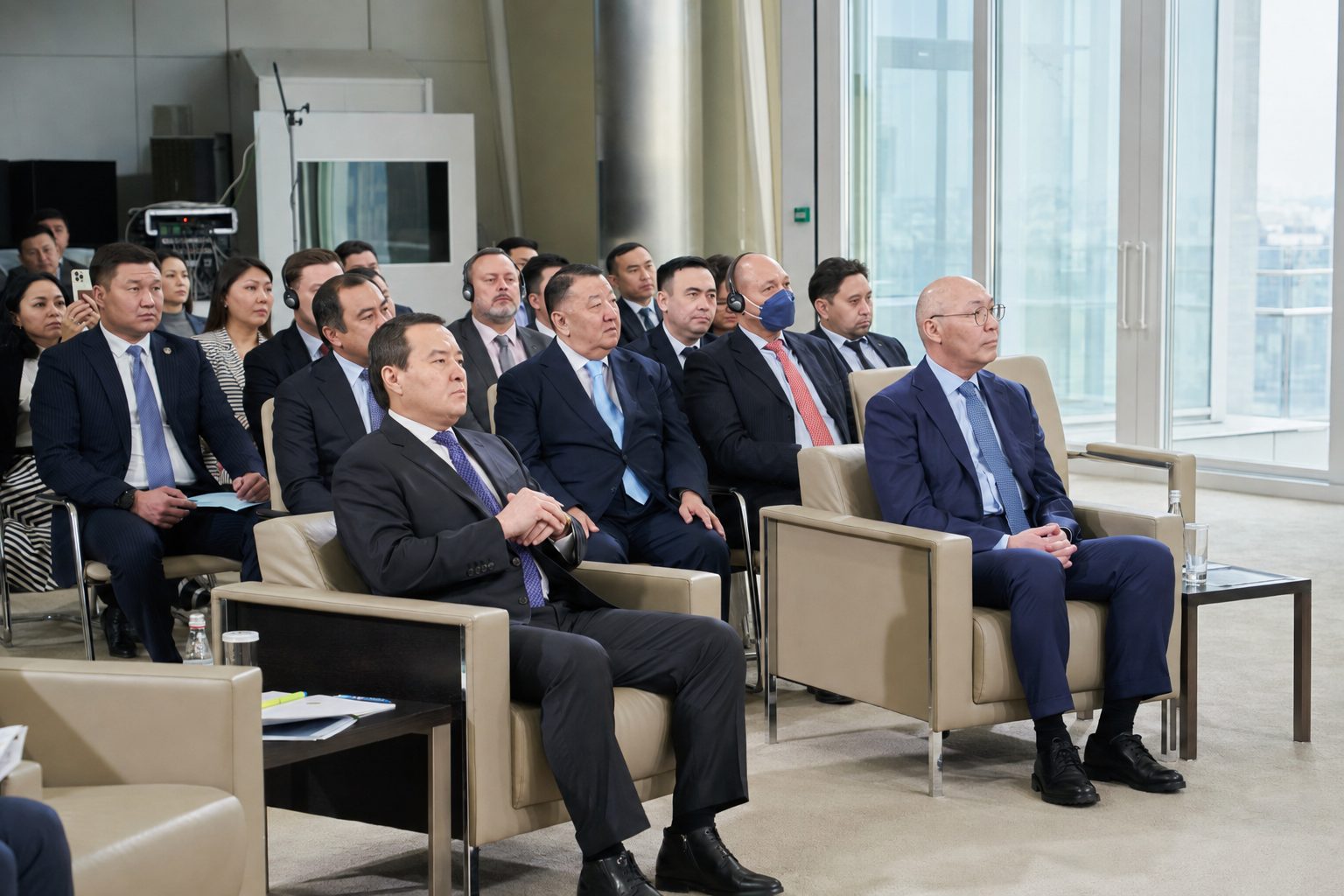

NIKE, Inc. NYSE:NKE stock is getting a rare pre-Christmas pop. In the holiday-shortened session on December 24, 2025, Nike shares climbed to around $60, up roughly 5% on the day, after regulatory filings showed a notable vote of confidence from inside the boardroom: Apple CEO Tim Cook bought nearly $3 million worth of Nike shares on the open market.
That headline is doing what headlines do: moving price. But for investors trying to decide whether this is the start of a sturdier rebound—or just a one-day “Santa rally” sugar rush—the more important question is what this insider buying means against the backdrop of Nike’s latest earnings, margin pressure, tariffs, and ongoing weakness in China.
Below is what’s driving Nike stock today, what Nike just told the market in its fiscal Q2 results, and where analysts’ forecasts and debates sit as of Dec. 24, 2025.
Why Nike stock is rising today: Tim Cook buys $3 million in NKE shares
The key catalyst for Nike stock on Dec. 24 is an SEC filing showing Tim Cook purchased 50,000 shares of Nike on Dec. 22, 2025, at a weighted average price of about $58.97.
Cook isn’t just a famous-name investor—he’s also been on Nike’s board since 2005 and has served as lead independent director since 2016, so markets read this as an unusually visible signal that the board believes Nike’s reset has real upside from here.
Nike director Robert Holmes Swan (former Intel CEO) also disclosed an open-market buy: 8,691 shares purchased Dec. 22 at $57.54, bringing his directly owned holdings to 43,293 shares (plus additional shares held indirectly via a trust).
It helps that this wasn’t some fuzzy “insider accumulation” rumor—these are Form 4 filings, i.e., the dry, paperwork-flavored stuff regulators require for insider transactions. SEC+1
What the SEC filings actually say (and one detail investors often miss)
Two small but meaningful details stand out in the filings:
- These were open-market purchases (not stock grants or option exercises). Cook’s Form 4 notes the shares were purchased in multiple transactions in a tight price range around $58.96–$58.97.
- Nike has a defined trading window policy: both Cook’s and Swan’s filings include language stating that market transactions by officers and directors are generally permitted only after the first full trading day following quarterly earnings and ending on a specified date in the following quarter (with exceptions such as 10b5-1 plans). In other words, this buy happened right after earnings—precisely when the window opened.
That doesn’t diminish the signal—but it’s a useful reality check. The trade was allowed because the post-earnings window opened; the market is reacting because the size and timing suggest conviction after a selloff.
The backdrop: Nike’s fiscal Q2 2026 results were a “beat” with bruised margins
Today’s bounce lands only a week after Nike’s latest earnings report reminded investors that a turnaround can be real and expensive at the same time.
In its fiscal 2026 second quarter ended Nov. 30, 2025, Nike reported:
- Revenue:$12.4 billion, up 1%
- Wholesale revenue:$7.5 billion, up 8%
- NIKE Direct revenue:$4.6 billion, down 8% (including a 14% decline in Nike Brand Digital)
- Gross margin:40.6%, down 300 basis points
- Net income: about $0.8 billion, down 32%
- Diluted EPS:$0.53 Nike Investor Relations+1
Nike’s own language is telling: CEO Elliott Hill described Nike as being in the “middle innings” of its comeback, emphasizing near-term actions under a “Win Now” push—realigning teams, strengthening partner relationships, and rebalancing the portfolio. Nike Investor Relations+1
Wall Street’s reaction to those numbers was harsher than the revenue headline suggests because profitability is being squeezed from multiple directions—some strategic, some structural.
China remains the sore spot: sales down for the sixth straight quarter
The most persistent drag remains Greater China, where Reuters reported sales fell for the sixth consecutive quarter, down 17%.
That matters for two reasons:
- It pressures top-line growth in a region investors historically treated as a long runway.
- It complicates inventory and pricing discipline, because weakness tends to invite discounting, which then hits margins.
Nike has also been trying to regain “cultural cachet” after losing share to newer competitors, with Reuters pointing to brands such as On and Hoka as examples of the “younger, hipper” challengers pulling consumer attention. Reuters
Tariffs are not a footnote: Nike says the hit is $1.5 billion this year
Nike is also battling a policy-driven cost wave. On its earnings call, executives pointed to tariffs as a significant headwind, with Reuters reporting CFO Matthew Friend reiterated expectations that steep U.S. tariffs on key Southeast Asian manufacturing nations would cost Nike $1.5 billion this year.
Nike’s own earnings release also links its gross margin decline primarily to higher tariffs in North America, reinforcing that this isn’t just a narrative—it’s landing directly in reported results.
Analyst forecasts as of Dec. 24, 2025: price targets still imply sizable upside (with caveats)
Even after Nike’s post-earnings drop, many analysts still see upside—though the tone has clearly shifted from “easy turnaround” to “prove it.”
Two snapshots of consensus expectations circulating today:
- Visible Alpha (via Investopedia): average price target around $80.
- StockAnalysis (Dec. 24 view): consensus rating “Buy” with an average price target around $78.65 (targets ranging roughly $62 to $115). StockAnalysis
In other words, the Street’s “center of gravity” remains materially above the current ~$60 level—but the distribution matters: the lower-end targets in the low $60s show that skepticism is very much alive. StockAnalysis+1
Recent price-target cuts: the market heard “longer than expected”
Several firms cut targets after earnings. For example, Investing.com reported UBS maintained a Neutral stance while lowering its target to $62 from $71, framing the turnaround as slower and the valuation still demanding.
Truist also lowered its target (while maintaining a Buy rating), citing China and Converse headwinds, but argued catalysts could emerge as product cycles refresh and major sports moments approach.
The debate on Dec. 24: “Too cheap to ignore” vs. “Margins still the boss fight”
Today’s coverage is unusually split—because Nike is unusually complicated right now.
The bullish/contrarian read: iconic brand, improving wholesale, shareholder returns
A prominent contrarian angle making the rounds on Dec. 24 is that Nike may be getting “too cheap to ignore,” especially for longer-term investors willing to wait through a messy reset.
Motley Fool’s Dec. 24 analysis leans into this: it highlights Nike’s multi-year underperformance, the shift back toward wholesale momentum, and Nike’s capital return profile—pointing out the company has raised its dividend for 24 consecutive years and that the dividend yield has been elevated versus its own history.
Nike’s earnings release also underscores shareholder returns, noting the company’s long dividend-increase streak and approximately $598 million returned to shareholders via dividends during the quarter.
The cautious read: margin pressure + valuation can trap the stock
On the other side, a Dec. 24 Seeking Alpha note argues Nike’s recovery may have momentum in pockets, but margin pressure and macro headwinds could keep the stock range-bound, describing a downgrade from “buy” to “hold” largely due to margins and valuation concerns. Seeking Alpha
This is the core tension for NKE investors right now:
Nike can show improving demand in some areas and still deliver disappointing earnings power if margin repair takes longer than expected.
What to watch next: the few variables that matter more than the headlines
If you strip away the day-to-day drama, Nike stock in late 2025 is basically a story about whether three dials turn in the right direction:
1) Can Nike stabilize China without trashing pricing?
China has been the most persistent weak link (down 17% in the quarter, per Reuters), and investors are increasingly impatient for specifics on timing and trajectory.
2) Can gross margin stop falling while Nike “rebalances” distribution?
Nike is leaning harder into wholesale and retail partnerships again—helpful for volume and brand presence, but typically less margin-rich than direct-to-consumer. Meanwhile tariffs are raising product costs. Nike expects continued pressure, with reporting indicating a further gross margin decline in the current quarter.
3) Does product innovation re-accelerate as older styles get cleared?
Investors want evidence that Nike isn’t just discounting its way through inventory, but actually reigniting demand with newer product cycles. Bank of America analysts, quoted by Investopedia, said they see catalysts tied to innovation progress and the shift away from older styles.
Bottom line for Dec. 24, 2025: insider buying moves the stock—execution moves the outcome
Nike stock’s Dec. 24 jump is real, news-driven, and backed by concrete filings: Tim Cook bought 50,000 shares, and Robert Swan bought 8,691 shares, both on Dec. 22.
But the “why” matters more than the “wow.” The market is essentially being asked to believe that Nike’s turnaround under CEO Elliott Hill—focused on sport-led product, stronger wholesale relationships, and portfolio cleanup—will ultimately outrun very tangible headwinds: China weakness, tariff-driven cost pressure, and margin compression. Reuters+2Nike Investor Relations+2
Analysts still see meaningful upside on paper (targets clustered around the high $70s to ~$80), yet a growing slice of commentary is warning that near-term progress could remain bumpy—especially if margins don’t stabilize.
Related articles: NYSE:NKE