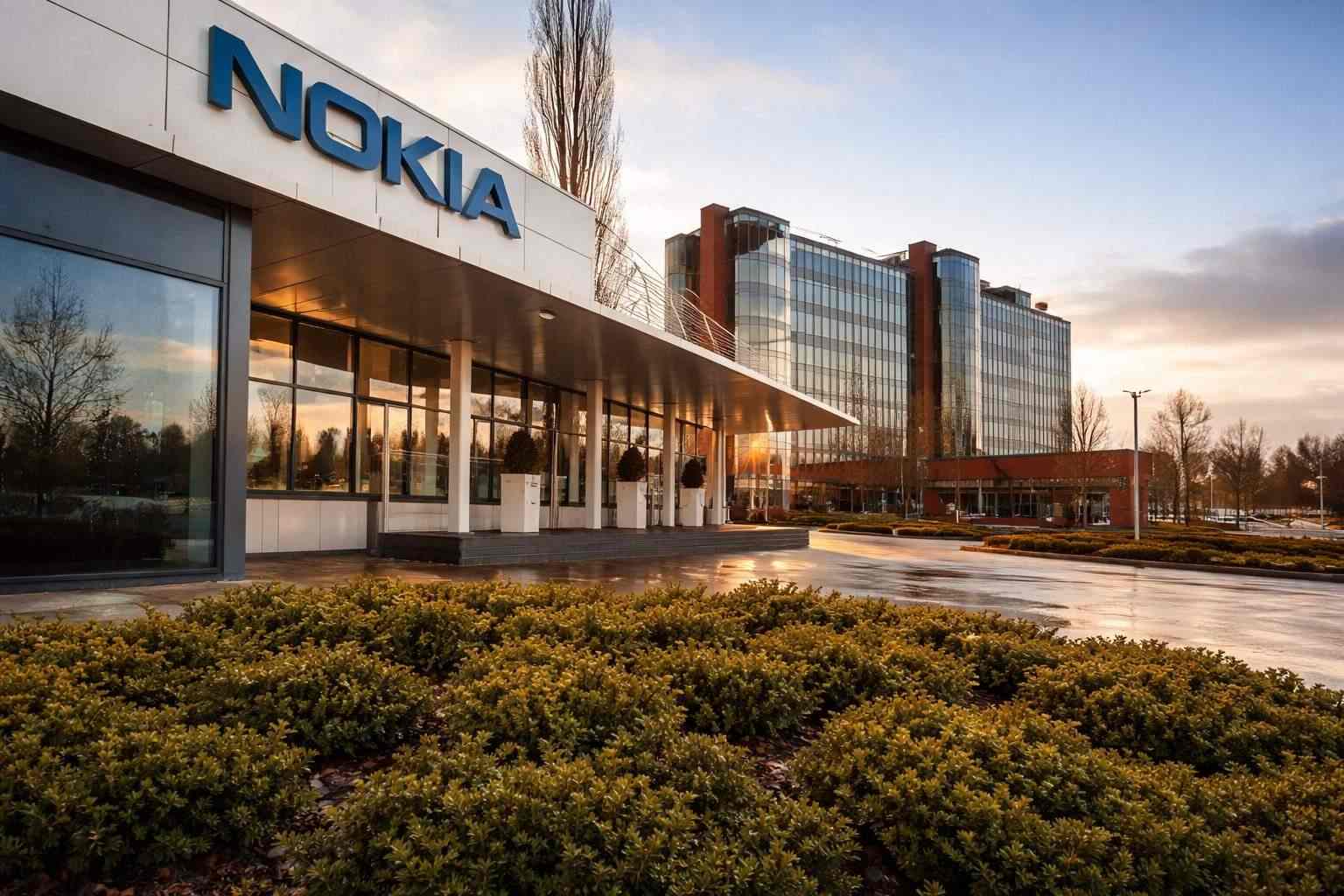

HELSINKI, April 3, 2026, 15:01 EEST
Shares of Nokia jumped 6.65% to $8.82 in U.S. trading Thursday. In Helsinki, the stock gained 2.88%, closing at 7.35 euros. The Finnish telecom equipment maker announced a fresh multi-year 5G deal with Britain’s Virgin Media O2 on March 31.
Why does it matter? Nokia’s under pressure to prove that new operator contracts and AI-driven network demand can make up for inconsistent 5G investment during Chief Executive Justin Hotard’s tenure. Two dates to circle: the annual meeting on April 9 and first-quarter earnings on April 23.
Virgin Media O2 has inked fresh multi-year deals with Nokia and Ericsson to overhaul its radio access network—the crucial link tying devices to the broader mobile system. The UK telecoms group said it’s targeting upgrades at thousands of sites, aiming to boost capacity, strengthen coverage, and enhance reliability.
Nokia’s part of the agreement puts it in charge of supplying both radio and baseband gear, and it’ll also ramp up its work on automation and AI-driven network tools. Mark Atkinson, who runs RAN at Nokia, called the move a chance to “deepen the partnership.” Jeanie York, Chief Technology Officer at Virgin Media O2, said the new deal should “accelerate our 5G rollout.” Nokia Corporation | Nokia
This isn’t small change. Virgin Media O2 has pegged the value of its Nokia and Ericsson supply deals in the hundreds of millions of pounds—deals that are baked into a wider £700 million injection planned for its mobile network in 2026, as data demand keeps climbing. Over the last five years, the company says, network traffic has more than doubled. Its latest 5G rollout claims to cover 87% of the UK population.
Nokia missed out on the biggest piece. Ericsson announced it will serve as Virgin Media O2’s main RAN supplier, handling most of the carrier’s radio network and locking in a deal worth several hundred million euros over five years. That points to Nokia landing just a portion of the UK contract’s total spending.
Still, the timing plays to Nokia’s advantage. Back in January, the group put its 2026 comparable operating profit outlook at 2 billion to 2.5 billion euros. Hotard pointed to “strong demand trends” in Network Infrastructure, crediting AI and cloud players for ramping up orders in optical and IP networks. Nokia Corporation | Nokia
Nokia’s hire of Hotard from Intel put that strategy under the microscope. Back in February, Reuters noted investors were reading his data-centre and AI credentials as a clear signal about the company’s direction following choppy 5G demand and a string of contract setbacks.
Risks remain front and center. Back in January, Nokia flagged potential margin pressure from U.S. tariffs and a softer dollar. The company also highlights stiff competition and unpredictable customer network spending as risks for its 2026 forecast.
That doesn’t give much space for a delayed return. The focus now shifts to next week’s annual meeting in Helsinki and the April 23 earnings—investors want to see if March’s UK contract win delivers more than just a short-lived boost in a market where Ericsson grabbed the larger slice of that same deployment.
Related articles: NYSE:NOK