
New York, June 9, 2026, 18:01 (EDT)
- NuScale Power traded as low as $9.595 and as high as $11.08 before settling at $10.00, off 7.2%. Volume came in at 38.9 million shares.
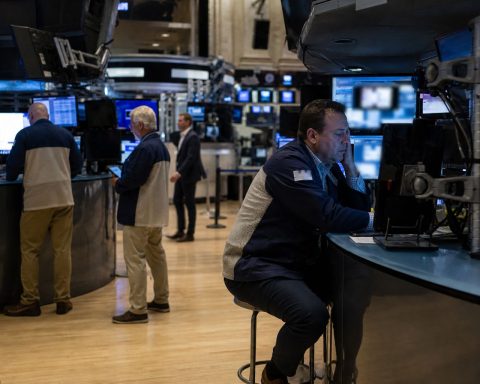
- Nasdaq dropped 0.97% and the S&P 500 slipped 0.26% as tech selling dragged down growth stocks. The move came amid the selloff.
- Shares of Oklo and Nano Nuclear dropped, while BWX Technologies gained. The small-reactor trade was mixed and stayed sensitive to risk.
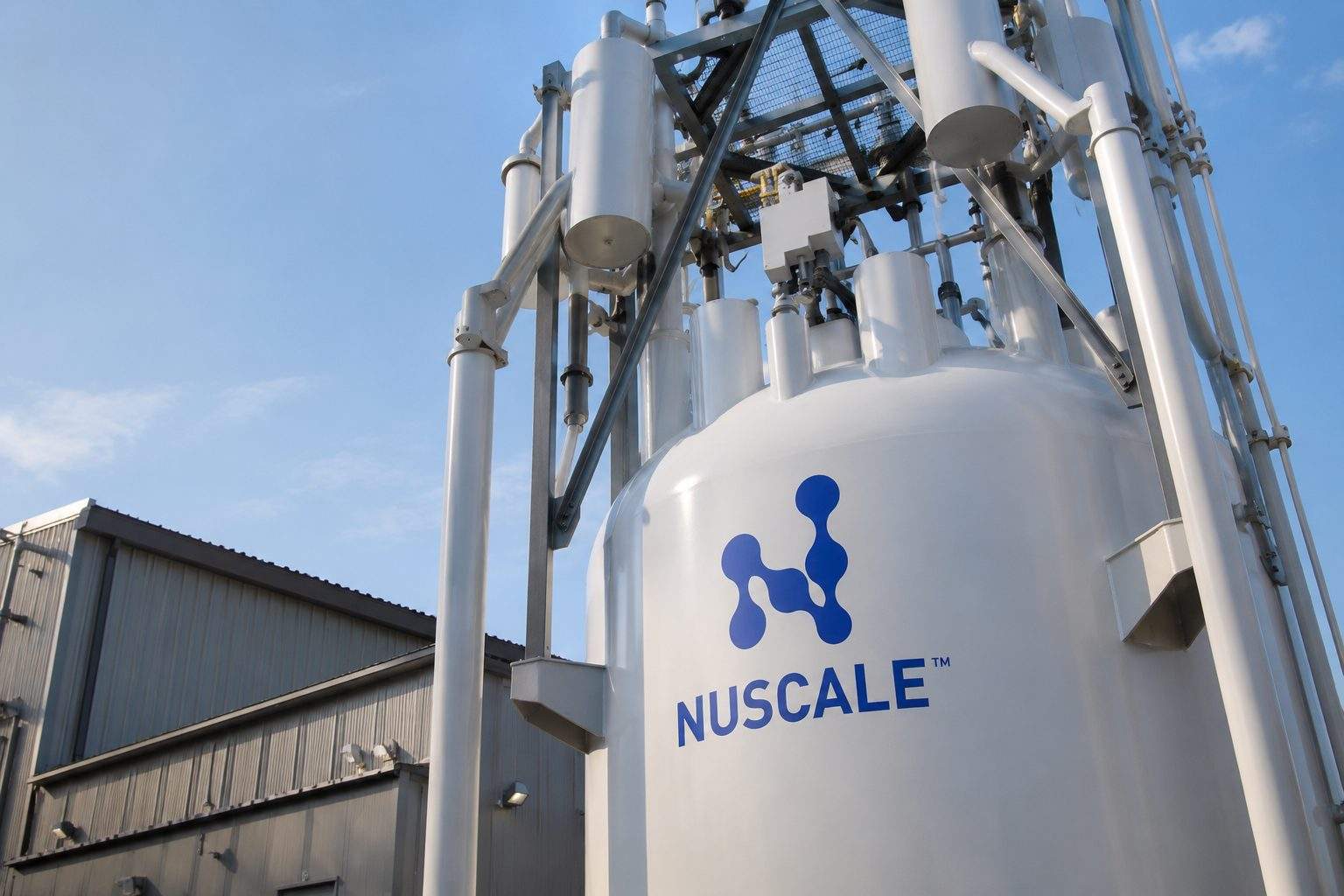
NuScale Power shares dropped hard late Tuesday, pushing the small modular reactor stock close to $10 again as investors pulled back from risk in nuclear names. Shares last changed hands at $10.00, off roughly 7.2%. Market cap stood at about $3.2 billion.
Why it matters right now is clear. NuScale is a traded way to play small modular reactors, or SMRs—factory-made nuclear units set up in clusters—just as AI data centers have utilities and tech firms chasing constant power. Tuesday, the stock’s growth appeal faded. The Nasdaq dropped 0.97% with renewed selling in tech, and the S&P 500 fell 0.26%.
NuScale shares dropped even though there was no new contract news. The company’s most recent press statement, posted June 2, announced board changes, not a new deal or financing.
The stock started the session at $10.84, climbed to $11.08 before dropping to $9.595. The wide swings underline the ticker’s recent reputation as a fast gauge of nuclear risk interest. Volume came in at 38.9 million shares.
Peers traded mixed. Oklo slipped roughly 4.2%. Nano Nuclear Energy dropped 7.4%. BWX Technologies, which supplies nuclear and defense markets, added 0.7%.
NuScale’s first-quarter numbers show the business has yet to catch up to its ambitions. Revenue came in at $565,000, a drop from $13.4 million a year ago. Net loss was $46.7 million. NuScale blamed the revenue drop on the lack of RoPower licensing and Fluor front-end engineering work this year, which had boosted results early 2025.
NuScale president and CEO John Hopkins said in May that “demand for reliable, carbon-free power has never been greater.” NuScale said it wrapped up the first quarter with $1.0 billion in liquidity and capital resources. NuScale Power
NuScale is flush with cash but could see share pressure. The company set up a $1 billion at-the-market (ATM) program, letting it drip more shares into the market as needed. In the first quarter, NuScale sold 3.16 million shares for $37.3 million, net. After March 31, another 22.36 million shares were sold, bringing in $213.5 million, according to a Securities and Exchange Commission filing.
NuScale’s main growth story is still the U.S. and Europe expansion. The company said ENTRA1 and Tennessee Valley Authority are working together under a non-binding deal for up to 6 gigawatts of new nuclear, if they can lock in power purchase agreements. In Romania, Reuters said in February that a 460-megawatt NuScale-based plant might cost $6 billion to $7 billion, with the funding still unresolved.
Regulation is NuScale’s biggest edge right now. The U.S. Nuclear Regulatory Commission signed off on the company’s 77-megawatt reactor design in 2025, after it cleared a 50-megawatt model earlier. Hopkins told Reuters that meant the tech is “near-term deployable,” but added the build timing is “in the customer’s hands.” Reuters
The downside is still there. NuScale is telling investors that results may fall short if it can’t lock in binding module contracts, if there are delays in manufacturing or construction, if partners struggle to finance, or if its module power doesn’t stack up on price. That’s the risk shareholders were weighing Tuesday.
Right now, the stock reacts less to quarterly revenue and more to milestones: a paying customer, a power agreement, or signs it can move from regulatory sign-off to actual construction. Without these proof points, NuScale stays vulnerable to the same pressures facing other companies counting on future cash — a softer Nasdaq, pricier funding, and investors losing patience with promises for the 2030s.
Related articles: Technology Trends