
ZURICH, March 9, 2026, 17:09 CET
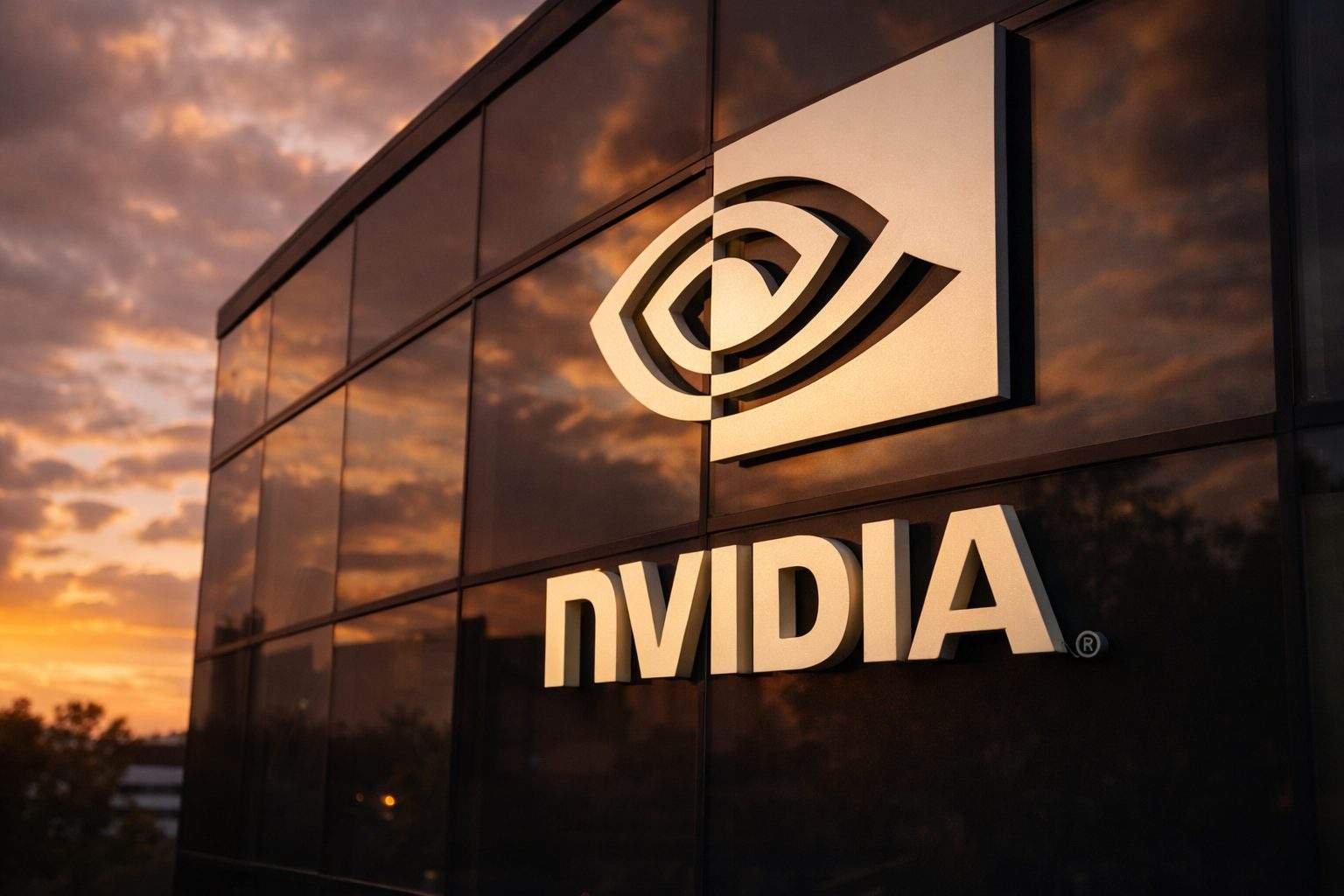
ABB’s robotics arm on Monday announced plans to weave NVIDIA Corporation’s Omniverse libraries into RobotStudio, aiming to help robots trained in simulation perform more predictably when deployed to real-world assembly lines. For Nvidia, the partnership offers a timely industrial spotlight just a week ahead of CEO Jensen Huang’s keynote at the company’s GTC conference in San Jose.
Investors want to see Nvidia deliver new sources of growth outside its main data-center chip business. That segment just sent quarterly revenue surging to $68.1 billion. Still, shares slipped after results landed in late February—despite Nvidia projecting $78 billion in sales for this quarter.
Nvidia’s Omniverse platform handles digital twins—anything from single machines to entire factories. Its partnership with ABB targets the stubborn “sim-to-real” divide, where robots act one way in simulation, another in the real world. Marc Segura, who heads ABB Robotics, claimed the two firms had “closed technology’s long-standing sim-to-real gap.” On Nvidia’s side, robotics exec Deepu Talla pointed out that industry demands “high-fidelity simulation” if AI-powered robots are going to hit scale. NVIDIA Blog
ABB is targeting the second half of 2026 for the launch of RobotStudio HyperReality, a product it says will deliver as much as 99% accuracy translating virtual training into actual operations. According to the company, setup and commissioning could be slashed by up to 80%, while costs drop as much as 40% by cutting back on physical prototyping. Time-to-market, ABB claims, could be halved. Workr, the U.S. firm specializing in robotic workforces, plans to demo these tools at GTC.
Foxconn has started testing the software in consumer-electronics assembly, relying on synthetic data—computer-generated training sets—to train robots before they hit the shop floor. ABB claims that approach can bring the systems live with 99% accuracy, all while slashing the need for physical tests, trimming setup time, and cutting costs.
Nvidia’s tie-up with ABB slots into its wider robotics ambitions. Back at CES in January, Nvidia introduced what it calls “physical AI” models—software designed to let machines interpret and respond to the physical world—and announced that its robotics stack is already in play at partners like Boston Dynamics, Caterpillar, LG Electronics, and NEURA Robotics. NVIDIA Newsroom
Nvidia remains the leading force in AI accelerators—the chips powering large AI model training and inference. Yet this week, Broadcom told investors its custom AI chip revenue could top $100 billion next year. AMD, for its part, is gearing up to launch a new flagship AI server later this year and has already secured deals with former Nvidia clients. Big tech groups are on track to pour over $600 billion into AI infrastructure in 2024.
Still, there’s no guarantee this pays off. eMarketer analyst Jacob Bourne, reacting to Nvidia’s results, flagged that the “competitive picture is also shifting.” Over at D.A. Davidson, Gil Luria called Broadcom’s 2027 visibility “very encouraging”—suggesting custom silicon is starting to look like a real contender next to Nvidia’s gear. Robotics software could take longer to matter if factory clients don’t pick up the pace. Reuters
Nvidia stock climbed 0.9% as of 11:49 a.m. ET Monday, putting the chipmaker’s market cap near $4.53 trillion.
Related articles: NASDAQ:NVDA