
New York, Jan 15, 2026, 09:32 EST — Regular session underway.
- Nvidia shares dropped early Thursday after new U.S.-China policy hints cast doubt on the prospects for its H200 AI chip.
- Washington has officially authorized H200 exports to China, imposing new conditions, as Chinese officials tightened restrictions on entries, a report revealed.
- Traders await clearer guidance on China purchase rules, decisions on U.S. exemptions, and Nvidia’s results due February 25.
Nvidia shares dropped early Thursday in U.S. trading after a Reuters report revealed Chinese customs agents were instructed to block the company’s H200 AI chips from entering the country. The stock slipped 1.5% to $183.14, down from $185.85 at Wednesday’s close. The report also noted that some Chinese tech firms were advised not to buy the chips unless absolutely necessary, though it remains unclear if this is a formal ban or a temporary restriction.
The China news hits a stock that’s turned into a barometer for global AI investment and the limits governments might impose on advanced computing. For investors, China isn’t simply another market—it’s a place where policy shifts can rapidly rewrite revenue forecasts.
The whiplash is especially significant since the H200 ranks near the top of Nvidia’s lineup, and any hiccup tends to send shockwaves through suppliers, customers, and competitors. Stricter restrictions in China also highlight the chip sector’s ongoing reliance on cross-border manufacturing and logistics.
On Tuesday, the Trump administration formally approved sales of the H200 chip to China but imposed new conditions, including mandatory third-party testing prior to export and limits linked to U.S. customer volumes. Nvidia praised the move, saying it “strikes a thoughtful balance that is great for America,” arguing the decision supports U.S. firms’ competitiveness. Meanwhile, a Chinese embassy spokesperson condemned the restrictions as measures that “disrupt the stability of industrial and supply chains.” Reuters
Washington tightened the screws on Wednesday, imposing a 25% tariff on imports of select advanced AI chips, including Nvidia’s H200, citing national security concerns. The White House stressed the tariff would be narrowly targeted, exempting chips and devices brought in for U.S. data centers and certain other applications. Commerce Secretary Howard Lutnick holds the authority to approve further exemptions. The directive also mandates that China-bound chips must pass through the U.S. for third-party testing, making them liable for the tariff upon entry.
Nvidia scored a notable ecosystem win on Thursday as SiFive announced plans to integrate Nvidia’s NVLink technology into its RISC-V chip designs. The move aims to accelerate data transfer between CPUs and Nvidia’s AI processors. SiFive CEO Patrick Little called it “a multi-generational commitment,” pledging NVLink support across multiple future product cycles. However, he cautioned that chips featuring this tech won’t likely hit the market until 2027 or beyond. Financial details were not made public. Reuters
That announcement highlights Nvidia’s push to secure the infrastructure around its chips, not just the chips themselves. But this is a long-term play; on Thursday, traders zeroed in on the more immediate issues—how shipments to China and tariff regulations will unfold.
Sentiment across the semiconductor sector has been jolted by signs of rising AI infrastructure investment. TSMC’s move to boost its 2026 capital spending outlook to $52 billion-$56 billion reinforced expectations that AI chip demand is robust. ASML shares jumped in Europe following the news. “The market has underestimated again how large is the demand for AI,” said Han Dieperink, chief investment officer at Aureus, which holds a position in ASML. Reuters
For Nvidia investors, increased foundry spending signals a capacity boost down the line, especially with customers pushing for more supply. It won’t erase short-term policy risks but could ease concerns that AI demand is fading.
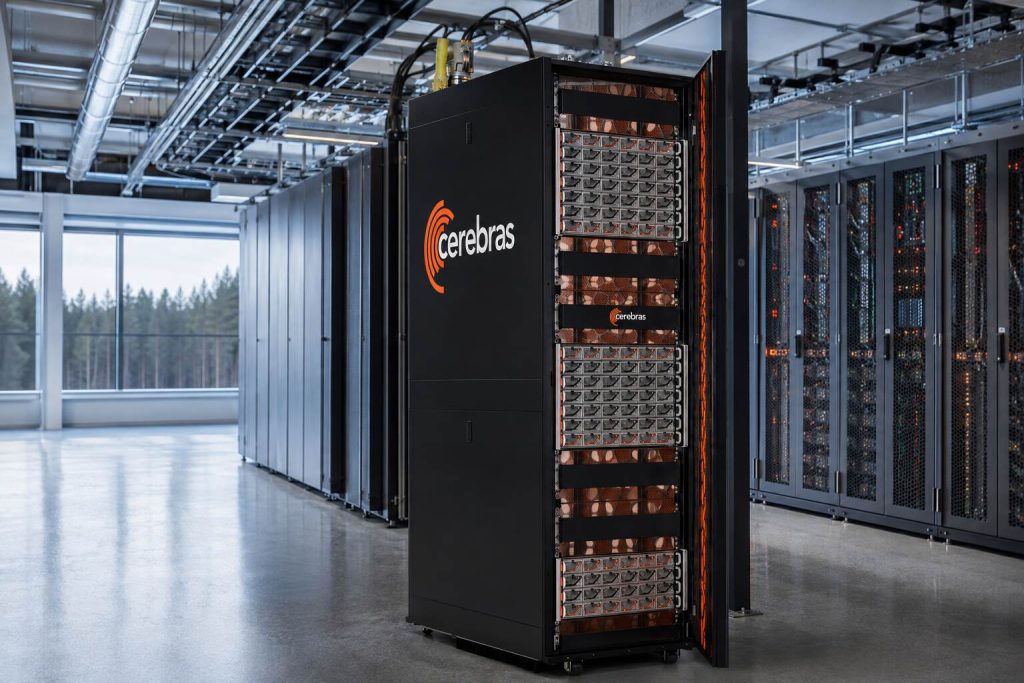
The risk lies in China’s signals hardening into a lasting blockade, or in compliance rules and tariffs creating enough friction that customers can’t easily find workarounds. Competition is also creeping into the story: OpenAI announced plans to buy up to 750 megawatts of computing power from chipmaker Cerebras over three years. Cerebras, a rival to Nvidia in AI hardware, is said to be part of a deal worth more than $10 billion, according to a source. It’s a single contract, yet it fuels the debate on whether major buyers are beginning to shift away from Nvidia-centric setups.
Traders are now awaiting clarity from Beijing after Nikkei Asia reported that China is drafting rules to limit how many advanced AI chips local firms can import, effectively permitting some sales instead of imposing a full ban. Reuters said it couldn’t immediately verify the report, and Nvidia declined to comment. In Washington, investors are focusing on how widely the tariff order will be enforced and whether additional exemptions might come through. Nvidia is set to release its Q4 fiscal 2026 results on Feb. 25.