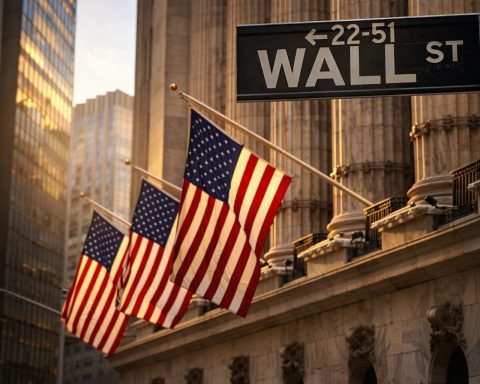
NEW YORK, January 3, 2026, 07:55 ET — Market closed
Intercontinental Exchange (ICE), the owner of the New York Stock Exchange, fell 1.22% on Friday to close at $159.99, extending a three-session skid and slipping just under the $160 mark. Shares traded about 2.1 million shares, roughly 1.5 million below the stock’s 50-day average volume, and remained about 15.5% below a 52-week high hit in August, according to MarketWatch data. MarketWatch
The move matters because ICE sits at the center of how investors trade and hedge risk, from equity listings at the NYSE to derivatives and clearing. When markets swing, volumes tend to rise, and exchange operators often see the effect quickly in transaction and data demand.
That sensitivity is coming into sharper focus as investors reset positioning for 2026 and wait for fresh signals on growth, inflation and interest rates. The first big macro prints of the year can change expectations for Federal Reserve policy, which in turn can change volatility — the day-to-day market movement that drives trading.
Broader U.S. stocks ended mixed on Friday, with the Dow up 0.66% and the S&P 500 gaining 0.19% while the Nasdaq slipped 0.03%, helped by a rally in chipmakers including Nvidia and Intel. “The market is seeing a ‘buy the dip, sell the rip,’ trading mentality,” Joe Mazzola, head of trading and derivatives strategy at Charles Schwab, told Reuters. Reuters
Exchange stocks did not follow the Dow’s lead, and investors treated the group more as a bet on activity levels than on index direction. In quiet stretches, exchange operators can lean more on recurring revenues like market data and listings, but investors still tend to price the group off expectations for trading intensity.
What comes next could set the tone. The U.S. employment report due Jan. 9 is expected to show payrolls rose by 55,000 in December, according to a Reuters poll, after a 64,000 gain in November, with unemployment at 4.6%. The Fed cut rates at its last three meetings of 2025 and the policy rate now sits at 3.5%–3.75%; Fed funds futures — contracts that reflect where traders expect the policy rate to go — show little chance of a cut at the late-January meeting and close to a 50% probability of a quarter-point reduction in March. Investors also face CPI inflation data on Jan. 13 and the start of major U.S. bank earnings that week, beginning with JPMorgan on Jan. 13. Reuters
For ICE shareholders, the near-term read-through is straightforward: stronger jobs or inflation can shift rate-cut expectations and jolt equity multiples, while weaker data can revive recession worries. Either outcome can lift volatility, and volatility tends to pull more hedging and trading through the pipes that exchanges run.
Before markets reopen on Monday, traders will be watching whether ICE can hold the $160 area after Friday’s close just below it. A decisive break lower would put the focus on where buyers step in, while a rebound would reinforce the stock’s tendency to trade around round-number “technical” levels that many short-term investors track.
The next company-specific milestone is ICE’s fourth-quarter 2025 earnings conference call, scheduled for Feb. 5 at 8:30 a.m. ET, when investors will look for updates on trading trends, recurring data revenues and management’s 2026 outlook. Intercontinental Exchange