
UPDATE: Houston, April 8, 2026, 10:20 (CDT).
Occidental clawed back part of its premarket loss, yet shares remained 6.6% lower at $58.76 in morning action. The stock had opened at $56.40, sinking to an intraday bottom of $56.25 before bouncing.
Oxy took another hit, with Brent crude sliding to roughly $90.40 a barrel. The latest U.S.-Iran ceasefire—marking a two-week halt in U.S. strikes and an agreement to reopen the Strait of Hormuz—triggered a fresh wave of selling among oil-related names.
Occidental shares slipped, standing out as the broader market climbed on the ceasefire headlines—investors hit the energy sector hard while other stocks rebounded.
Houston—It’s April 8, 2026, clock just past 6:16 a.m. CDT.
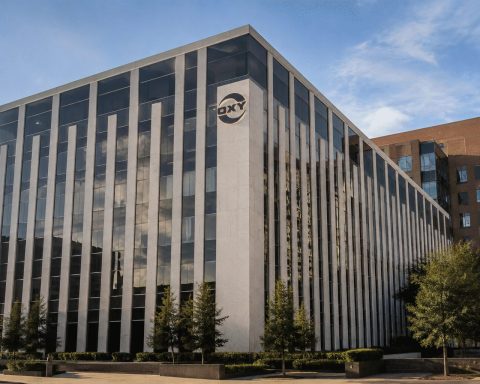
Occidental Petroleum was on pace for a 7.8% drop in premarket trading Wednesday, mirroring softer oil prices after news of a U.S.-Iran ceasefire. Yet Wolfe Research raised its price target for Occidental to $70 and stuck with its outperform rating, leaving the stock in focus for traders.
Oxy’s choices just got narrower. The company unloaded OxyChem to Berkshire Hathaway for $9.7 billion, slashed its principal debt to $15 billion, and now stands as a leaner oil-and-gas player. Investors are already zeroing in on what comes next for the leadership team.
Wolfe’s new price target suggests an upside of about 11.8% from Monday, according to MarketBeat. Even so, most analysts remain cautious. The consensus stays at Hold, with an average target of $59.52. Exxon and Chevron slipped in premarket action, following crude lower.
Oxy is pushing back against what it sees as an undervaluation, arguing its balance sheet looks stronger than the share price implies right now. CEO Vicki Hollub called 2025 “an exceptional year for Oxy,” pointing to “operational excellence and cost efficiency” as reasons the company is beating its own full-year guidance. On the call with analysts, Ken Jackson said the company is aiming for an additional $500 million in savings in 2026. CFO Sunil Mathew, for his part, forecasted over $1.2 billion in improved free cash flow, including about $365 million in interest cost reductions. Oxy
This isn’t your ordinary C-suite shake-up. According to Reuters, which cited sources on March 26, Hollub, 66, plans to step down later this year. Jackson, promoted to chief operating officer in October and known for championing enhanced oil recovery to squeeze more out of mature fields, is widely expected to be next in line. Oxy won’t comment on the chatter.
If Hollub exits, she’ll be handing off a retooled Occidental—a company marked by splashy, sometimes divisive decisions. Back in 2019, the $55 billion Anadarko deal—outbidding Chevron after a bruising contest—was fueled in part by $10 billion from Warren Buffett’s Berkshire. This year, Oxy closed the OxyChem sale, sending that unit to Berkshire as well. Hollub has pointed to a jump in U.S. output, now 83%, up from just 50% in 2015.
There’s no ignoring the risk. If crude keeps dropping and the ceasefire holds, stocks buoyed by oil gains and debt improvements could lose momentum before Jackson lays out his capital plans. “Uninterrupted shipping through Hormuz is essential for oil to get back to pre-conflict levels,” Matt Britzman at Hargreaves Lansdown told Reuters. Still, Oxy says 84% of its resources can turn a profit with prices under $50 a barrel. Reuters
Oxy sits wedged between a bullish analyst call and unsettled price action. First-quarter results drop May 5, followed by a May 6 conference call that could end up telling the real story on its debt, oil strategy, and succession—three issues that remain tangled together.
Related articles: NYSE:OXY