
London, May 9, 2026, 10:40 (BST)
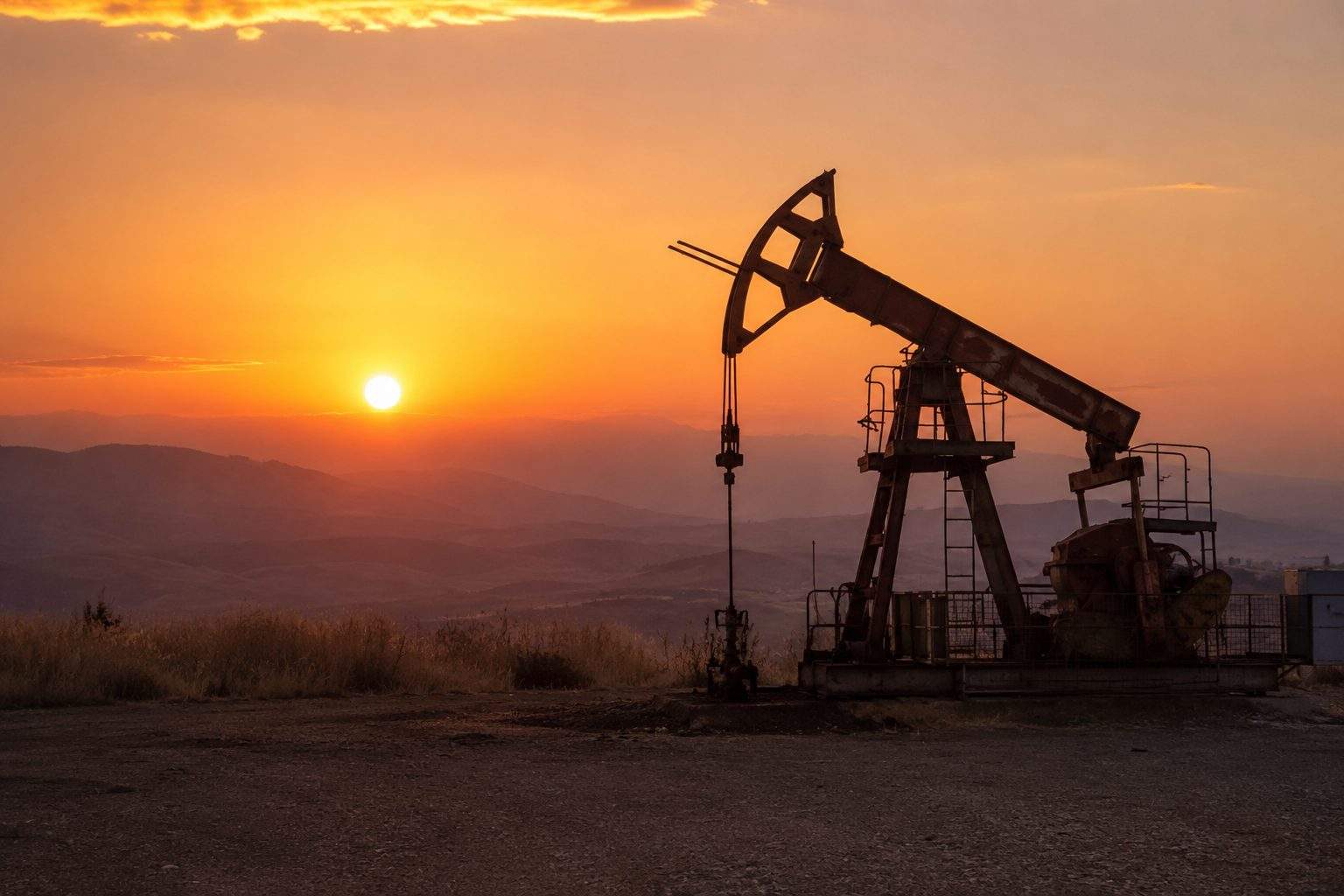
Oil prices managed a bounce on Friday but still wrapped up the week in the red, with traders eyeing U.S.-Iran diplomacy more than the usual supply reports as violence flares near the Strait of Hormuz. Brent crude, the international standard, settled at $101.29 a barrel, while U.S. West Texas Intermediate closed at $95.42. Both benchmarks slid over 6% for the week. “The market is hung between a breakthrough in negotiations and a renewal of the fighting,” said John Kilduff, partner at Again Capital. Reuters
The market’s not just moving with the usual supply swings anymore. China’s crude imports tumbled 20% in April, sliding to 38.5 million metric tons—the lowest mark since July 2022—after the Hormuz shutdown tightened flows to the top oil buyer, according to customs figures.
Bulls got a bit of a lift from fresh U.S. weekly figures, yet the war premium stuck around. The Energy Information Administration reported commercial crude stocks, not counting the Strategic Petroleum Reserve, dropped 2.3 million barrels to 457.2 million for the week ended May 1. Gasoline and distillate inventories also moved lower.
Citi didn’t budge on its short-term Brent call, holding the zero-to-three-month target at $120 a barrel. The bank projects the benchmark will average $110 through the second quarter, sliding to $95 in the third and $80 in the fourth. According to Citi, the market may be shrugging off how persistent or severe the disruption could be, warning traders are “under-pricing duration and tail risks.” Reuters
The U.S. government isn’t calling for fireworks, but there’s a catch baked in. According to the EIA’s April outlook, Brent tops out at $115 a barrel in Q2, then slides under $90 in Q4. All of it hinges, though, on how long the Middle East conflict drags on and how much supply actually goes offline.
OPEC+ is making a point to the market: it has the power to boost supply, even if those promised extra barrels won’t hit the market right away. The group signed off on a 188,000-barrel-per-day quota hike for June, but analysts caution the real-world impact looks minor as Gulf exports are still tight. “Physical supply remains very limited,” said Jorge Leon, an analyst at Rystad and former OPEC official. OPEC+, he added, wants to remind everyone it “still calls the shots.” Reuters
Signals out of U.S. shale remain conflicted. Baker Hughes reported a third consecutive weekly increase in oil and gas rigs, ticking up by one to 548—the highest since early April. Even so, that’s 30 fewer rigs than this time last year, highlighting that rising prices aren’t translating into immediate production gains.
Big swings in risk are turning up in corporate hedging moves. Diamondback Energy has snapped up close to $70 million in options riding on the WTI-Brent spread—the difference between U.S. crude and international oil prices—in a bet that stands to gain if U.S. oil exports face curbs and domestic crude drops. Tim Skirrow, who heads derivatives at Energy Aspects, called the deal a sign of “risk of a U.S. crude export ban.” Reuters
On the demand front, the International Energy Agency in April projected that oil demand would shrink by 80,000 barrels per day this year as the Iran war reshaped its view. The agency cautioned that if tight supplies and elevated prices stick around, “demand destruction will spread.” IEA
Still, the risk runs both ways. A lasting ceasefire, tankers once again flowing smoothly through Hormuz, tepid Chinese demand, and draws from the U.S. Strategic Petroleum Reserve could all keep a lid on prices. But if negotiations break down and shipping snarls persist, Brent hovering close to $100 might end up being less a barrier and more a launchpad.
This week, oil prices look set to move on headlines rather than the usual inventory calculus. Brent’s underpinned by stubbornly tight physical supply and thinning product stocks. WTI, though, gets dragged by added uncertainty over U.S. export policy. The market’s got a bit of relief in the mix. Patience? Not much of that priced in.
Related articles: NYSE:C