
LONDON, April 20, 2026, 09:38 BST
Oil prices jumped Monday, rebounding after Friday’s sharp drop as the U.S. seizure of an Iranian ship rattled nerves over U.S.-Iran friction. Brent, the global benchmark, shot up over 6%, changing hands near $95.9 a barrel. U.S. West Texas Intermediate was last quoted just under $89.3.
The oil market’s attention has swung back to Hormuz, a chokepoint handling about 20% of the world’s crude shipments. Ilya Spivak at Tastylive spotted a jump in “war trade” bets—pushing up inflation forecasts, U.S. yields, and the dollar. Reuters
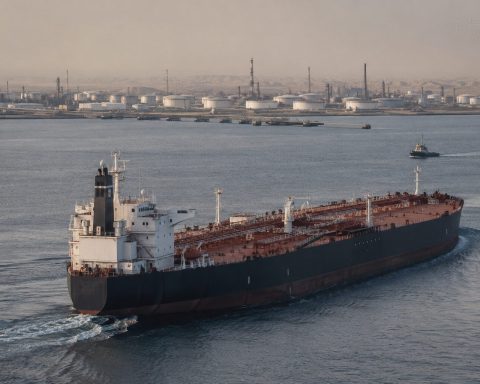
Traders are zeroed in on tanker movements, watching ship counts almost hourly now. Bob Savage, head of markets macro strategy at BNY, says the real signal isn’t coming from Washington or Tehran—he’s looking at the number of vessels making it through Hormuz.
Charu Chanana, chief investment strategist at Saxo, pointed out that this weekend’s flare-up reintroduced the market’s “geopolitical risk premium”—that surcharge investors stomach for conflict threats—just as some had begun to price in a “peace dividend.” In currencies, the dollar climbed to a one-week high. Oil moved higher as well. Reuters
Plenty of movement, not much easing up. Kpler logged more than 20 ships moving through Hormuz on Saturday—the busiest day since March 1. Even so, two merchant vessels reportedly drew gunfire as they crossed. Shipping records show the tanker Odessa made it through and is now bound for South Korea’s HD Hyundai Oilbank.
Diplomacy looked like a long shot. Iranian President Masoud Pezeshkian urged trying every reasonable path to dial back tensions, though he warned that distrust of Washington remains justified. In Beijing, China’s foreign ministry urged all sides to avoid escalation and get transit moving again.
Supply-side mood stayed flat. “Market fundamentals are getting worse,” Sparta Commodities analyst June Goh said, noting that 10 to 11 million barrels per day of crude remain shut in or offline. SEB Research’s Bjarne Schieldrop pointed to cracks in the physical market—longer voyages, higher freight and insurance costs, all eating into flows. Reuters
The rebound appears shaky. Any progress on the diplomatic front or a return to typical shipping flows could erase the gains in a hurry. Brent settled down 9.07% on Friday after Iran said it would permit commercial vessels through the waterway during the ceasefire. Gelber & Associates pointed out that the market was already starting to shed what they called an “extreme risk premium.” Reuters
No relief for producers and refiners—Saudi Arabia, the UAE, Iraq, and Kuwait are holding the line. Export volumes won’t climb until tankers get uninterrupted passage through the strait. As long as that crucial route remains unpredictable, oil markets could keep feeling the pressure.
UPDATE: April 20, 2026, 12:10 CET – Brent crude climbed abruptly into the $95–$96 range, up as much as 6% in just a few hours after the U.S. seized an Iranian vessel and new allegations of ceasefire breaches escalated jitters over supply through the vital Strait of Hormuz. Reuters The market’s moving nearly entirely on geopolitical headlines, Investec’s Sandra Horsfield observed, calling the backdrop “still a very uncertain and volatile situation” as every scrap of news about the shaky truce ricochets through trading desks. Reuters ING flagged that with peace talks stalled, volatility is rippling into broader markets, and big energy price moves could quickly spill over to the wider economy. Reuters On top of this, Iran’s refusal to resume talks and threats of retaliation against U.S. actions are fanning worries about yet more supply shocks—one update pointed out crude “neared $100 again” as shipping route fears mount. The Economic Times And Goldman Sachs analysts are warning: if oil volatility sticks around, central bank tools may do little for emerging markets, especially if the ceasefire unravels and the current rally stretches on. Reuters
Related articles: Energy Markets