
London, May 13, 2026, 11:43 BST
- After three straight days of gains, Brent and WTI slipped, with the move down appearing more like traders cashing in profits than any clear bearish reversal. Supply losses remain the key factor driving the action.
- The IEA’s new report moves the focus: it’s no longer about “how much demand will fall”—now it’s “how long will inventories cover the shortfall.”
- Bulls flag the physical market’s squeeze and note spare capacity around Hormuz is slim. Bears, though, cite signs of demand crumbling, the delayed Fed cuts, and the risk that a diplomatic breakthrough might wipe out the war premium in a hurry.
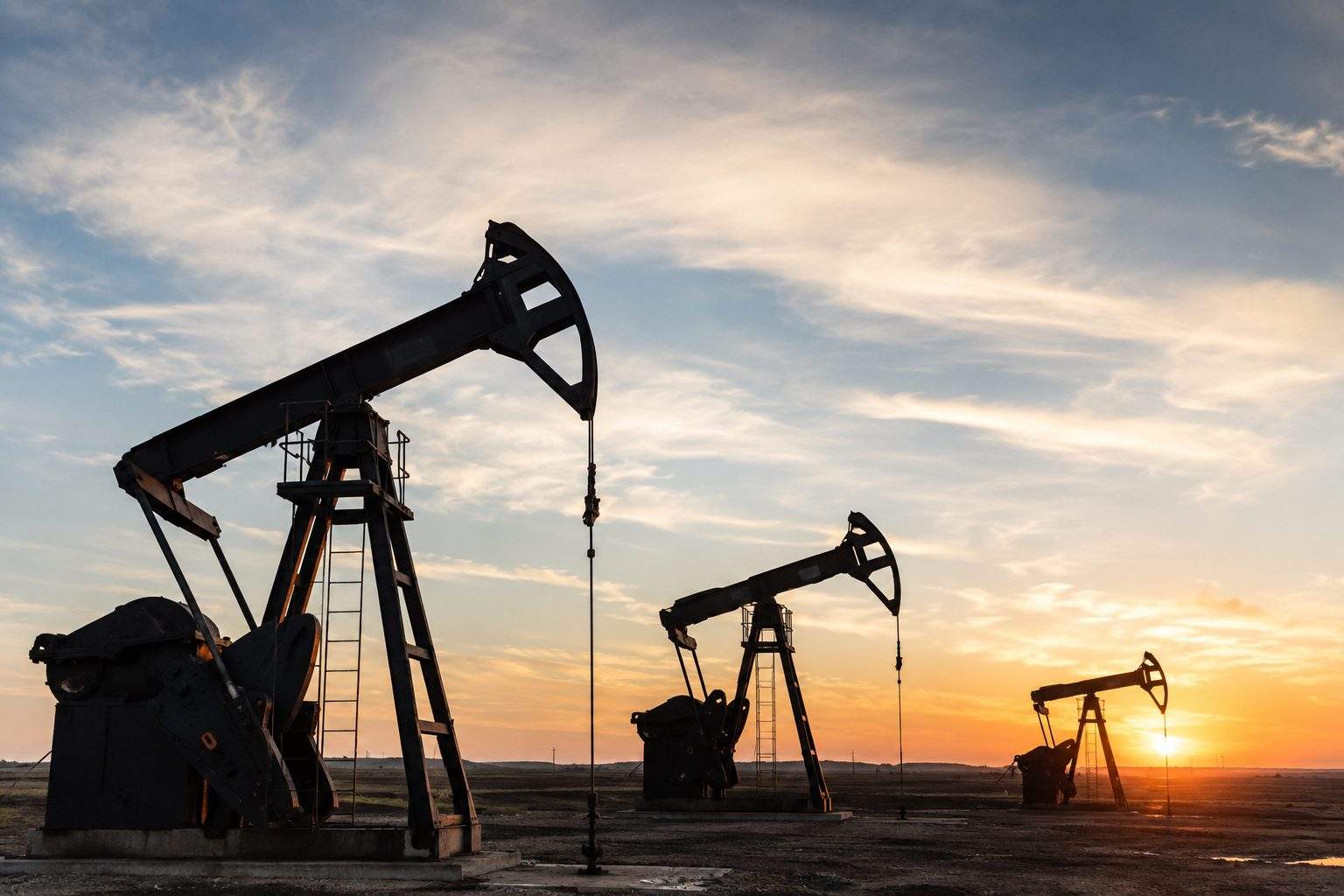
Brent crude edged lower Wednesday, trimming gains from a strong three-day surge as markets tracked two major factors: a shaky ceasefire in the Middle East and the Trump-Xi summit in Beijing later this week. According to Reuters, Brent eased 0.2% to $107.58 per barrel, with WTI slipping 0.4% to $101.79. Both contracts hovered around the $100 mark—a level that’s dominated trading since the Iran war choked off most flows through the Strait of Hormuz.
This shift is notable—supply hasn’t suddenly improved. It’s just a pause. After prices surged over 3% on Tuesday, with optimism around a ceasefire quickly fading, some traders booked profits and stepped back, watching for signs that China might help break the deadlock. The chart shows prices dipped, yet actual supply remains constrained on the ground.
IEA’s latest figures shed light on the muted drop. While the agency is projecting a 420,000 barrel-a-day pullback in global demand this year, production is receding even faster. April alone saw a 1.8 million barrel-a-day slide, knocking global supply down to 95.1 million. Since February, 12.8 million barrels per day have been erased. That’s kept crude buoyant despite the disappointing demand outlook.
The chokepoint remains front and center. Nearly 20 million barrels a day of crude and refined products moved through the Strait of Hormuz in 2025. According to the IEA, only Saudi Arabia and the UAE offer any real workarounds—together, they have somewhere between 3.5 million and 5.5 million barrels a day in alternative crude routes that actually function. No easy workaround exists for the rest; the market’s still stuck with the strait.
The bull argument is still on the table. “Sharp swings are likely to persist,” Phillip Nova’s Priyanka Sachdeva said, and that’s basically the default view right now: a single tanker event, a breakdown in talks, or a military escalation could send Brent higher fast. Reuters
The bear argument still holds weight. Elevated prices are already tamping down demand, doing their own heavy lifting. The EIA has trimmed its outlook for global oil demand growth in 2026 to just 200,000 barrels per day—down sharply from 600,000 in last month’s call. According to the agency, pricier crude should discourage usage. That’s demand destruction: prices climb, and users pull back, find alternatives, scrap trips, or idle output.
Higher rates are setting another ceiling. UBS now sees the Fed holding off on rate cuts until December 2026 and March 2027, pointing to persistent inflation and steady economic growth. According to Reuters, traders are betting on an 87.4% chance the Fed skips a rate cut in September. The rising cost of credit tends to slow demand for fuel. Oil prices, helping stoke inflation, are also getting knocked by the very policy meant to tame them.
Prediction markets aren’t betting on a swift resolution. On Polymarket, traders assign just a 31% probability to Strait of Hormuz traffic normalizing by June’s end—rising to 44% by July 31. Kalshi echoed that with its own market note last week, pinning the odds at 44% for a return to normal before August. Those probabilities line up more closely with the shape of the crude curve than with the mild drop in prices seen that day.
Winners and losers split across the sector. Big upstream names—Exxon Mobil, Chevron, Shell—stand to gain with oil above $100. Refiners and importers? It’s trickier: pricier crude, snags in shipping, tight supplies. SK Innovation, which runs SK Energy (South Korea’s largest refiner), said Wednesday that fixing production and logistics won’t be quick, even if conflict cools. S-Oil, a competitor, still sees solid second-quarter margins; disruptions are keeping things tight despite demand turning softer.
Pressure still sits squarely on Asia. For the first time since March, Japan’s refiners boosted run rates past 70%, drawing on reserves and pulling in barrels from the U.S., the Caspian, Latin America, plus Russian flows not hit by sanctions. Idemitsu Kosan and Cosmo Energy are aiming for utilisation levels above 90%, but by their own estimates, it will take months—definitely not days—before procurement tied to Hormuz returns to normal.
Tehran’s leverage isn’t slipping—if anything, it’s shifting. Reuters said Iraq and Pakistan have inked agreements with Iran to transport oil and LNG out of the Gulf. Claudio Steuer at the Oxford Institute for Energy Studies called the Strait of Hormuz a “controlled corridor” now. On Wednesday, a Chinese supertanker hauling about 2 million barrels of Iraqi crude tried to make its way through—a datapoint that carries plenty of signal. Reuters
The market’s showing weakness—definitely not a safe zone. Bulls flag up inventory draws, Gulf shut-ins, and odds looking slim for a quick Hormuz fix. Bears highlight demand destruction, stubbornly tight central banks, and how a single diplomatic headline could erase $5 or $10 of premium in a blink. Right now, crude isn’t behaving like your average commodity; it’s acting more like a geopolitical option, and there’s barely any slack in the physical market below it.
Related articles: NYSE:CVX