
NEW YORK, April 24, 2026, 17:02 EDT
- The Louisiana plant Plug runs with Olin turned out 448.3 metric tons of liquid hydrogen in Q1.
- Plug is pushing to demonstrate that its hydrogen network can deliver on margins and help rein in cash burn as it rolls out the update.
- PLUG slipped late Friday, with fellow hydrogen names Ballard Power and Bloom Energy also ending in the red.
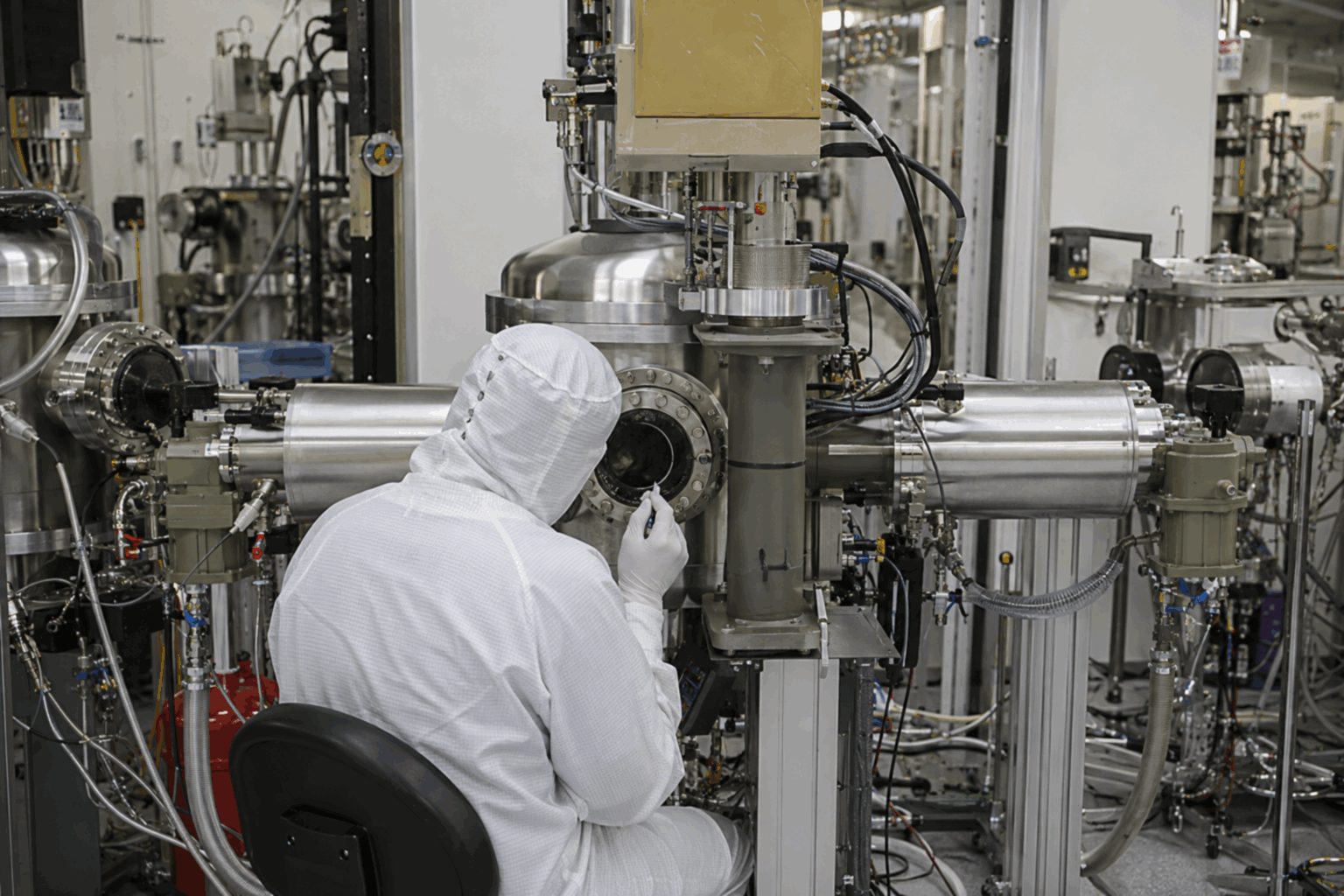
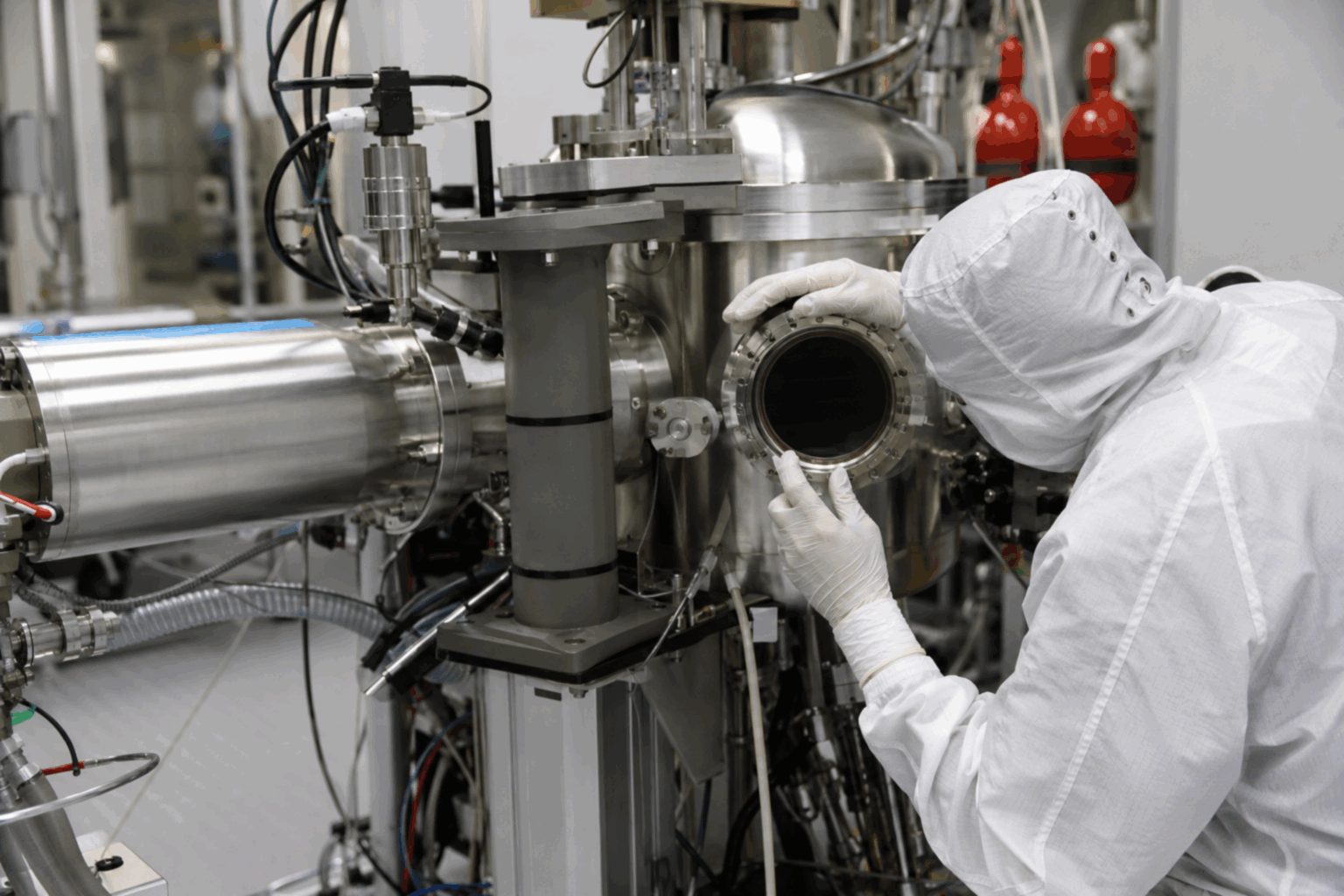
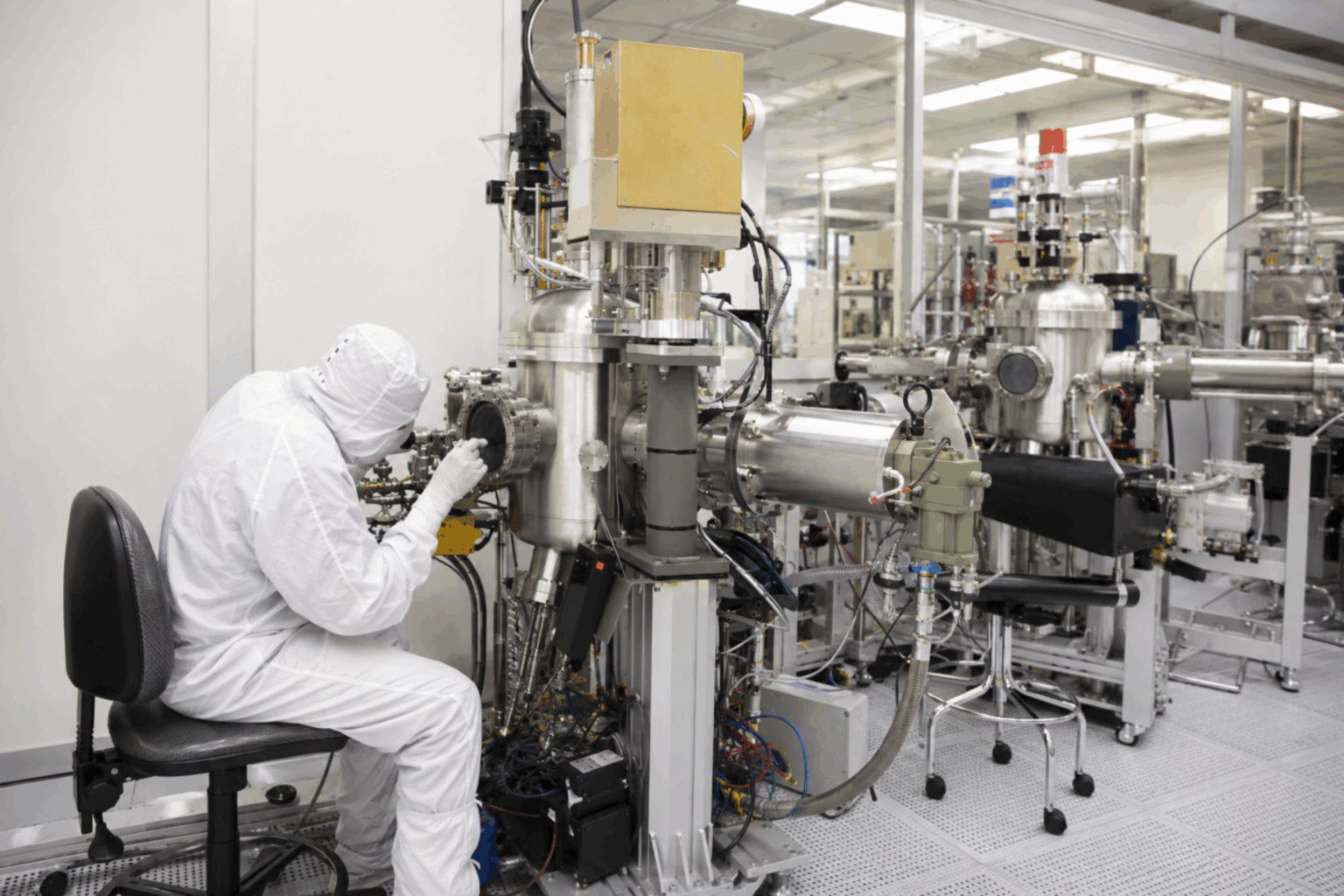
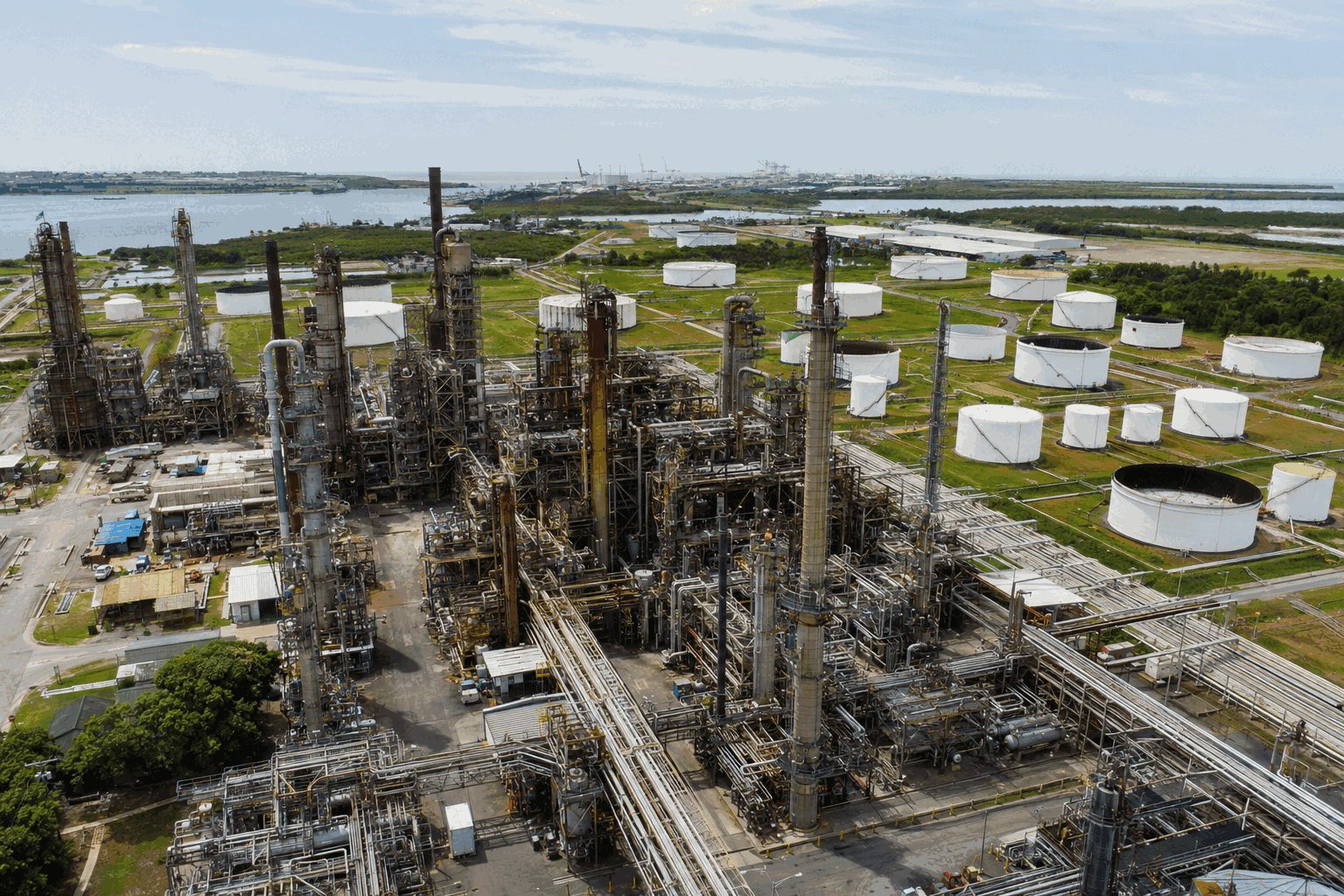
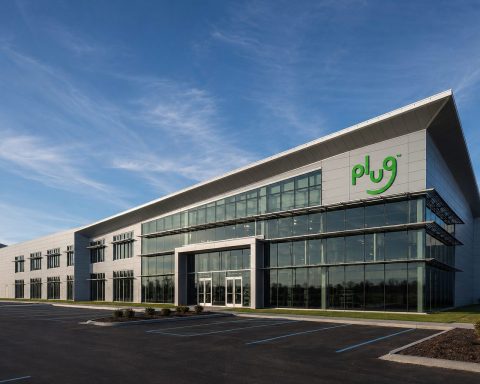
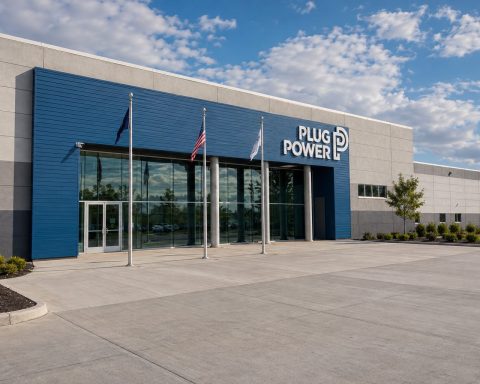
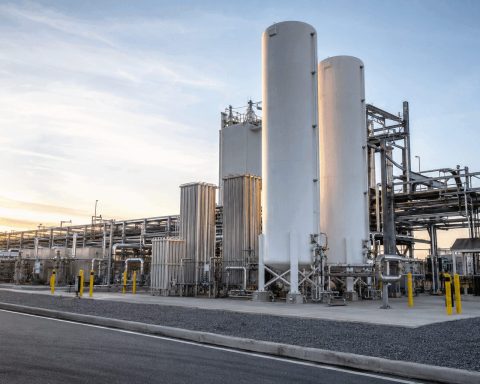
Plug Power Inc.’s hydrogen facility in St. Gabriel, Louisiana—part of its joint venture with Olin—generated 448.3 metric tons of liquid hydrogen in the first quarter, with average availability clocking in at 90%. The company, pushing to demonstrate its network’s scalability, also reported filling 101 trailers during the period, 53 of those in March alone.
Hydrogen supply and plant uptime are now key to Plug’s margins. Following a year of cutting costs, raising prices, and making network upgrades through its Project Quantum Leap program, the company posted a positive gross margin in the fourth quarter — that’s profit after direct production and service expenses.
This isn’t just a minor facility for Plug. The Louisiana plant, pushing out 15 tons daily, lines up with the company’s Woodbine, Georgia, and Charleston, Tennessee sites. That trio brings Plug’s stated liquid hydrogen output in North America to 40 tons a day. “Reliable, high-performing operation,” is how plant manager Samuel Waldschmitt described it. Plug Power
Plug shares slipped roughly 1.3% to $3.14 late Friday, with trading volume topping 76 million. Ballard Power Systems dropped 2.8%. Bloom Energy shed nearly 2.7%. Losses tracked the broader weakness among hydrogen and fuel-cell stocks.
Plug wrapped up 2025 holding $368.5 million in unrestricted cash, after burning through $535.8 million on operations for the year—a drop from $728.6 million spent in 2024. Management points to asset sales and cutting back on capital expenditures as key to covering operations into 2026.
Plug is pushing to keep its electrolyzer business active. Earlier this month, the company announced it landed a front-end engineering and design contract—an initial step before construction—to deliver a 275-megawatt GenEco PEM electrolyzer system for Hy2gen Canada’s Courant project in Quebec. These PEM, or proton exchange membrane, electrolyzers rely on electricity to split water, producing hydrogen and oxygen.
Plug’s CEO Jose Luis Crespo called the award proof the company can handle projects on a major scale. On the other side, Hy2gen chief Cyril Dufau-Sansot pointed to “practical, large-scale decarbonization” in Canada’s mining sector as the key goal. Power for the initiative will come from Hydro-Quebec, backing the production of both low-carbon ammonia and renewable ammonium nitrate. Plug Power
Plug has been using Europe as a test bed. In an April 15 update, the company said it had delivered hydrogen for Germany’s H2CAST salt-cavern storage project, enough to load a pilot system with around 90 metric tons. Crespo called the project proof that the hydrogen value chain “no longer [is] theoretical.” Plug Power
Still, the change out of Louisiana doesn’t take the balance-sheet risk off the table. Plug has flagged that outcomes may shift if it struggles to keep gross margins positive, close asset monetization deals, juggle liquidity, ride out demand swings, or adapt to shifts in policy and funding.
Right now, it’s a more focused picture: a plant that launched commercial operations a year back is turning out more hydrogen, and availability is up—timing matters, since Plug needs every operational uptick to feed cash flow. Eyes will turn next to the first-quarter numbers to see if the income statement reflects this progress.
Related articles: NASDAQ:PLUG




![UK Stock Market Today 24/08/2026 [UPDATE: 09:52 BST] [Rio Tinto and Unilever Limit FTSE Loss as AstraZeneca Slips]](https://ts2.tech/wp-content/uploads/2026/08/UK-market-dashboard-2026-08-24-0952-480x384.jpg "UK Stock Market Today 24/08/2026 [UPDATE: 09:52 BST] [Rio Tinto and Unilever Limit FTSE Loss as AstraZeneca Slips]")